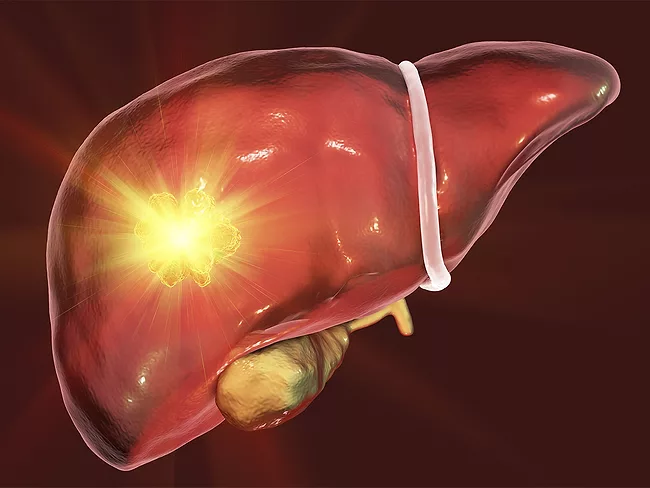
The U.S. FDA declined to approve, for a third time, an investigational liver cancer drug regimen comprising HLB Co. Ltd.’s rivoceranib and Jiangsu Hengrui Pharmaceutical Co. Ltd.’s camrelizumab, reportedly citing issues from a drug manufacturing facility inspection.
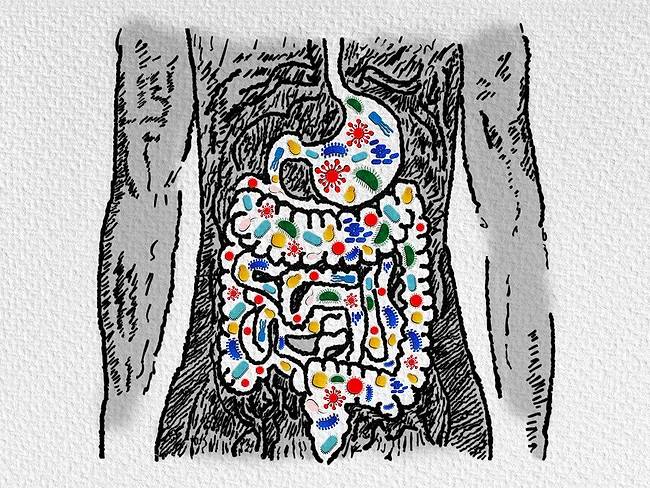
Cancer researchers are increasingly turning to the microbiome to understand why some patients respond well to treatment while others face severe complications. Gut microbial communities shift during intensive therapies such as bone marrow transplantation, and those changes influence infection risk, immune recovery and long‑term survival. New advances in microbial sequencing and engineering redefine this community as a measurable clinical parameter that can be monitored, modeled, and even therapeutically reshaped to improve outcomes in oncology and other conditions.
K2 Medicines (Nanjing) Co. Ltd. has disclosed new epidermal growth factor receptor (EGFR; ERBB1; HER1) mutant inhibitors potentially useful for the treatment of cancer.
Nuvalent Inc. has described RAC-α serine/threonine-protein kinase (AKT1; PKBα) E17K mutant inhibitors reported to be useful for the treatment of cancer.
Prelude Therapeutics Inc. has synthesized proteolysis targeting chimeras (PROTACs) comprising an E3 ubiquitin-protein ligase (CRBN)-binding moiety coupled to a histone acetyltransferase KAT6A (MOZ; MYST-3)-targeting moiety that are potentially useful for the treatment of cancer.
Researchers from Stony Brook University Renaissance School of Medicine recently disclosed the design and development of a novel, multitargeted miRNA approach based on a gemcitabine-modified microRNA (miR)-129 mimic (Gem-miR-129) to overcome resistance to EGFR inhibitors.
Rybodyn Inc. has been awarded $1.3 million from the U.S. Department of War to advance preclinical development of two novel antibody-based therapies for lung cancer.
Urogen Pharma Ltd. has obtained IND approval from the FDA for UGN-501, a next-generation investigational oncolytic virus. A phase I study evaluating intravesical administration of UGN-501 in patients with non-muscle invasive bladder cancer (NMIBC) is expected to begin in the fourth quarter.
While the emergence of immune checkpoint inhibitor (ICI) therapy in recent years has significantly improved cancer outcomes, some patients have been unable to experience the full therapeutic benefits of ICIs due to significant gastrointestinal inflammation linked to treatment. Seres Therapeutics Inc. is looking to change that with its live biotherapeutic candidate, SER-155, offering impressive findings from phase I data in ICI-related enterocolitis, or irEC.
 RSS
RSS