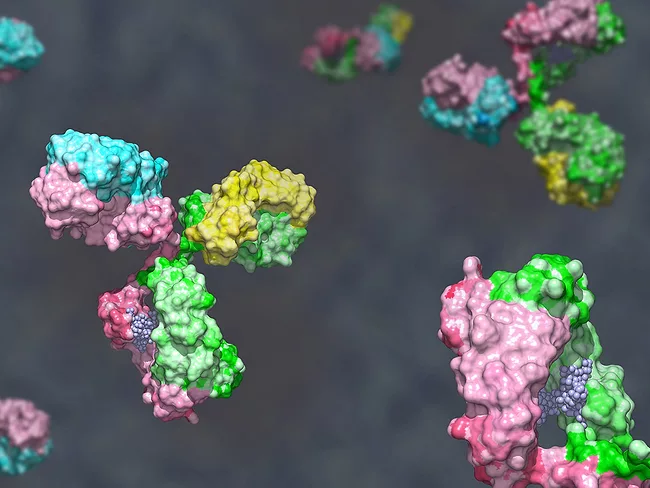
Multiple companies are chasing Akeso Inc. and Summit Therapeutics Inc. in the battle to potentially dethrone Keytruda (pembrolizumab, Merck & Co. Inc.) as the top cancer immunotherapy for patients with non-small-cell lung cancer with bispecific antibodies targeting PD-(L)1 and VEGF.
Xtalpi Inc.’s strategic collaboration with Dovetree Medicines Unus Inc. has made substantial progress, with Xtalpi receiving the second payment under the agreement.
In the treatment of hepatocellular carcinoma (HCC), the long-term benefits of second-line tyrosine kinase inhibitors such as sorafenib are often limited by resistance mechanisms and adverse effects. The deubiquitinase ubiquitin carboxyl-terminal hydrolase L1 (UCH-L1) is upregulated in advanced HCC disease and has been linked to poor prognosis and treatment resistance.
Laverock Therapeutics Ltd. has been awarded two new grants totaling in excess of £2.2 million (US$3 million) to support the next generation of its gene-control platform development, and expansion into additional nononcology therapeutics areas.
Hepatocellular carcinoma (HCC) remains a major cause of cancer death worldwide and, although early-stage disease can sometimes be cured by surgical resection and liver transplantation, advanced cases still respond poorly to current systemic treatments and immunotherapy.
Pfizer Inc. is paying Innovent Biologics Co. Ltd. $650 million up front and up to $9.85 billion in milestones, plus royalties, to collaborate across 12 early stage and de novo antibody-drug conjugates (ADCs) and multispecific antibodies for oncology.
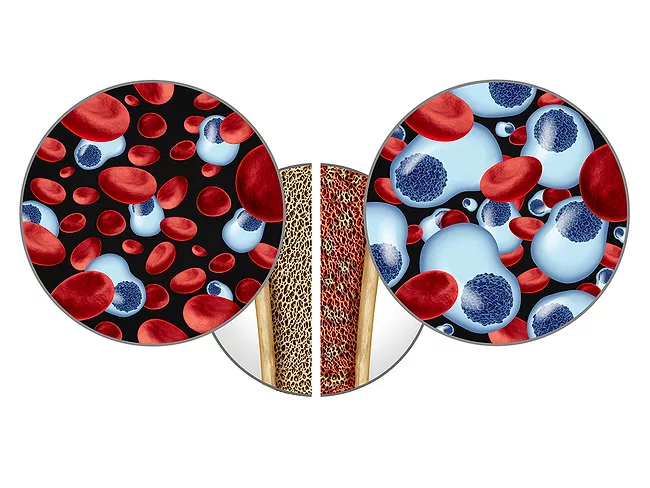
Bristol Myers Squibb Co. disclosed in March 2026 that the phase III portion of the seamless phase II/III Successor-2 study testing mezigdomide in combination with carfilzomib and dexamethasone (MeziKd) in patients with relapsed or refractory multiple myeloma was successful. Nearly three months later, the magnitude of success for its Pomalyst (pomalidomide) successor is clear.
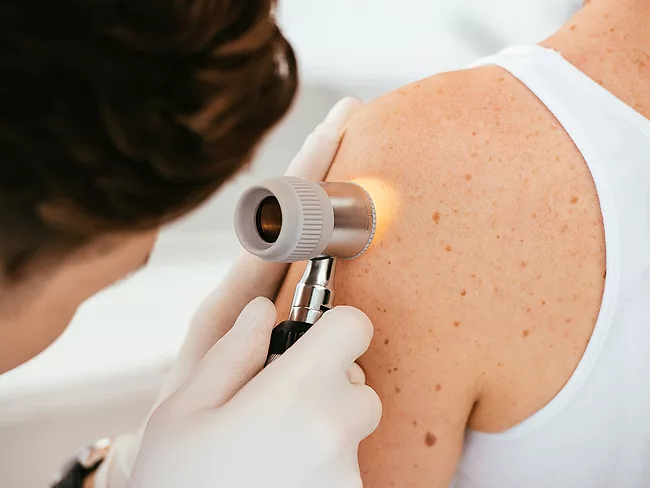
Industry watchers will be tracking closely Replimune Group Inc.’s latest attempt to secure U.S. FDA approval of its advanced melanoma candidate, RP-1 (vusolimogene oderparepvec). The company announced Friday it had reached alignment for resubmitting the twice-rejected BLA with the agency, which it said has pledged to prioritize the review.
 RSS
RSS