Signal transducer and activator of transcription 3 (STAT3) is a central mediator of cytokine and growth factor signaling and is aberrantly activated in approximately 70% of human cancers. Persistent STAT3 signaling drives tumor proliferation, survival, metastasis, angiogenesis, immune evasion and inflammation. Researchers from the University of Michigan reported the discovery and preclinical characterization of SD-965, a selective STAT3 PROTAC degrader.
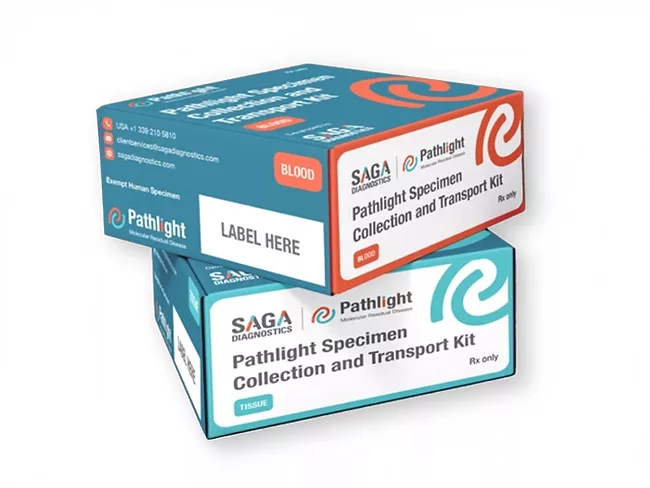
Nearly a year after the first U.S. commercial launch of the multicancer molecular residual disease (MRD) detection platform Pathlight, developer Saga Diagnostics entered a definitive merger agreement under which Roche Holding AG subsidiary Foundation Medicine Inc. will take over the firm in return for up to $595 million in payments.
The U.S. FDA has accepted and granted priority review to Daiichi Sankyo Co. Ltd. and Merck & Co. Inc.’s BLA of ifinatamab deruxtecan, a B7-H3-directed antibody-drug conjugate (ADC) to treat patients with advanced extensive-stage small-cell lung cancer.
Cogent Biosciences Inc. has discovered new tyrosine-protein kinase JAK2 V617F (JH2 domain) inhibitors potentially useful for the treatment of cancer and myeloproliferative diseases.
Accutar Biotechnology Inc. has synthesized new protein-protein interaction targeted chimera (PPI-TAC) compound comprising an E3 ubiquitin ligase-binding moiety covalently bound to a phosphatidylinositol 3-kinase α (PI3Kα)-targeting moiety. They act as PI3Kα H1047R mutant degradation inducers potentially useful for the treatment of cancer.
U.S. researchers have published data regarding IVMT-Rx-4, a melanoma differentiation-associated gene-9 (MDA-9) inhibitor with potential to treat bone-metastatic prostate cancer.
CSPC Pharmaceutical Group Ltd.’s SYS-6051 has gained clinical trial clearance from China’s National Medical Products Administration (NMPA) for advanced solid tumors. SYS-6051 is a human tissue factor-targeted antibody-drug conjugate that binds to tissue factor expressed on the surface of tumor cells.
Mabwell (Shanghai) Bioscience Co. Ltd.’s has announced IND acceptance by China’s National Medical Products Administration (NMPA) for the company’s LILRB4/CD3 T-cell engager bispecific antibody 6MW5311. The drug candidate is being developed for hematologic malignancies, specifically acute myeloid leukemia (AML), chronic myelomonocytic leukemia and multiple myeloma.
BMAL1 expression is tied to important cellular processes, including cell proliferation, migration, cell cycle and DNA damage repairing. There is increasing evidence that it regulates the expression of various oncogenes and tumor-suppressor genes in cancer cells. Researchers hypothesized that modulating BMAL1 expression could be a new therapeutic approach for treating cancer, such as triple-negative breast cancer (TNBC).
RNA epigenetics specialist Storm Therapeutics Ltd. has closed a $56 million series C to fund phase II development of its lead RNA enzyme inhibitor, STC-15, in treating myo- and liposarcomas, and announced that the first patient has been treated in the trial.

 RSS
RSS