Telomir Pharmaceuticals Inc. has submitted an IND application to the U.S. FDA for its lead candidate, Telomir-1 (Telomir-Zn), for the treatment of advanced and metastatic triple-negative breast cancer (TNBC). Telomir-1 is a first-in-class metal-modulating epigenetic agent designed to restore transcriptional control in tumor cells by targeting intracellular iron-zinc homeostasis.
Hematopoietic stem cell (HSC) research over the past century has shown that leukemia may be driven by an invisible hand of inflammation. The bone marrow and inflammation, then, may hold the keys to preventing blood cancers, according to John E. Dick’s plenary session at the 2026 Korean Society of Hematology International Conference (ICKSH 2026), held March 26, 2026. Work in Dick’s lab has found acute myeloid leukemia (AML) HSCs that harbor preleukemic mutations long before any disease diagnosis. These insights have enabled predictive models that could identify individuals at elevated AML risk years before the onset of outright disease, opening the door to new prevention strategies.
The University of Toronto has patented new histone deacetylase 6 (HDAC6) inhibitors designed for use in the treatment of cancer, inflammation, neurodegeneration, infections, renal, neuromuscular, respiratory disorders and cardiometabolic syndrome.
Biofront Ltd. has designed new proteolysis targeting chimeras (PROTACs) comprising an E3 ubiquitin ligase-binding moiety coupled to a mitogen-activated protein kinase kinase kinase kinase 1 (MAP4K1; HPK1; MEKKK1)-targeting moiety as HPK1 degradation inducers. They are described as potentially useful for the treatment of cancer.
Tyligand Bioscience Ltd. has reported new dual-drug antibody-drug conjugates comprising monoclonal antibodies covalently linked to stimulator of interferon genes protein (STING; TMEM173) agonist and a cytotoxic drug.
Aktis Oncology Inc. has obtained IND approvals from the FDA enabling the company to proceed to a phase Ib trial with AKY-2519, a miniprotein radioconjugate targeting B7-H3-expressing tumors, including prostate, lung and other solid tumors. Specifically, the IND clearances relate to [64Cu]Cu-AKY-2519 for imaging and [225Ac]Ac-AKY-2519 for therapeutic use.
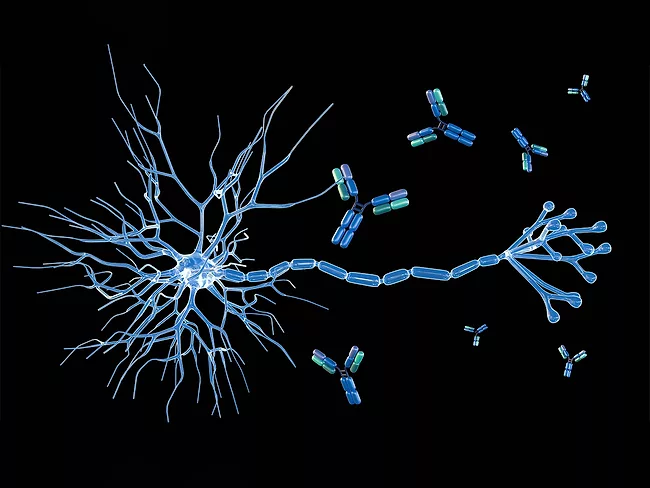
Certain cancers, such as triple-negative breast cancer, produce antibodies that, although they help fight the tumor, can cross the blood-brain barrier and alter the function of NMDA receptors (NMDAR) in the brain, which are essential for neuronal signaling. Scientists at Cold Spring Harbor Laboratory (CSHL) have identified their origin and described how this process is linked to the maturation of these antibodies, which can activate or inhibit the receptor, causing neurological and psychiatric symptoms.
Introduced last year as a pilot program, the U.S. FDA Commissioner’s National Priority Voucher (CNPV) could be here to stay – at least for the duration of Marty Makary’s tenure as FDA commissioner. Since the FDA unveiled the CNPV last June, it has welcomed 18 products from 16 companies into the “game-changer” program for patients, as Makary described it. The goal is to provide an “ultrafast review pathway,” one to two months instead of the standard 10 to 12 months, for drugs and biologics of strategic national importance while maintaining the FDA’s scientific and regulatory standards, according to the agency.
Nanjing Sanhome Pharmaceutical Co. Ltd. has synthesized new Werner syndrome ATP-dependent helicase (WRN; RECQ3; RECQL2) inhibitors potentially useful for the treatment of cancer.
 RSS
RSS