In San Francisco, the first day of Transcatheter Cardiovascular Therapeutics 2025 annual meeting offered presentations on the future of the convergence of devices, drugs and AI. The takeaway from the session seems to be that while the future is bright, it will become the present only when payers can find an economic argument to pay for the advances formed by this convergence.
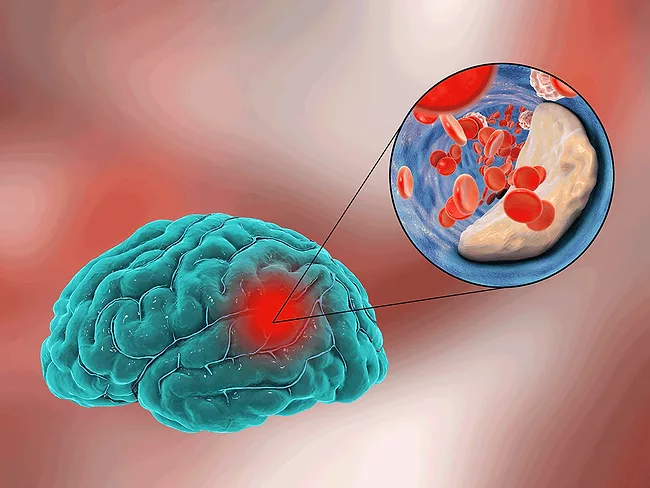
Although Argenica Therapeutics Ltd.’s stroke drug, ARG-007, saw mixed results in top-line phase II data, new data in functional outcomes studies showed signs the drug helped patients think more clearly, regain independence, and enjoy a better quality of life after stroke.
Intellia Therapeutics Inc. followed up troubling news in May with a similar, and worse, update regarding the Magnitude and Magnitude-2 phase III trials with nexiguran ziclumeran, also known as nex-z, for patients with transthyretin amyloidosis with cardiomyopathy and polyneuropathy, respectively.
The $12.5 billion acquisition of Avidity Biosciences Inc. by Novartis AG strengthens the company’s neuroscience pipeline and marks the second biggest deal that’s been announced this year. It also is the fifth M&A deal in the past five weeks to top the $1 billion mark, a sign that the market may be strengthening.
Adocia SA is looking to further apply its Biochaperone formulation technology to metabolic disorders, Olivier Soula, Adocia co-founder and CEO told BioWorld, the firmhaving recently gained positive top-line phase III results of Tonghua Dongbao Pharmaceutical Co. Ltd.’s THDB-0206 injection (Biochaperone Lispro) in diabetes patients in China.
With the number of beats Boston Science Corp. has posted in recent years, it could be auditioning as a heavy metal drummer. Third quarter results kept up the streak, with overall sales 2% ahead of consensus at $5.07 billion and earnings per share of 75 cents, 5% above the Street’s expectations. The company’s two market-transforming products, Watchman and Farapulse, led the strong across-the-board performance, which would be no surprise by now except when looking at the stunning growth rates and sales both posted in the same quarter last year.
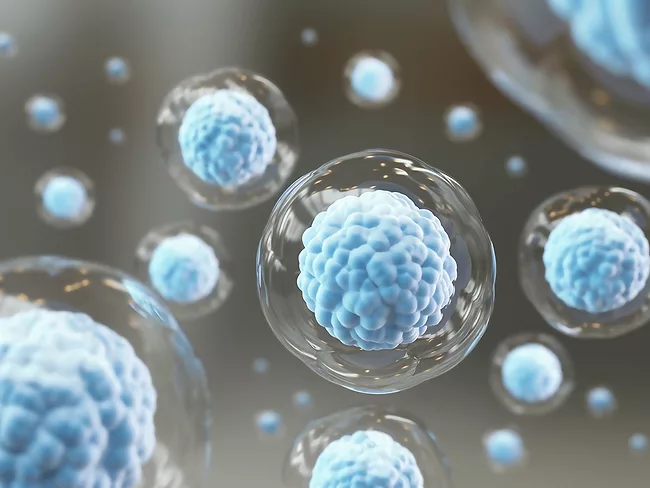
Stem cells are a promising therapeutic modality to fight aging and age-related disease, speakers at the Bio-Plus Interphex Korea 2025 said. Progress in cell-based longevity medicine is being made, they added, although safety, ethical and regulatory issues are ongoing challenges.
Ventyx Biosciences Inc. rolled out positive results from the phase II study with oral, once-daily VTX-3232 in patients with obesity and cardiovascular (CV) risk factors.
Myocardial ischemia-reperfusion (MI/R) injury is a major contributor to heart failure. The long noncoding RNA (lncRNA) myocardial infarction-associated transcript (MIAT) has been shown to worsen cardiac damage during ischemia, making it a promising target for RNA interference.
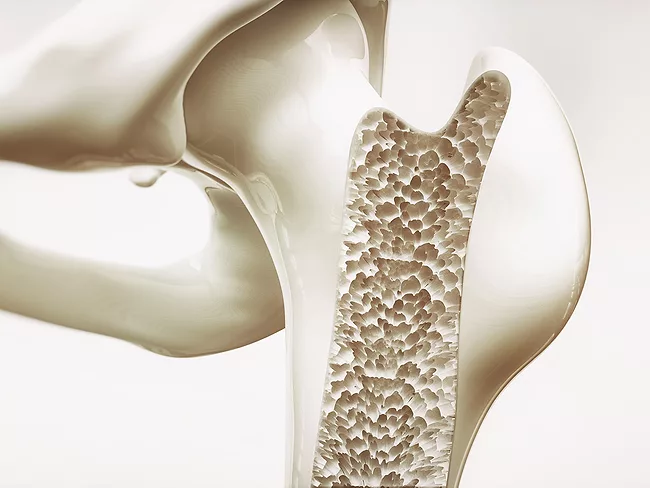
Vertebral compression fractures are one of the more obvious signs of osteoporosis but can be difficult to diagnose, one of several reasons the U.K. National Institute for Health and Care Excellence has given the nod to five AI products that can improve rapid detection of these fractures.
 RSS
RSS