Shanghai Yao Yuan Biotechnology Ltd., also known as Drug Farm, is advancing a portfolio of immune-modulating therapies for various indications including hepatitis B virus, hepatocellular cancer and a relatively new rare genetic disease called ROSAH, an acronym for retinal dystrophy, optic nerve edema, splenomegaly, anhidrosis, and headache.
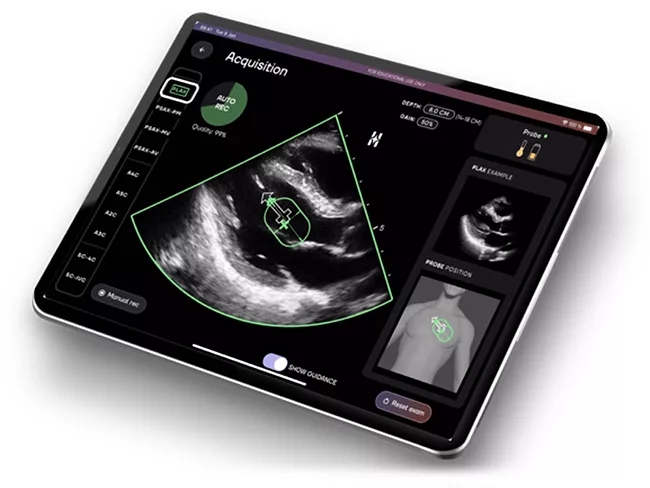
Deski SAS raised $6 million in a seed round to support the launch of its cardiac imaging software, Heartfocus, in the U.S. The AI-driven heart exam tool helps health care professionals perform echocardiograms from any ultrasound probe to enable the early detection of heart disease.
Shanghai Yao Yuan Biotechnology Ltd., also known as Drug Farm, is advancing a portfolio of immune-modulating therapies for various indications including hepatitis B virus, hepatocellular cancer and a relatively new rare genetic disease called ROSAH, an acronym for retinal dystrophy, optic nerve edema, splenomegaly, anhidrosis, and headache.
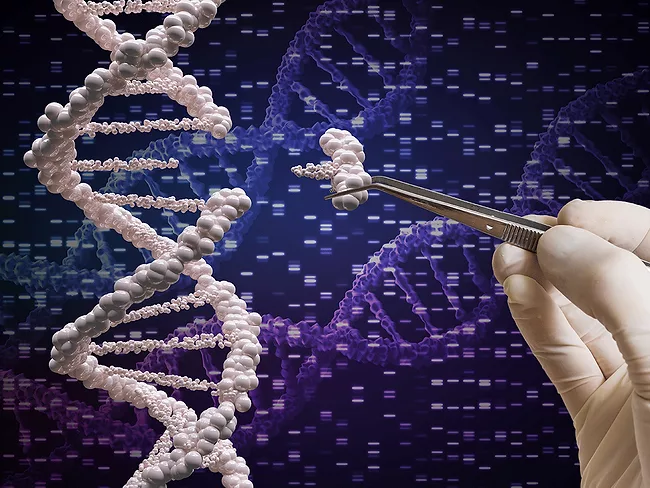
Researchers from the Universitat de Barcelona and Oregon Health & Science University have developed a novel gene silencing technique using polypurine reverse Hoogsteen hairpins (PPRH) to target and inhibit the expression of PCSK9.
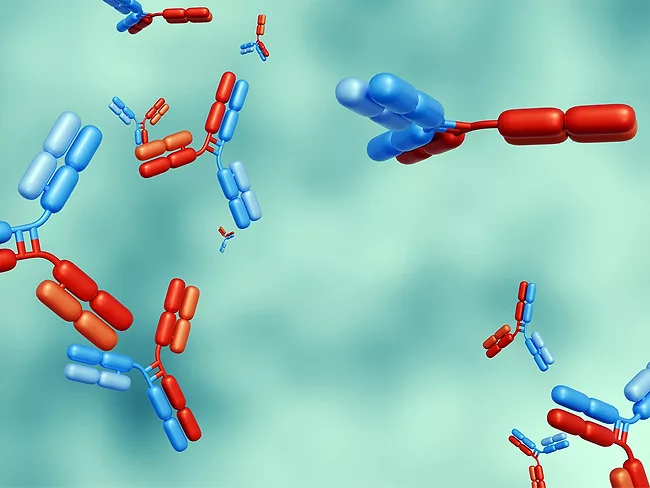
Diagonal Therapeutics Inc.’s DIAG-723 has been awarded orphan drug designation by the FDA for the treatment of hereditary hemorrhagic telangiectasia (HHT). Additionally, the EMA has provided a positive opinion for orphan drug designation, confirming that DIAG-723 meets the criteria for designation as an orphan drug in the E.U.
Chinese researchers are preparing the details for the publication of another scientific milestone, the creation of a chimera with a human heart and a kidney developed from human stem cells in pig embryos.
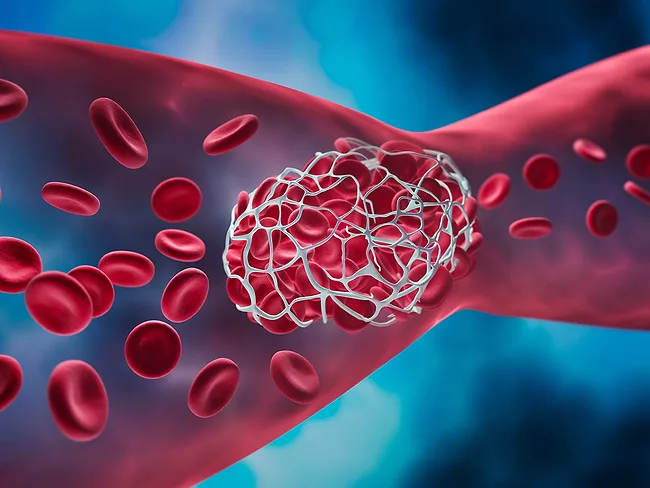
Two med-tech companies focused on pulmonary embolism overcame their own blockages to commercialization this week. Inquis Medical Inc.’s Aventus thrombectomy system received U.S. FDA clearance for use in pulmonary embolism, an expanded indication, while Penumbra Inc. completed enrollment in the STORM-PE clinical trial of its Lightning Flash device.
CSPC Pharmaceutical Group Ltd. announced June 13 that it struck a potential $5.33 billion deal with Astrazeneca plc to develop novel preclinical small-molecule candidates using CSPC’s AI-driven drug development platform.
Four biotech companies from South Korea announced new or planned financings mid-June, including GC Genome Corp. Rznomics Inc., G2Gbio Inc. and Mezzion Pharma Co. Ltd. Six major mid-June deals included R&D pacts between Y-Biologics Inc. and Crosspoint Therapeutics, Daewoong Pharmaceutical Co. Ltd. and Salipro Biotech AB, Next & Bio Inc. and GC Cell Corp., Galux Inc. and Hanall Biopharma Co. Ltd., Celltrion Inc. and Onconic Therapeutics Inc., and SK Plasma Co. Ltd. and Aimedbio Inc.
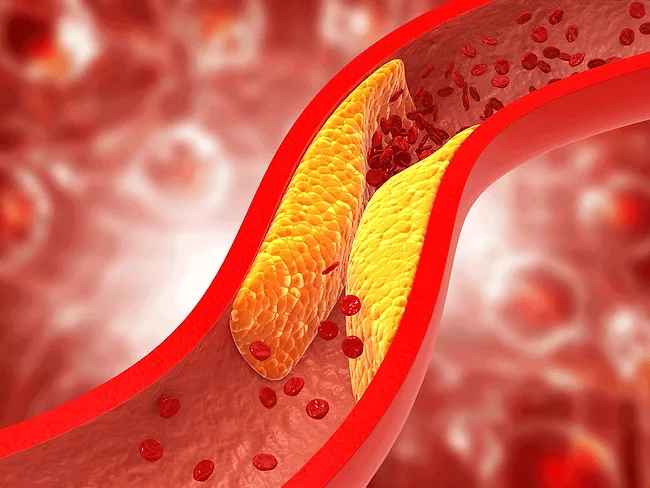
With plenty of GLP-1 money to spend, Eli Lilly and Co. is buying Verve Therapeutics Inc. and its gene-editing program for about $1.3 billion. Two of Verve’s one-time treatments are in the clinic. Lead candidate VERVE-102, a gene-editing treatment targeting PCSK9, is in a phase Ib study to reduce cholesterol levels.

 RSS
RSS