Cryofocus Medtech (Shanghai) Co. Ltd. received U.S. FDA breakthrough device designation on July 24 for its cryoablation system for asthma. The Chinese med-tech’s stock (HKEX:6922) rose near 20% over two consecutive days on the Hong Kong Stock Exchange with the news, increasing from HK$5.00 ($.64) July 23 to HK$5.98 nearing the close of trading on July 25.
Apnimed Inc.’s lead oral therapy for obstructive sleep apnea has delivered a second round of positive phase III data, bringing a potential U.S. FDA filing closer. Top-line results taken from the second pivotal late-stage study show AD-109 (aroxybutynin 2.5mg/atomoxetine 75 mg) hit its primary endpoint with clinically meaningful and statistically significant drops in airway obstruction at 26 weeks.
Foresight Therapeutics (Hefei) Co. Ltd. has prepared and tested new cardiac myosin inhibitors reported to be useful for the treatment of hypertrophic cardiomyopathy.
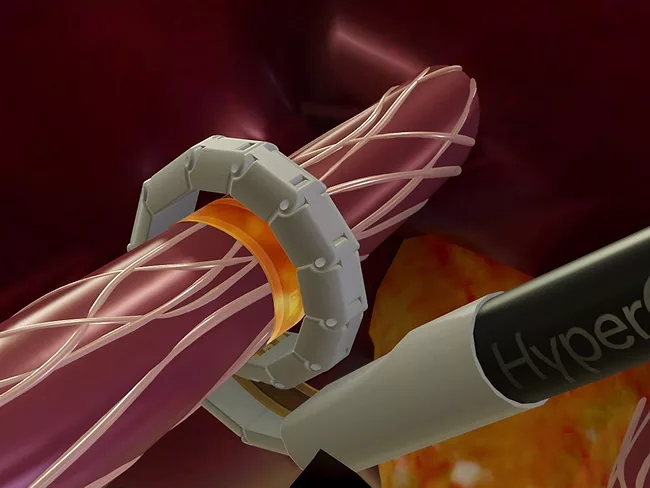
Deepqure Inc. gained clinical trial clearance from South Korea’s Ministry of Food and Drug Safety to test its Hyperqure renal denervation system for the treatment of atrial fibrillation.
The U.S. FDA expanded the approval for use of Boston Scientific Corp.’s Watchman Flx and Watchman Flx Pro left atrial appendage closure (LAAC) devices to include post-ablation patients, bringing good news to the company as it preps for its second quarter earnings report on July 23.
Heartflow Inc. continued the steady rhythm of med-tech companies filing to go public, with an S-1 submitted to the U.S. SEC on July 17. The company joins 15 others that have completed IPOs in 2025 and one other in process – Carlsmed Inc., which a company spokesperson told BioWorld is expected to begin trading on the Nasdaq on July 22.
After expanding development of DM-199 (rinvecalinase alfa) into preeclampsia last year, Diamedica Inc. rolled out early phase II results showing the recombinant form of human tissue kallikrein-1 reduced the mother’s blood pressure, did not cross the placental barrier, and potentially improves blood flow to the fetus.
Researchers have identified bi-allelic variants in the POPDC2 gene as the cause of a rare inherited cardiac syndrome characterized by sinus node dysfunction, atrioventricular (AV) conduction defects and hypertrophic cardiomyopathy.
Abbott Laboratories’ second quarter results echoed Johnson & Johnson’s, with med tech performing the hero’s work with strong growth. Overall, Abbott slightly beat expectations with sales up 6.9% overall compared to 2Q 2024, largely boosted by the med-tech unit’s organic revenue increase of 12.2%, and worldwide sales for the quarter of $11.1 billion. Diabetes provided a particularly bright spot with 19.5% year-over-year growth for continuous glucose monitoring devices.
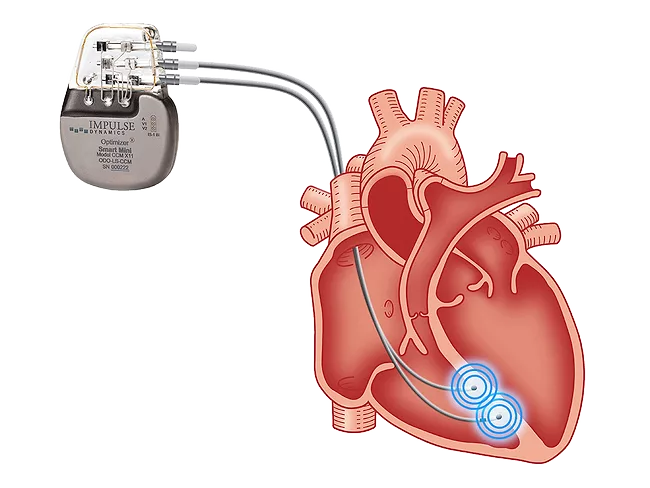
The U.S. Centers for Medicare & Medicaid Services (CMS) has issued a draft coverage memo for cardiac contractility modulation (CCM), which offers coverage with evidence development for the company’s Optimizer line of devices. CMS said it will issue the final coverage memo by Oct. 8, 2025, which will mark the achievement of an objective the company set for itself more than two decades ago.
 RSS
RSS