Lunit Inc. reported a new collaboration with Microsoft Corp. July 2 to jointly develop medical AI programs accessible on Microsoft’s Azure cloud platform.
The final Medicare coverage memo for transcatheter edge-to-edge repair for tricuspid valve regurgitation largely replicates the April 2025 draft, but cardiology centers will not have to bring an electrophysiologist to the patient’s care team to be permitted to practice these devices.
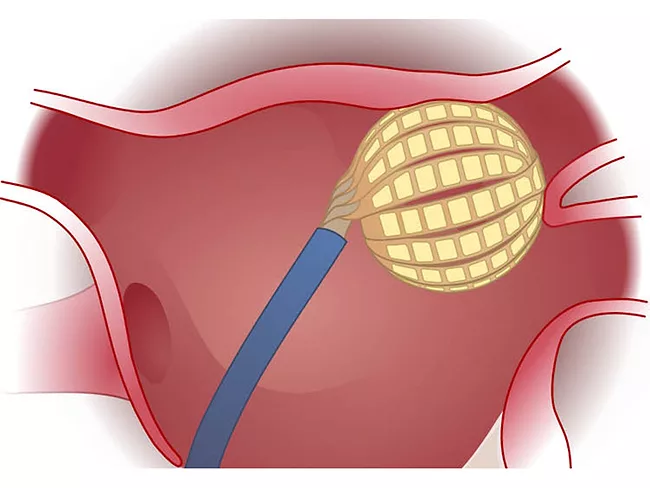
Kardium Inc. raised C$340 million (US$250 million) in an oversubscribed financing round to support commercialization of its Globe pulsed field ablation system for atrial fibrillation. Notably, the financing included an equity investment by an unnamed leading strategic investor. Kardium could receive U.S. FDA approval as early as this quarter and plans to launch Globe in the U.S. this year.
Medtronic plc received a CE mark for its Vitalflow extracorporeal membrane oxygenation (ECMO) system, which provides temporary support for the heart and lungs in critically ill patients in intensive care units (ICU). The company said the Vitalflow ECMO system represents a ‘new paradigm’ in ECMO therapy as it is designed to simplify ICU operations and brings performance, ease of use and adaptability to the forefront of patient care.
Researchers at Semmelweis University and University of Szeged have disclosed aminoalkylated benzoxy compounds acting as potassium channel blockers reported to be useful for the treatment of atrial fibrillation and ventricular arrhythmia.
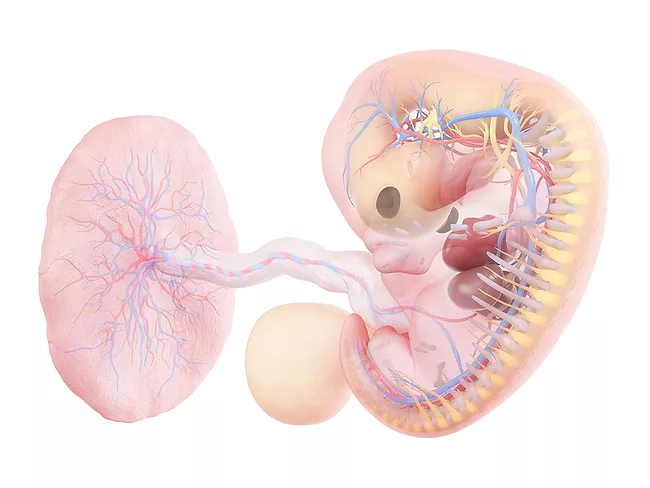
A healthy life for a healthy heart is a popular saying. However, even when following good habits, heart health can be already compromised from the very earliest stages of development. Maternal cells reach the embryo through the placenta contributing to its normal formation. So, just as the mother helps form a functional heart, she can also induce a condition that may not appear until adulthood.
Aortic valve repair and replacement continue to grab attention appropriate for the number of people affected, but the heart’s other three valves are finally gaining some respect as med-tech companies and analysts recognize the size of the potential total addressable market.
Torrent Pharmaceutical Ltd. will buy J. B. Chemicals and Pharmaceuticals Ltd. (JB Pharma) from private equity firm KKR & Co. Inc. at an equity valuation of ₹256.89 billion (US$3 billion), which will then merge into one entity under Torrent Pharma.
Innovent Biologics Inc. announced June 27 that it gained National Medical Products Administration’s (NMPA) approval of mazdutide as a new weight loss therapy for obese or overweight patients in China. Mazdutide is a dual glucagon/glucagon-like peptide-1 (GCG/GLP-1) receptor agonist originally discovered by Eli Lilly and Co., of Indianapolis.
Innovent Biologics Inc. announced June 27 that it gained National Medical Products Administration’s (NMPA) approval of mazdutide as a new weight loss therapy for obese or overweight patients in China. Mazdutide is a dual glucagon/glucagon-like peptide-1 (GCG/GLP-1) receptor agonist originally discovered by Eli Lilly and Co., of Indianapolis.
 RSS
RSS