Ultromics Ltd. raised $55 million in a series C financing round to expand its commercial footprint across the U.S. and invest in the development of new AI modules for earlier, more accurate detection of cardiovascular disease, Ross Upton, CEO and founder of Ultromics told BioWorld.
Soligenix Inc.’s phase IIa study of SGX-945 (dusquetide) for treating oral ulcers in those with Behçet's disease showed biological efficacy in the proof-of-concept study. The positive results propelled the company’s stock (NASDAQ:SNGX) a hefty 134% higher on July 31, with shares closing at $2.93 each.
The U.S. Court of Appeals for the Federal Circuit recently returned a decision in a case pitting Shockwave Medical Inc. against Cardiovascular Systems Inc. in a decision that adds a new wrinkle to the question of how prior art can and cannot be used to eviscerate a patent.
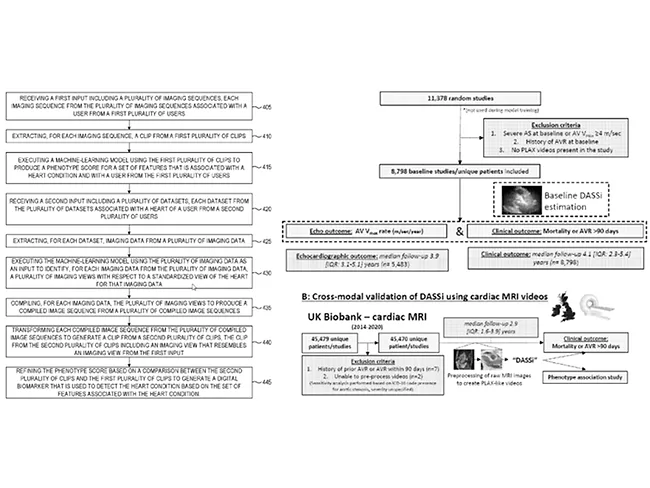
Researchers from the Yale University filed for protection of a multi-modal approach to predict the progression risk of a heart condition using artificial intelligence algorithms applied to cardiovascular videos.
At the 2025 Alzheimer’s Association International Conference (AAIC), one of the bigger splashes was made by a cardiovascular drug. In a presentation on July 30, Newamsterdam Pharma Co. NV presented data showing that its cholesterol drug obicetrapib lowered levels of the Alzheimer’s Disease biomarker p-tau217.
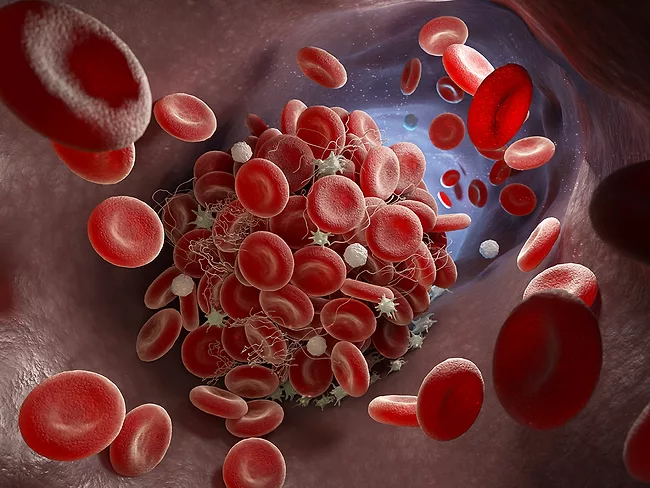
Endoplasmic reticulum oxidoreductase 1 (ERO1) has traditionally been associated with proper protein folding in the endoplasmic reticulum, but it has recently been linked to platelet activation and aggregation in arterial thrombosis and ischemic stroke.
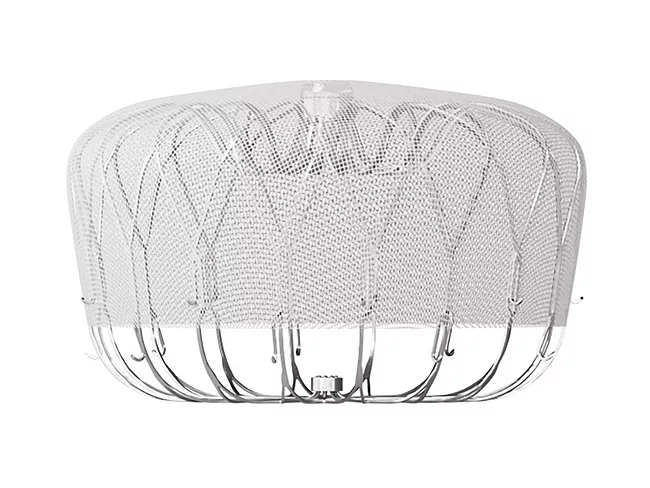
The ink is barely dry on the draft Medicare physician fee schedule for 2026, but three cardiology societies blasted the draft for cutting rates for left atrial appendage closure procedures – a move they said needlessly endangers patients.
With reduced sales and operating expectations for the rest of the year, Novo Nordisk A/S is on the receiving end of a huge stock drop. For a big pharma, where the stock drops are usually more modest, the shares (NASDAQ:NVO) fell off a cliff on July 29, closing 21.8% downward to $53.93 each, the lowest price per share in the past 12 months. Lower U.S. sales of semaglutide blockbusters Wegovy and Ozempic for treating obesity and diabetes are at the heart of the plunge. In May, the Danish company had expected 13% to 21% sales growth but now is looking at only 8% to 14%.
Thoracic aortic dissection can progress to a highly lethal cardiac emergency, but it cannot usually be detected in early stages, so suitable biomarkers of progression are needed. Levels of C-reactive protein in serum rise during progression, but they also rise in infectious or autoimmune conditions, making the biomarker nonspecific.
 RSS
RSS