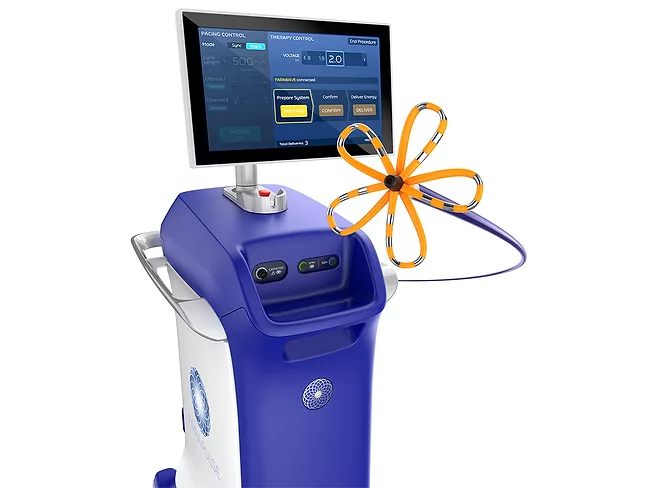
Boston Scientific Corp.’s Farapulse pulsed field ablation system racked up more than $1 billion in revenue in its first year; its Watchman left atrial appendage occluder holds more than 90% of the market. How does the company choose and position its products for such astonishing success?
Med-tech veterans advised companies looking to launch new products in fields with dominant players to mind their 'Ps and Qs,' but not the ones your mother drilled in childhood. Rather than good manners, they urged competitors attending Device Talks Minnesota to ensure they had the right people, product, proof, pace and quality control.
Fineheart SA will soon begin a first-in-human study of Flowmaker, its fully implantable left ventricular assist device, in France, after receiving authorization from the French National Agency for the Safety of Medicines and Health Products to initiate the trial.
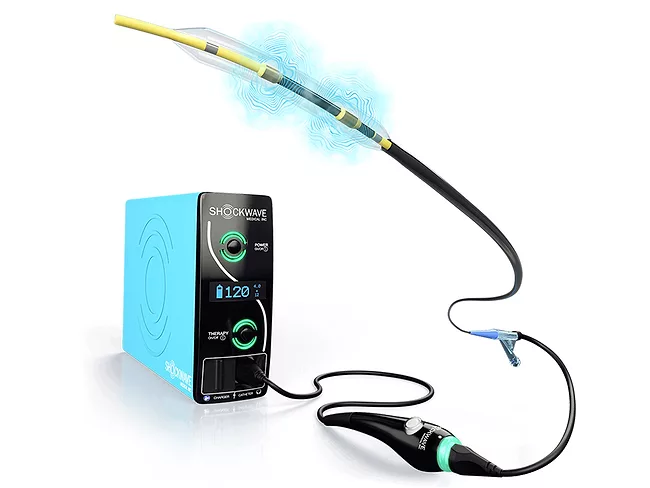
What does it take to create space in a market dominated by a single player? Three challengers to Johnson & Johnson's Shockwave shared their strategies for gaining traction in intravascular lithotripsy (IVL) at the Device Talks meeting June 11 in Minneapolis.
Deep Apple Therapeutics Inc. could bring in as much as $812 million in a new collaboration and license deal with Novo Nordisk A/S. The total includes an unspecified up-front payment, research costs and milestones. The two plan to develop and commercialize oral small molecules for non-incretin G-protein coupled receptor targets for treating cardiometabolic diseases, including obesity, a core specialty for Novo Nordisk.
Monte Rosa Therapeutics Inc. has gained IND clearance from the FDA for MRT-8102, a NEK7-directed molecular glue degrader being developed to treat inflammatory conditions linked to NLRP3, IL-1β and IL-6 dysregulation.
Insmed Inc.’s chair and CEO, Will Lewis, called the phase IIb trial of TPIP in pulmonary arterial hypertension a “clear and unequivocal success,” with analysts and investors wholeheartedly agreeing, as the company’s shares surged 28.7% June 10.
In two phase III studies, Merck & Co. Inc.’s oral, once monthly proprotein convertase subtilisin/kexin type 9 (PCSK9) inhibitor produced statistically significant and clinically meaningful cuts in low-density lipoprotein cholesterol levels. The PCSK9 inhibitor is looking to fit into a crowded market that already has well-established therapies from other big pharmas and a potential competitor in development to treat another indication.
Aiatella Oy secured €2 million (US$2.28 million) in funding for its AI-powered cardiovascular imaging technology. The funds will be used to conduct clinical trials and develop the company’s ultrasound-based preventative screening tool, which detects and quantifies carotid artery narrowing in minutes.
 RSS
RSS