The valosin-containing protein (VCP) modulator KUS-121 from Kyoto University is in phase II development as an intravitreal treatment for nonarteritic central retinal artery occlusion, but its efficacy in atherosclerosis is unknown.
Repolarization abbreviation with the antiarrhythmic drug mexiletine has been found to normalize the QTc interval and reduce the rate of events in long QT syndrome type 3 (LQT3), but it is only partially efficacious in other malignant forms, including LQT2 and LQT8. There are compounds that have not been tested, such as hERG channel agonists, which are capable of shortening repolarization. The potent hERG agonist ICA-105574 was thus tested in a clinically relevant porcine model of LQT8.
At the recent European Society of Cardiology meeting, Anacardio AB and Helsinn Healthcare SA presented data on their oral small-molecule ghrelin receptor agonist and first-in-class calcium sensitizing inotrope, AC-01, in preclinical models of heart failure.
Keros Therapeutics Inc. has presented preclinical data on the activin receptor type IIB ligand trap RKER-012 (a research version of KER-012 [cibotercept]) in a preclinical pulmonary arterial hypertension model.
Potential implications for others in the space, including Pfizer Inc. and Bridgebio Pharma Inc., became the subject of buzz after Alnylam Pharmaceuticals Inc. provided details from the Helios-B phase III study with RNAi candidate vutrisiran, in the works for ATTR amyloidosis with cardiomyopathy.
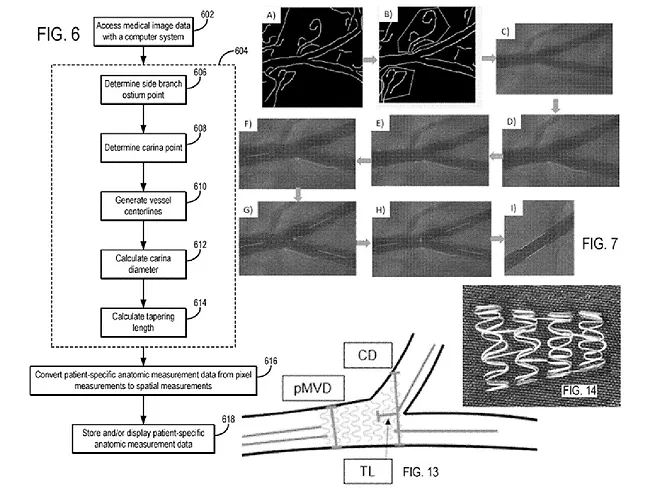
Researchers from the University of Arkansas have filed for protection of their development of systems and methods to aid angioplasty procedures in coronary artery bifurcations, where a major artery splits into smaller blood vessels.
Recent patents from Opna Bio AG detail new transcriptional coactivator YAP1/transcriptional enhancer factor (TEAD) interaction inhibitors reported to be useful for the treatment of arrhythmogenic right ventricular cardiomyopathy, cancer, Holt-Oram syndrome, neurofibromatosis type 2, polycystic kidney and Alzheimer’s disease.
Yoltech Therapeutics Co. Ltd. licensed its PCSK9-targeting gene editing therapeutic, YOLT-101, to Shenzhen Salubris Pharmaceuticals Co. Ltd. for mainland China rights in a deal worth ¥1.035 billion (US$145 million).
Pulmonary arterial hypertension (PAH) is a progressive disorder where high pulmonary artery pressure and vascular resistance lead to progressive dyspnea, and right ventricular hypertrophy (RVH).
Yunovia Co. Ltd. gained clearance in South Korea to start a multiple ascending dose phase I study for ID-110521156 – a novel, orally available, small-molecule, glucagon-like peptide-1 (GLP-1) agonist.

 RSS
RSS