Keros Therapeutics Inc. has presented preclinical data on the activin receptor type IIB ligand trap RKER-012 (a research version of KER-012 [cibotercept]) in a preclinical pulmonary arterial hypertension model.
Potential implications for others in the space, including Pfizer Inc. and Bridgebio Pharma Inc., became the subject of buzz after Alnylam Pharmaceuticals Inc. provided details from the Helios-B phase III study with RNAi candidate vutrisiran, in the works for ATTR amyloidosis with cardiomyopathy.
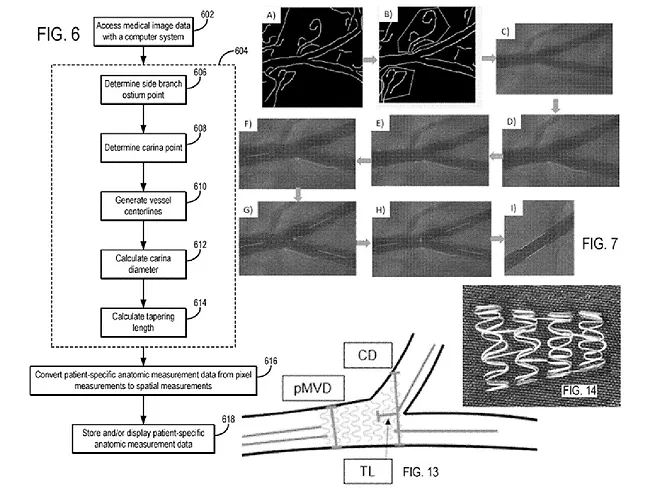
Researchers from the University of Arkansas have filed for protection of their development of systems and methods to aid angioplasty procedures in coronary artery bifurcations, where a major artery splits into smaller blood vessels.
Recent patents from Opna Bio AG detail new transcriptional coactivator YAP1/transcriptional enhancer factor (TEAD) interaction inhibitors reported to be useful for the treatment of arrhythmogenic right ventricular cardiomyopathy, cancer, Holt-Oram syndrome, neurofibromatosis type 2, polycystic kidney and Alzheimer’s disease.
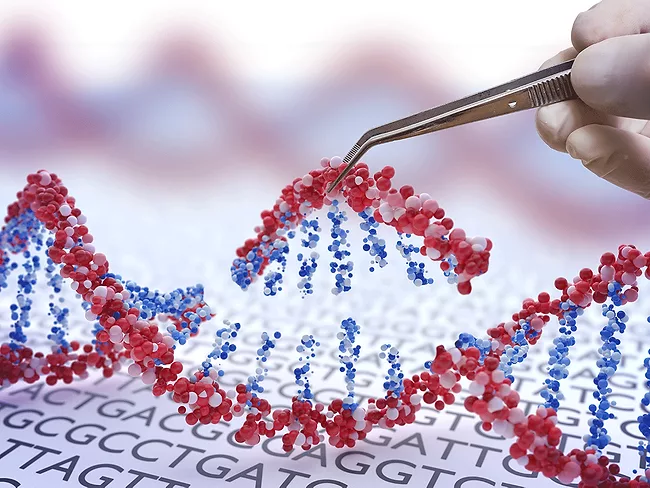
Yoltech Therapeutics Co. Ltd. licensed its PCSK9-targeting gene editing therapeutic, YOLT-101, to Shenzhen Salubris Pharmaceuticals Co. Ltd. for mainland China rights in a deal worth ¥1.035 billion (US$145 million).
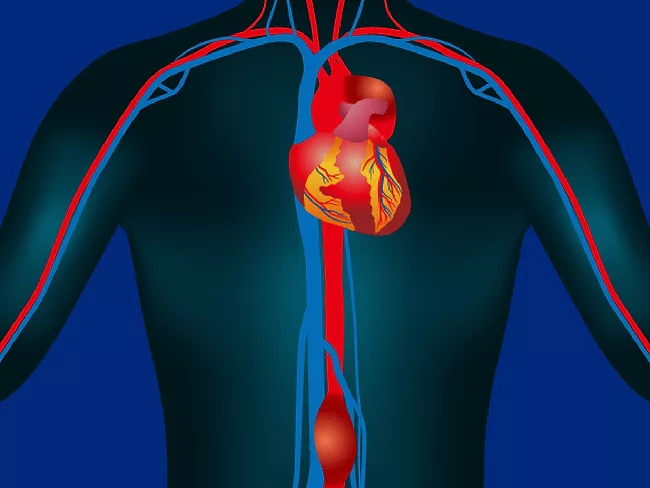
Pulmonary arterial hypertension (PAH) is a progressive disorder where high pulmonary artery pressure and vascular resistance lead to progressive dyspnea, and right ventricular hypertrophy (RVH).
Yunovia Co. Ltd. gained clearance in South Korea to start a multiple ascending dose phase I study for ID-110521156 – a novel, orally available, small-molecule, glucagon-like peptide-1 (GLP-1) agonist.
Since the U.S. FDA’s approval of the first pulsed field ablation (PFA) system in the U.S. last December, PFA technology has rapidly reconfigured the electrophysiology market in the U.S. and ramped up sales of PFA systems in Europe.
The clearance by the U.S. FDA of Healthccsng V2.0, an artificial intelligence cardiac solution developed by Nano-x Imaging Ltd.’s (Nanox) subsidiary, Nanox.AI, is highly “significant” for the company and will offer “substantial” benefits to cardiology departments by significantly enhancing the detection of coronary artery calcification, Erez Meltzer, Nanox CEO told BioWorld.

 RSS
RSS