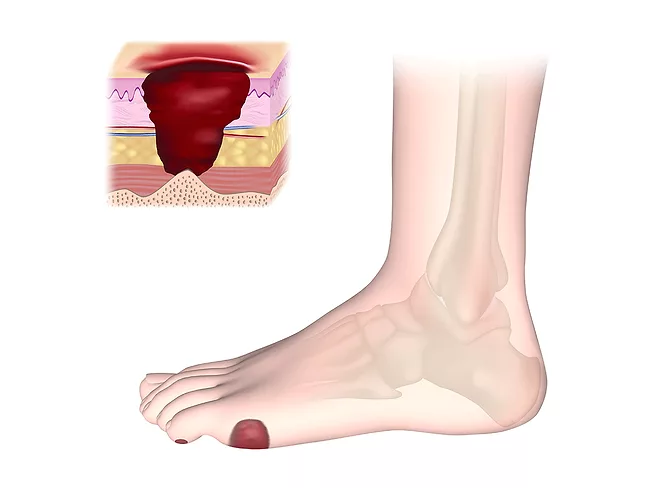
Eluciderm Inc. has received clearance from the U.S. FDA for its IND to conduct a phase I/IIa open-label study evaluating the safety and efficacy of ELU-42, a topical spray-on solution for open wound healing, in patients with diabetic foot ulcers (DFUs).
Apogee Therapeutics Inc. plans to enter a crowded atopic dermatitis market with established drugs, such as Dupixent (dupilumab, Regeneron Pharmaceuticals Inc. and Sanofi SA) and Ebglyss (lebrikizumab-lbkz, Eli Lilly and Co.), which are sold by much larger competitors. But the company thinks it can compete with its anti-IL-13 antibody, APG-777, thanks to the drug’s 77 day half-life that may allow it to be dosed only two to four times a year in the maintenance phase, compared to 13 to 26 injections per year for the established competitors.
Humanwell Healthcare (Group) Co. Ltd. has divulged Mas-related G-protein coupled receptor member X2 (MRGPRX2) antagonists reported to be useful for the treatment of pain, autoimmune disease and dermatological disorders.
Chinese investigators have published data from studies investigating CYT-997 for the treatment of hypertrophic scars. CYT-997 is a tubulin polymerization inhibitor that reached phase II clinical development for the treatment of multiple myeloma and glioblastoma multiforme.
Tetratherix Ltd. raised AU$45 million (US$25 million) in its IPO on the Australian Securities Exchange (ASX:TTX) to support clinical development of its Tetramatrix polymer biomaterial platform to support bone regeneration, tissue spacing and tissue healing.
Atopic dermatitis data from Nektar Therapeutics Inc. put investors even more in the mood for further results with rezpegaldesleukin (rezpeg), an IL-2 pathway agonist and regulatory T-cell proliferator, also in the works for severe to very severe alopecia areata.
Researchers from the University at Buffalo, the State University of New York (SUNY), filed for protection of their development of a new imaging technology that uses radar and AI to see through dressings to monitor wounds and other skin conditions.
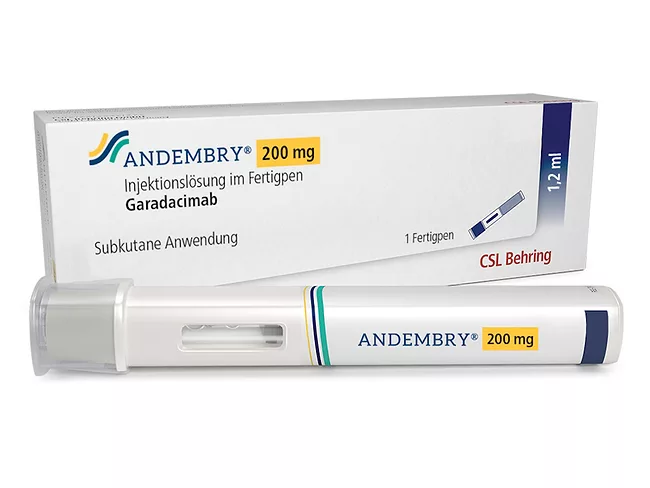
Following a complete response letter issued last October over CMC issues, CSL Behring LLC gained U.S. FDA approval June 16 of its humanized anti-factor XIIa monoclonal antibody, garadacimab (CSL-312), to prevent hereditary angioedema attacks.
At the ongoing International Society for Stem Cell Research meeting, Chinese researchers reported they demonstrated that SPT6 homolog, histone chaperone and transcription elongation factor (SPT6) promotes epidermal stem/progenitor cells differentiation by facilitating transcriptional elongation, but its role in vivo in skin homeostasis is not well defined.
Deepcure Inc. has nominated DC-15442, an oral selective STAT6 inhibitor, as its second development candidate. DC-15442 is designed to replicate the safety and efficacy of dupilumab, while offering an oral alternative to regular subcutaneous injections.
 RSS
RSS