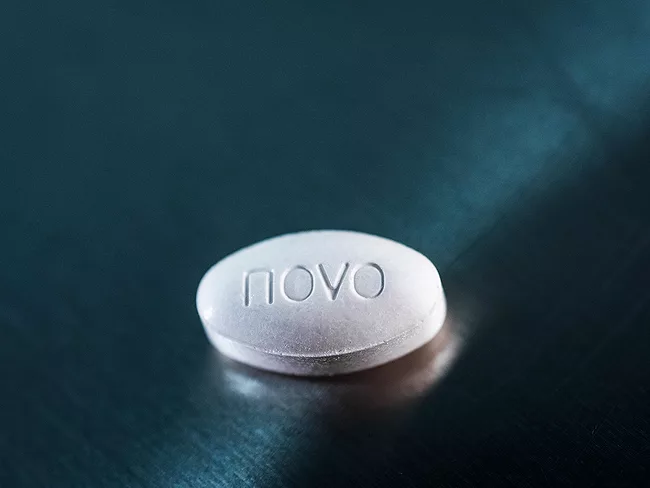
The U.S. FDA has accepted the NDA for an oral formulation of Novo Nordisk A/S’s Wegovy (semaglutide) in treating obesity. If approved, the daily pill will be the first oral GLP-1 for treating chronic weight management. So far, however, it has been injectables leading the way to approval.
Regulus Therapeutics Inc. CEO Jay Hagan told investors in a January call the company had no interest in “simply out-licensing” rights to lead candidate farabursen, an oligonucleotide targeting autosomal dominant polycystic kidney disease set to start phase III testing on a path to a potential accelerated approval. And now, there’s no need to, as Regulus found a buyer for the whole company in a deal with Novartis AG valued at about $1.7 billion.
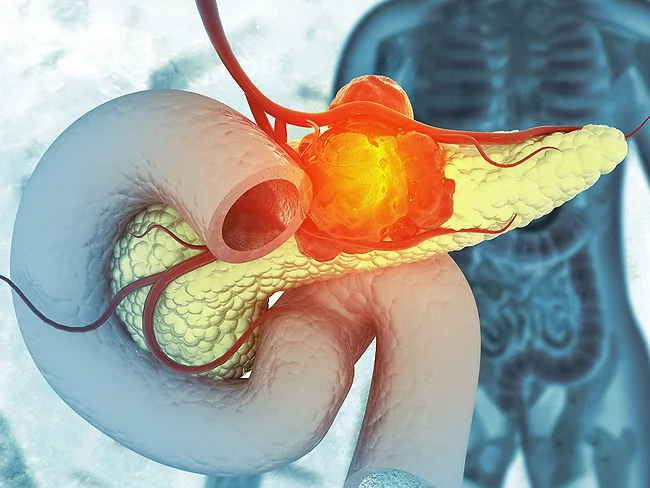
A metabolic vulnerability of pancreatic ductal adenocarcinoma (PDAC) could be used to address this type of cancer that often resists treatments. Scientists at the University of Michigan have discovered that inhibiting the PIKfyve enzyme prevented tumor development and reduced tumor growth by altering the lipid synthesis these cells rely on. The KRAS-MAPK pathway is involved in this process, leading the researchers to suggest that dual inhibitors of PIKfyve and KRAS-MAPK could be an effective therapeutic strategy.
Tightening of U.S. regulation and capital is leading Chinese biotechs to alternative and new models of financing, ranging from cross-border licensing deals, M&As, the so-called newco model and overseas listings.
Days after Pfizer Inc. pulled the plug on its oral GLP-1 candidate danuglipron, Eli Lilly and Co. aired positive top-line data from the phase III trial called Achieve-1 testing orforglipron vs. placebo in adults with type 2 diabetes and inadequate glycemic control with diet and exercise alone.
Glycomine Inc. secured $115 million in a series C financing round to support the advancement of GLM-101 into a phase IIb study in patients with phosphomannomutase-2 congenital disorder of glycosylation (PMM2-CDG).
Hightide Therapeutics Inc.’s berberine ursodeoxycholate (HTD-1801) met primary and secondary endpoints in the Symphony 1 and Symphony 2 phase III trials in type 2 diabetes in Chinese patients. Based on the data, Shenzhen-based Hightide will submit an NDA to China’s National Medical Products Administration (NMPA) later this year.
Oral peptide delivery specialist Cyprumed GmbH is about to find out if the high bioavailability of its tablet formulations seen in animal models will translate across to humans, after signing a $493 million license and option agreement with Merck & Co. Inc.
Pfizer Inc. is ending work on oral GLP-1 candidate danuglipron for weight loss following the report of a single potentially drug-induced liver injury, a move that appears to open the door for other firms working on oral therapies in the high-dollar obesity space, even as industry watchers seek further details to determine whether similar safety signals could emerge for those competitors.
Rhythm Pharmaceuticals Inc.’s sales with Imcivree (setmelanotide) in weight management could exceed $1 billion by 2028 if hypothalamic obesity (HO) is added to the label of the drug, Oppenheimer analyst Leland Gershell said in a report. Boston-based Rhythm rolled out positive top-line data from the pivotal phase III study called Transcend with the melanocortin-4 receptor agonist in HO. The global trial met its primary endpoint with a statistically significant and highly clinically meaningful reduction in body mass index in adult and pediatric HO patients vs. placebo.
 RSS
RSS