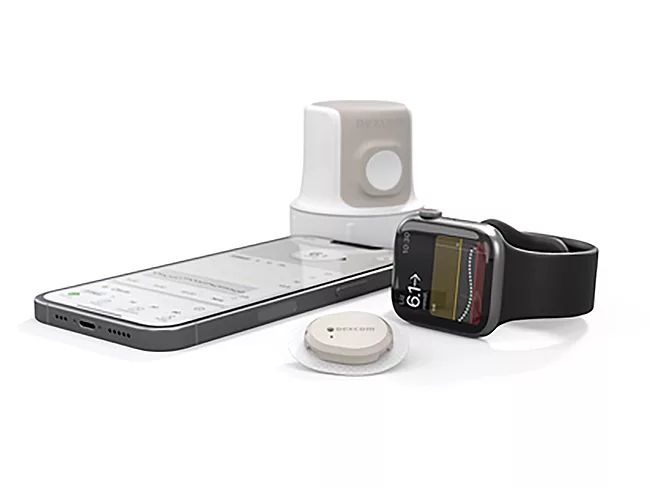
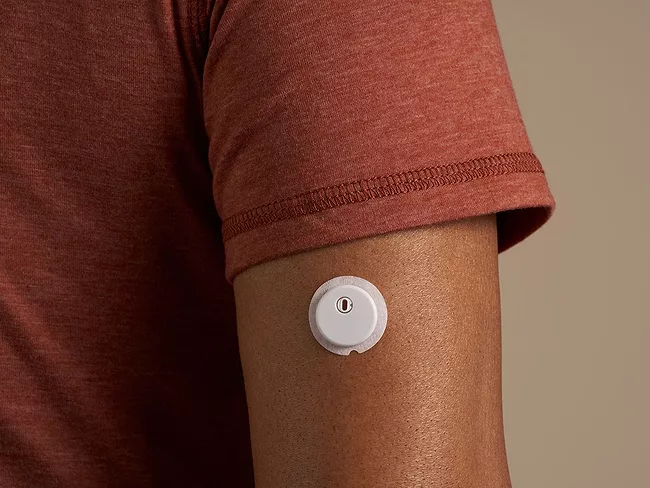
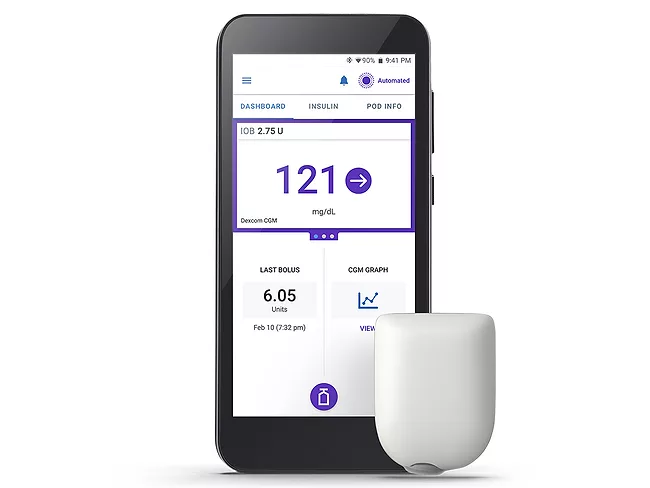
Dexcom Inc. and Insulet Corp. reported new clinical trial data on their diabetes technologies at the 2026 Scientific Sessions of the American Diabetes Association in New Orleans, offering insights that could aid in clinical adoption. Abbott Laboratories, meanwhile, highlighted the risks of diabetic ketoacidosis (DKA) and presented data showing the growing challenge of identifying DKA as it can develop quickly and mimic common illnesses.
Extracellular matrix specialist Engitix Ltd. is teaming up with GSK plc to delve into the mechanisms underlying regression of fibrosis after treatment for chronic liver disease, and identify and validate new drug targets involved in this process.
Hanmi Pharmaceutical Co. Ltd. secured a $1.26 billion deal with Eli Lilly and Co. to out-license ex-Korea rights to sonefpeglutide (HM-15912), a Lapscovery-based glucagon-like peptide-2 analog in development for multiple indications, including an ongoing phase II study of short bowel syndrome. It was one of two billion-dollar Asian company deals signed by Lilly on June 1, with the second transaction involving Haisco Pharmaceutical Group Co. Ltd., of Beijing.
Abbott Laboratories received CE mark approval for two dual glucose and ketone sensing systems, bringing to the market sensors that could be transformational to the lives of people with diabetes at risk of diabetic ketoacidosis.
D&D Pharmatech Inc. announced May 27 positive top-line tissue biopsy results of zabopegdutide (DD-01) from a 48-week phase II study of metabolic dysfunction-associated steatohepatitis (MASH), pushing company shares up 30% on the day.
Insulet Corp. has initiated a voluntary medical device correction affecting insulin pump pods in its Omnipod product lines after discovering a manufacturing issue that could lead to the leaking of insulin and the under-delivery of doses in some patients. The company said that some pods from specific lots may have a small tear in the cannula.
Upbeat phase II news lately from Spyre Therapeutics Inc. in inflammatory bowel disease (IBD) perked not only the company’s stock but also wider interest in the buzzing space, where developers big and small are trying to tackle such chronic bedevilments as Crohn’s disease and ulcerative colitis (UC).
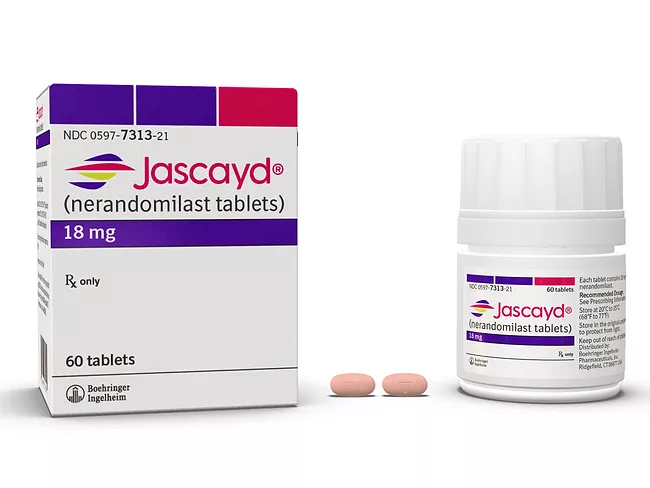
As generic versions of its blockbuster drug Ofev (nintedanib) start to hit the market, Boehringer Ingelheim GmbH looks to have swerved the patent cliff, with European and Japanese regulators both approving a potential replacement, Jascayd (nerandomilast), this week. At its monthly meeting, the EMA’s Committee for Medicinal Products for Human Use also recommended Novartis AG’s Vijoice (alpelisib) be given conditional approval in the treatment of PIK3CA-related overgrowth spectrum disorders.
WAVES, an algorithm designed to extract menstrual-cycle metrics from physiological signals such as basal body temperature, which oscillates with sex hormones, shows how different parameters change with age and helps determine whether each person maintains a stable individual pattern or personal footprint. A study based on data from 5,674 cycles from 753 women demonstrates through this tool that age is associated with higher temperatures, shorter cycles, and greater irregularity. In addition, several metrics show within-person stability, suggesting they could serve as personalized health markers.
Posting another win for its triple G agonist, Eli Lilly and Co. rolled out top-line phase III data from Triumph-1 showing that all doses of retatrutide met primary and key secondary endpoints for obesity, with participants losing on average between 19% and 28.3% of body weight and significantly improving their cardiovascular risk factors.
 RSS
RSS