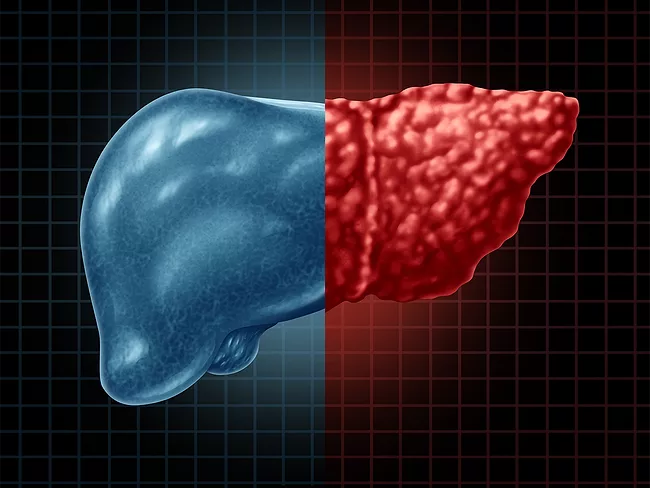
Boehringer Ingelheim GmbH is stopping development of OSE Immunotherapeutics SA’s BI-770371 in metabolic dysfunction-associated steatohepatitis (MASH), after the SIRPα antagonist failed to show efficacy in a phase II study. Codevelopment of BI-770371 will continue for oncology indications, however, which was the initial target of the duo’s €1.4 billion (US$1.6 million) partnership in 2018.
Ascendis Pharma A/S’ Yuviwel (navepegritide) gained U.S. FDA accelerated approval Feb. 27 for children 2 and older with the rare genetic bone growth disorder achondroplasia, also known as dwarfism, winning the company a rare pediatric disease priority review voucher
The busy Prader-Willi syndrome (PWS) space took another hit as did shares of Aardvark Therapeutics Inc. (NASDAQ:AARD), which closed March 2 at $5.47, down $7.02, or 56%, after the company disclosed a voluntary pause of the phase III Hunger Elimination or Reduction Objective (HERO) trial testing ARD-101 as a treatment for hyperphagia, or intense hunger, in patients with the disease.
Eli Lilly and Co. got a breather when the U.S. Ninth Circuit Court of Appeals agreed that the company doesn’t owe Research Corporation Technologies Inc. (RCT) royalties on its diabetes drugs under a licensing agreement Lilly had made with Phillips Petroleum Co. in 1990 and that Phillips later sold to RCT.
China’s National Medical Products Administration has accepted for review Jiuyuan Genetic Biopharmaceutical Co. Ltd.’s drug application for Jikeqin, a biosimilar product to Novo Nordisk A/S’s Wegovy (semaglutide) for obesity.
Coming off a U.S. FDA approval of the first GLP-1 in pill format, Novo Nordisk A/S leaned further into oral drug delivery efforts, partnering with Vivtex Corp. to develop next-generation oral formulations of peptide and protein therapeutics in a potential $2.1 billion deal that marks the highest-profile news for Vivtex since the firm spun out of MIT in 2018.
Almost three months to the day after Protara Therapeutics Inc. made known positive interim data from the phase II trial testing cell-based therapy TARA-002 in pediatric patients with macrocystic and mixed cystic lymphatic malformations (LMs), Palvella Therapeutics Inc. scored positive top-line results from the phase III Selva study evaluating Qtorin 3.9% rapamycin anhydrous gel for microcystic LMs.
Targeting an ultrarare disease affecting about 250 U.S. residents, Immedica Pharma AB’s Loargys (pegzilarginase) won accelerated FDA approval to treat hyperargininemia in those ages 2 and older with arginase 1 deficiency (ARG1-D).
Shares in Novo Nordisk A/S took another battering after the company announced its next-generation obesity drug Cagrisema failed to show noninferiority to Eli Lilly and Co. Inc.’s Zepbound in an open-label comparator study.
Though it’s largely viewed by analysts as a simple delay rather than a setback, Disc Medicine Inc.’s unexpected complete response letter (CRL) for bitopertin in the rare genetic disorder erythropoietic protoporphyria (EPP) raises more questions regarding consistency and stability at the U.S. FDA.
 RSS
RSS