The good news is that the U.S. Congress is on track to pass a slate of fiscal 2026 spending bills before the current continuing resolution expires Jan. 30. So, barring any last-minute disputes or legislative hostage-taking, there should be no repeat of last year’s 43-day shutdown that impacted NIH grants and activities.
As China emerges as a critical commercial market and a source of global innovation, the newly released 2026 edition of Clarivate’s Drugs to Watch report highlights six drugs to watch in the China market for the year ahead.
Once it was considered to be more or less a passive energy-storing device that could double as a cushion. But increasingly, fat is conceptualized as an endocrine organ as much as a tissue type. Now, separate research groups have reported new insights into the functional roles of different fats based on their anatomical location and functional characteristics.
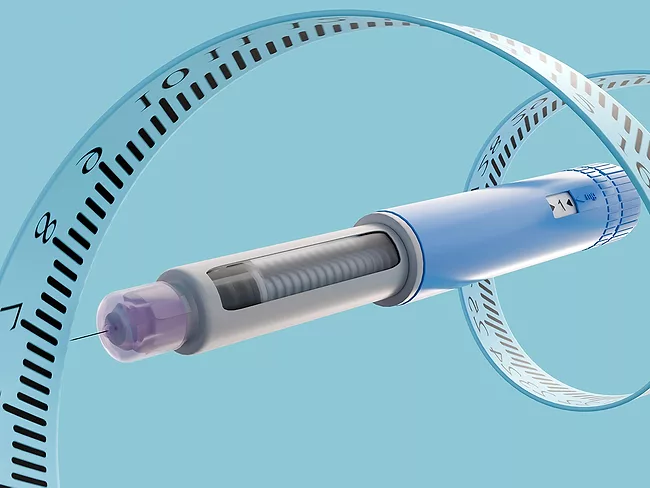
Years after approving three glucagon-like peptide-1 (GLP-1) receptor agonists to treat obesity, the U.S. FDA is acknowledging that the drugs don’t have the same risk seen with older weight-loss medicines. Citing its post-market evaluation that found no increased risk of suicidal ideation or behavior, the U.S. FDA is requesting that the risk be removed from the warnings and precautions section of labeling for the GLP-1 obesity drugs – Eli Lilly and Co.’s Zepbound (tirzepatide) and Novo Nordisk A/S’ Saxenda (liraglutide) and Wegovy (semaglutide).
There are two significant messages for companies developing and profiting from obesity drugs in a meta-analysis of clinical trials examining the extent of weight regain after treatment stops. First, people taking obesity medication regain weight four times faster on average than those who lose weight through behavioral diet and exercise programs; and second, poor tolerability leads to poor adherence.
The newly released 2026 edition of Clarivate’s Drugs to Watch report highlights 11 potential blockbusters that could change treatment paradigms for patients.
Biopharma industry zeal for obesity therapeutics does not appear to be dying down any time soon, with Eli Lilly and Co. entering a $1.3 billion deal with Nimbus Therapeutics LLC for a new small molecule, and Arrowhead Pharmaceuticals Inc. rolling out phase I/IIa data of its RNAi therapeutics used in combination with Lilly’s GLP-1/GIP receptor agonist tirzepatide.
The U.S. FDA dashed hopes that Corcept Therapeutics Inc. might be able to launch its selective glucocorticoid receptor antagonist in two indications in 2026, issuing a complete response letter for relacorilant for use in patients with hypertension secondary to hypercortisolism, also known as Cushing syndrome. Focus is now on the July 2026 PDUFA date, as Corcept seeks approval for the same drug as a treatment for patients with platinum-resistant ovarian cancer.
When glucagon-like peptide-1 (GLP-1) receptor agonists entered the market for obesity and overweight indications in recent years, the uptake and enthusiasm drove investor excitement for companies advancing any of the new mechanisms in the space.
Gene editing technologies are moving forward in preclinical development with innovative strategies designed to treat diseases at their root and even reverse them. However, many approaches still struggle to reach target cells or tissues – either they fail to arrive, or their efficacy is low. In vivo therapies face numerous challenges, but despite these hurdles, 2025 has marked a year of remarkable progress.
 RSS
RSS