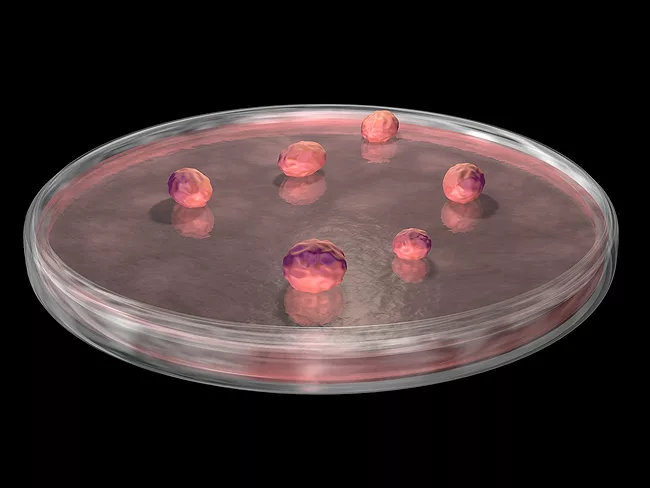
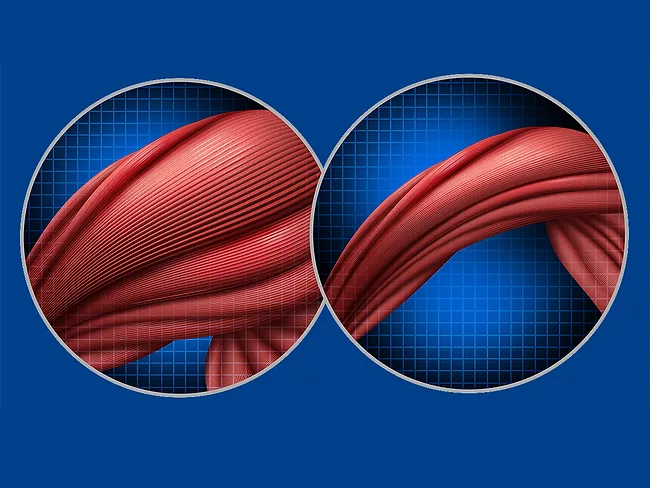
The variety of organoids that can be developed in vitro is enabling major advances. Depending on the type of tissues and the research goals, these small 3D cell-based structures that mimic real tissue offer certain advantages over animal models. Scientists at the University of Padova in Italy have created human neuromuscular organoids to reproduce cancer-induced muscle cachexia, a condition that murine models do not accurately replicate.
After two decades of work with Translarna (ataluren) for nonsense mutation Duchenne muscular dystrophy, PTC Therapeutics Inc. withdrew its bid for approval of the compound upon hearing from the U.S. FDA. Regulators told Warren, N.J.-based PTC that the data package for Translarna is “unlikely to meet the agency's threshold of substantial evidence of effectiveness.”
A circuit formed by tumor, immune and nervous systems triggers cancer cachexia and anorexia, the excessive loss of weight, muscle and fat experienced in some cancer types. A new study is the first showing these three actors of a triangle interaction that initiates and feeds the process.
Viking Therapeutics Inc. said after-market hours Feb. 11 that it plans to advance its oral dual GLP-1/GIP receptor, VK-2735, into a phase III trial for obesity in the third quarter of 2026. VK-2735 is a novel dual glucagon-like peptide-1 and glucose-dependent insulinotropic polypeptide (GLP-1/GIP) receptor agonist.
Continuing to build on the successful launch of Rezdiffra (resmetirom), Madrigal Pharmaceuticals Inc. is adding six preclinical-stage siRNA therapies to its metabolic dysfunction-associated steatohepatitis (MASH) pipeline in a deal with Ribo Life Science Co. Ltd. and its subsidiary, Ribocure Pharmaceuticals AB, that could be worth $4.4 billion if all milestones are achieved.
Ascletis Pharma Inc. raised HK$843.53 million (US107.93 million) in a placement on the Hong Kong Stock Exchange to advance its lead program, ASC-30, a small-molecule glucagon-like peptide-1 (GLP-1) receptor agonist that can be dosed once monthly subcutaneously and once daily orally for treating obesity.
The malfunction of lymphatic drainage that occurs in lymphedema leads to excessive cholesterol accumulation in the affected skin and lymphatic vessels, causing inflammation and fibrosis. However, surgery and the chemical reduction of accumulated cholesterol with cyclodextrin reduce inflammation and regenerate lymphatic vessels. Cholesterol is a potential therapeutic target for treating lymphedema, according to this study published on Feb. 11, 2026, in Nature by Veronique Angeli and her colleagues.
Novo Nordisk A/S’ television ad introducing the tablet form of its weight-loss drug, Wegovy (semaglutide), to American consumers didn’t pass regulatory muster.
As many had predicted following news of a clinical hold on the gene therapy last month, Regenxbio Inc. disclosed receipt of a complete response letter (CRL) regarding its BLA for RGX-121 (clemidsogene lanparvovec) in mucopolysaccharidosis II, an ultrarare neurodegenerative disease in dire need of new therapies.
True to its word, Novo Nordisk A/S filed a patent infringement lawsuit in U.S. district court against Hims & Hers Health Inc. over compounded versions of Novo’s semaglutide products.
 RSS
RSS