DUBLIN – For quite some time, cardiometabolic disease has been largely off the map for most small biotechs and for the venture capital investors that support them. Is that situation about to change? Maybe, maybe not was the mixed message arising from a Bio-Europe Spring 2020 virtual panel discussion on cardiometabolic disease.
With the FDA approval of Novartis AG’s Isturisa (osilodrostat), an oral treatment for adults with Cushing’s disease, Recordati SpA, of Milan, is planning its U.S. market launch for the second or third quarter of this year. Recordati, which acquired Isturisa’s worldwide rights from Novartis in October for $390 million, expects sales to peak at $100 million annually.
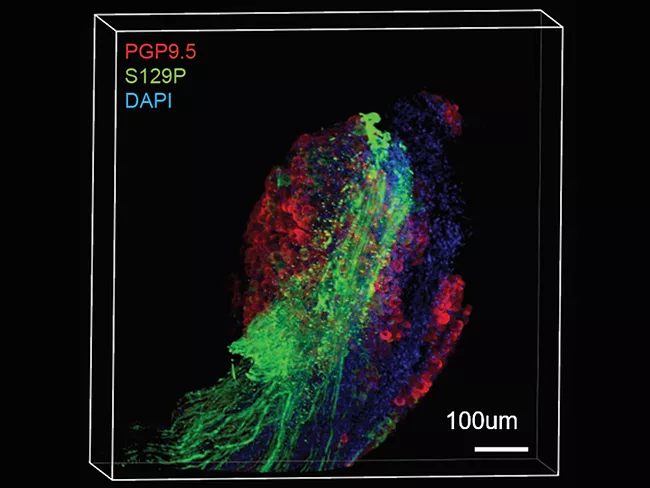
Parkinson’s disease (PD) is a neurodegenerative disorder. But not just. And it may not start that way.
There is increasing evidence that a-synuclein, the protein whose aggregates eventually destroy midbrain dopaminergic neurons in PD (and that are the cause of other diseases collectively known as the synucleinopathies), first aggregates “in enteric neurons, the neurons that control gastrointestinal function,” Collin Challis told BioWorld.
Ultragenyx Pharmaceutical Inc.’s top-line win in January with DTX-301 gene therapy in ornithine transcarbamylase (OTC) deficiency seemed to presage even better things to come later this year, and analysts more recently hailed fourth-quarter earnings that showed satisfying progress with Crysvita (burosumab).
Spain's Sanifit Laboratoris SL, a company developing treatments for calcification disorders, has dosed the first patient in a phase III trial of its lead asset, SNF-472, for the treatment of the rare and sometimes deadly disease calciphylaxis, a calcium accumulation disorder.
Pediatric gene editing specialist Logicbio Therapeutics Inc. has revealed an FDA clinical hold on a planned phase I/II trial of its lead candidate, LB-001, an investigational therapy for rare inherited metabolic disorder methylmalonic acidemia (MMA).
Inclisiran’s inclusion on the 2020 Cortellis Drugs to Watch list is an example of target discovery possibilities hiding in plain sight – if companies and institutions are willing to put effort into increasing sample diversity in genomic research.
The less-frequent dosing regimen of Basel, Switzerland-based Novartis AG’s cholesterol therapy, inclisiran, under development in the hands of subsidiary The Medicines Co., positions the small interfering RNA (siRNA) drug to take on marketed proprotein convertase subtilisin/kexin type 9 (PCSK9)-targeting antibodies as well as statins in the busy therapeutic space. Statins are the gold standard now, but about 80% of patients don’t reach their lipid goals.
No matter how effective it is, a drug is worthless if the people who need it can’t afford it. That’s been almost an anthem for patients and policy wonks testifying before U.S. Congress on drug prices.
New analysis from Clarivate Analytics' Cortellis Forecast Team predicts 11 medicines set to enter the market in 2020 will reach more than $1 billion in sales by 2024.
 RSS
RSS