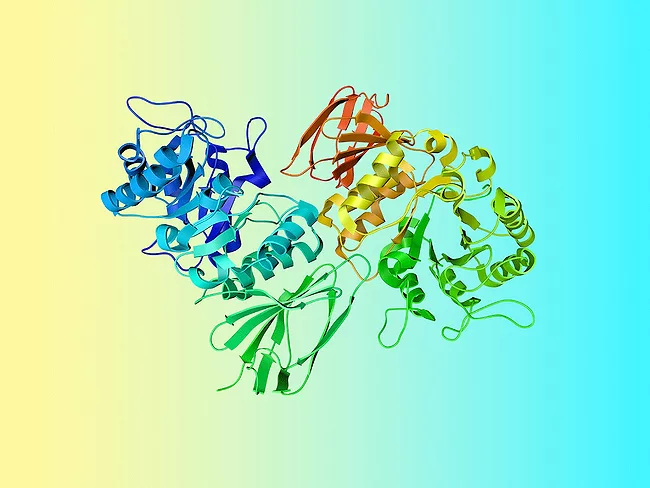
Protalix Biotherapeutics Inc. saw shares dip after releasing initial top-line data from an interim analysis of the phase III Balance clinical trial of pegunigalsidase alfa (PRX-102) to treat Fabry disease. The 24-month, randomized, double-blind, active control study is evaluating the safety and efficacy of 1 mg/kg of PRX-102 dosed every two weeks compared to agalsidase beta (Fabrazyme). Two of the study’s 78 patients dropped out because of treatment emergent adverse events and one left because of a related adverse event.
As investors await an MAA submission to the EMA for U.S.-approved Mycapssa (octreotide) in acromegaly, Chiasma Inc. disclosed its plan to merge with Amryt plc in an all-stock deal, thereby gaining a global commercial presence. Terms call for the exchange of each Chiasma share for 0.396 American depositary share of Amryt. The latter closed May 4 at $12.95, so the deal values Chiasma at $5.13 per share, an 81% premium over the previous day’s ending price, noted Piper Sandler analyst Edward Tenthoff. The stock (NASDAQ:CHMA) rose $1.14, or 40%, to finish at $3.98.
Shares of Protalix Biotherapeutics Inc. (NYSE:PLX) fell 33% to $3.93 on April 28 after the company reported receiving an FDA complete response letter (CRL) in answer to its BLA for pegunigalsidase alfa, a galactosidase enzyme replacement therapy it has long advanced for the potential treatment of Fabry disease.
HONG KONG – Canbridge Pharmaceuticals Inc. signed a collaboration and licensing agreement that could be worth $581 million, gaining global rights to develop, manufacture and commercialize gene therapy candidates from Logicbio Therapeutics Inc. for the treatment of Fabry and Pompe diseases. The candidates are based on Logicbio’s adeno-associated virus (AAV) sL65, the first produced from its Saavy capsid development platform.
About a year and a half after Enzyvant Inc.'s tissue-based therapy for children born without a thymus met with a complete response letter over chemistry, manufacturing and controls concerns, its BLA is once again on track for FDA review, the company told BioWorld. Following a resubmission intended to fully address the agency's concerns, the application has a new PDUFA date of Oct. 8.
Advances lately in the genome-editing space include Beam Therapeutics Inc. publication in The CRISPR Journal details of its work with inlaid base editors, which the firm is applying in the BEAM-102 program for sickle cell disease. IBEs’ predictable, shifted editing window lets researchers go after disease-causing mutations that canonical base editors cannot reach, Beam said, and do the job with high efficiency and few off-target effects on the genome. The hottest news due in the near-term future from the sector will spill from Intellia Therapeutics Inc., of Cambridge, Mass., which is due to roll out first-in-human data with a systemic CRISPR-based genome editing therapy, NTLA-2001, in hereditary transthyretin amyloidosis.
New and updated preclinical and clinical data presented by biopharma firms at the ENDO 2021, the Endocrine Society's annual meeting, including: 89bio, Amolyt, Biomarin, Bridgebio, Chiasma, Clarus, Crinetics, Lumos, Neurocrine, Strongbridge, Rezolute, Rhythm, Theratechnologies.
Molybdenum cofactor deficiency (MoCD) type A, an ultra-rare metabolic disorder causing intractable seizures, brain injury and death, now has a world-first treatment in Nulibry (fosdenopterin), a new I.V. therapy developed by Bridgebio Pharma Inc. subsidiary Origin Biosciences Inc. The agency's priority review, supported by its orphan, breakthrough and rare pediatric disease programs, also yielded a priority review voucher (PRV) for Origin.
A failure of Tricida Inc.'s most recent efforts to overcome FDA objections to an NDA for the company's sole candidate, veverimer, for treating metabolic acidosis, sent company shares (NASDAQ:TCDA) 30.6% lower to $5.11 on Feb. 26. The complex story appears focused now on the agency's desire for additional and more reliable data to support a potential approval. Tricida President and CEO Gerrit Klaerner on Thursday suggested the ongoing renal outcomes study, Valor-CKD, might provide it.
 RSS
RSS