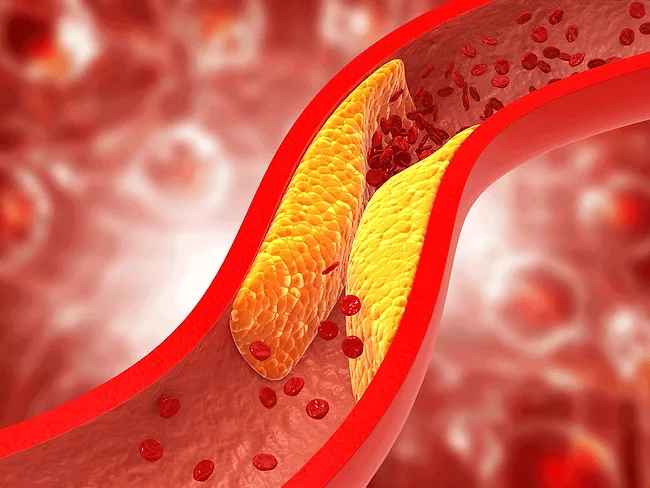
Innovent Biologics Inc. said that, compared to a placebo, both doses of its anti-PCSK-9 monoclonal antibody tafolecimab tested in a phase III trial “yielded significant and durable reductions” in low-density lipoprotein cholesterol levels and showed a favorable safety profile in Chinese patients with non-familial hypercholesterolemia.
Bloomsbury Genetic Therapies Ltd. has raised £5 million (US$5.5 million) in a seed round, to take four gene therapy programs based on research carried out by the scientific founders at University College London into clinical development.
Investigators at Washington State University (WSU) have identified a set of eight proteins that were expressed in the serum of Ursus arctos horribilis, better known as the grizzly bear, specifically during their hibernation period. In addition to reporting new basic insights into hibernation, the study, which was published in the Sept. 21, 2022, issue of iScience, could also give clues to insulin resistance and its relationship to body fat.
Bearish investors dwelling on a single grade 4 liver enzyme elevation seemed to be the cause for Intellia Therapeutics Inc.’s sinking stock Sept. 16, despite the company reporting impressive, though early stage, data for its leading systemically administered CRISPR candidates targeting hereditary angioedema (HAE) and amyloid transthyretin (ATTR) amyloidosis.
Sex differences at the cellular level could explain why men respond less well to glioblastoma (GBM) treatments, according to a study led by the Washington University School of Medicine in St. Louis (WUSTL). The researchers found that male and female GBM tumor cells had different metabolic needs. GBM cells from male surgical samples absorbed more glutamine and had different nutritional preferences for amino acids.
The bad news in March 2022 from Takeda Pharmaceutical Co. Ltd. regarding Natpara, its recombinant human parathyroid hormone for hypoparathyroidism (HPT), served to generate more interest in the already bubbling space, where a handful of players large and small own prospects at various clinical stages.
Five months after winning its first approval in Japan, Sanofi SA’s enzyme replacement therapy, Xenpozyme (olipudase alfa), earned a U.S. FDA nod for use in pediatric and adult patients with acid sphingomyelinase deficiency (ASMD), becoming the first medication designed to treat symptoms not related to the central nervous system.
In pursuit of "an opportunity to accelerate the establishment of clinical development and commercial capabilities in the U.K.," Neurocrine Biosciences Inc. said it will buy Diurnal Group plc for about £48.3 million (US$56.5 million). Cardiff, U.K.-based Diurnal is a specialty pharma developing hormone therapies for rare and chronic endocrine conditions. The all-cash transaction represented a 144% premium of the Aug. 26 closing price of Diurnal shares (LSE:DNL). Shares closed 134.7% higher Aug. 30 at £26.40.
Structure Therapeutics Inc. raised $33 million in a financing round to speed up clinical trials of its lead assets targeting chronic diseases and to improve its technology platform. Previously known as Shouti Inc., the company also has rebranded itself as Structure to “reflect its foundation in structural biology and computational design.”
The U.S. FDA’s summer 2021 approval of Skytrofa (lonapegsomatropin) from Ascendis Pharma A/S served to sharpen appetites for an even better therapy to treat for pediatric growth hormone deficiency (GHD). Among players in the forefront is Lumos Pharma Inc., with an oral candidate that could disrupt the competitive space.
 RSS
RSS