Eli Lilly and Co. is deepening its investment in artificial intelligence-driven drug discovery through a multibillion-dollar expansion of its collaboration with Hong-Kong listed Insilico Medicine Inc. in a move that could broaden its reach into next-generation metabolic therapies.
A regulatory plod that began in 2023 – and met with success in many other territories – at last crossed the U.S. FDA finish line when Novo Nordisk A/S secured approval of Awiqli (insulin icodec) injection 700 units/mL, the first and only once-weekly, long-acting basal insulin.
The debated and ultimately stock-denting March 26 news from Wave Life Sciences Inc. pushed into the spotlight other firms working with INHBE and activin E.
A next-generation triple incretin therapy jointly developed by Novo Nordisk A/S and China’s United Biotechnology outperformed semaglutide in a phase II trial, signaling intensifying competition in the GLP-1 obesity and diabetes market.
Apparently put off by data with a higher dose, investors in Wave Life Sciences Inc. backed away after the company rolled out data from the phase I portion of its first-in-human Inlight trial evaluating 250 mg of WVE-007, an INHBE GalNAc-siRNA prospect, in otherwise healthy overweight or obese adults.
Maze Therapeutics Inc. continues its journey toward a pivotal program after sharing positive top-line data from the phase II Horizon study with MZE-829, an oral, small-molecule, dual-mechanism APOL1 inhibitor, in patients with broad APOL1-mediated kidney disease (AMKD).
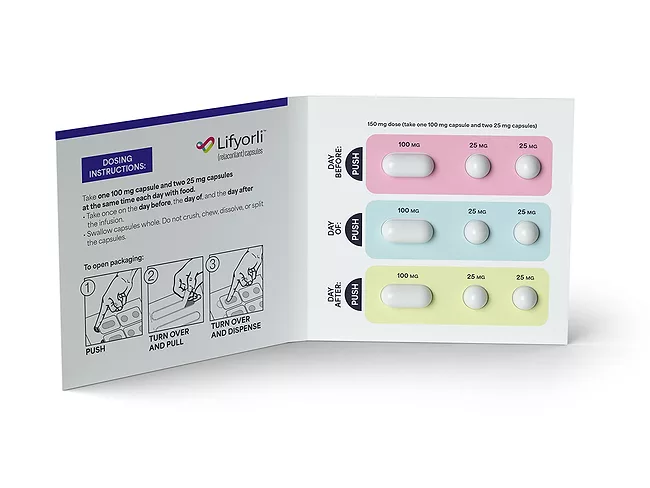
The U.S. FDA approved Corcept Therapeutics Inc.’s oral, selective glucocorticoid receptor antagonist, Lifyorli (relacorilant), nearly four months ahead of schedule for adults with platinum-resistant epithelial ovarian, fallopian tube or primary peritoneal cancer. A short time after the agency approved Lifyorli, it cleared Denali Therapeutics Inc.’s Avlayah (tividenofusp alfa) under the accelerated approval pathway for mucopolysaccharidosis II, also called Hunter syndrome, ahead of the April 5 PDUFA date.
Crushing the hopes of drug and device companies, the U.S. Supreme Court’s March 23 orders list showed it denied cert in Takeda Pharmaceutical v. Painters & Allied Trades, which sought to rein in the expansion of class action lawsuits.
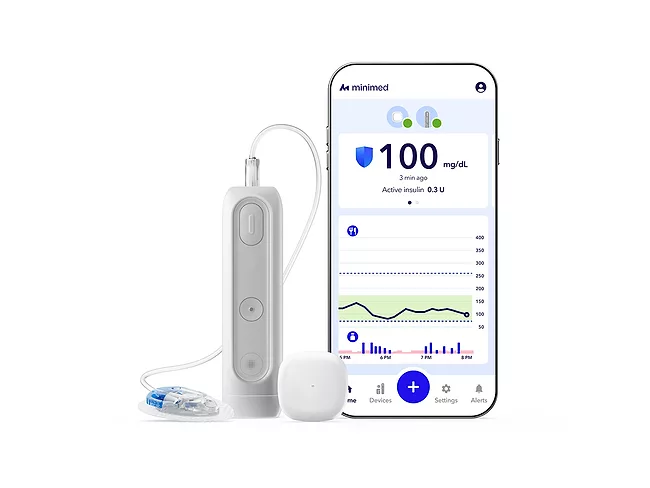
Minimed Group Inc. secured U.S. FDA approval for Minimed Flex, its next-generation discreet, smartphone-controlled insulin pump. The nod from the FDA follows the company’s debut on Nasdaq March 6. About half the size of the Minimed 780G pump and roughly the size of two stacked insulin vials, the screenless pump was designed in collaboration with people living with diabetes to offer a more intuitive, lifestyle‑friendly way to manage the condition.
 RSS
RSS