Maze Therapeutics Inc. continues its journey toward a pivotal program after sharing positive top-line data from the phase II Horizon study with MZE-829, an oral, small-molecule, dual-mechanism APOL1 inhibitor, in patients with broad APOL1-mediated kidney disease (AMKD).
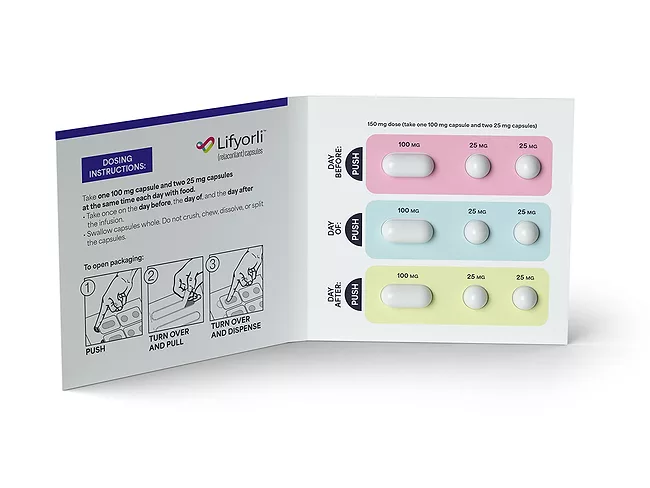
The U.S. FDA approved Corcept Therapeutics Inc.’s oral, selective glucocorticoid receptor antagonist, Lifyorli (relacorilant), nearly four months ahead of schedule for adults with platinum-resistant epithelial ovarian, fallopian tube or primary peritoneal cancer. A short time after the agency approved Lifyorli, it cleared Denali Therapeutics Inc.’s Avlayah (tividenofusp alfa) under the accelerated approval pathway for mucopolysaccharidosis II, also called Hunter syndrome, ahead of the April 5 PDUFA date.
Crushing the hopes of drug and device companies, the U.S. Supreme Court’s March 23 orders list showed it denied cert in Takeda Pharmaceutical v. Painters & Allied Trades, which sought to rein in the expansion of class action lawsuits.
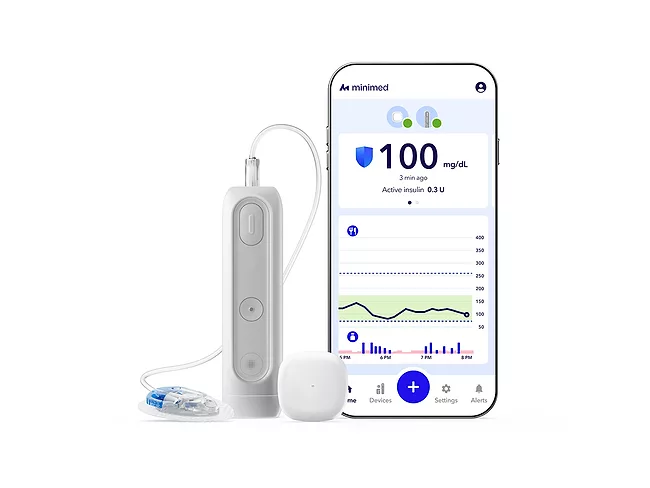
Minimed Group Inc. secured U.S. FDA approval for Minimed Flex, its next-generation discreet, smartphone-controlled insulin pump. The nod from the FDA follows the company’s debut on Nasdaq March 6. About half the size of the Minimed 780G pump and roughly the size of two stacked insulin vials, the screenless pump was designed in collaboration with people living with diabetes to offer a more intuitive, lifestyle‑friendly way to manage the condition.
In a sea of uncertainty, a large-scale, long-term Swedish study is the first to show that people using GLP-1 receptor agonists are less likely to have worsening mental illness. The study involved a national cohort of 95,490 people diagnosed with depression or anxiety disorder, who also were treated with any diabetes drug (apart from insulin).
Further weight loss details are yet to come this year, but Eli Lilly and Co. scored positive top-line results in Transcend-T2D-1, a phase III trial evaluating the efficacy and safety of retatrutide, an investigational first-in-class GIP, GLP-1 and glucagon triple hormone receptor agonist, as an adjunct to diet and exercise in type 2 diabetes (T2D).
Atrogi AB is making a bid for a slice of the obesity market and has dosed the first overweight subjects with ATR-258, an oral therapy it says mimics the effects of exercise, driving loss of fat whilst sparing muscle.
Neurodegenerative disease and cognitive decline cannot be explained by a single process. Beta-amyloid plaques, hyperphosphorylated tau, alpha-synuclein, activated microglia and astrocytes, altered receptors such as TREM2, mitochondrial dysfunction, epigenetic changes and cerebrovascular alterations all seem to contribute to the development of dementia in Alzheimer’s disease (AD). While scientists attempt to address each of these elements, prevention is growing as a primary goal.
The GLP-1 fight has moved from injectables to pills, and Structure Therapeutics Inc. is in the ring with phase III-ready aleniglipron. According to the Bay Area biotech, its oral once-daily glucagon-like peptide-1 (GLP-1) drug candidate, aleniglipron, demonstrated an absolute weight loss of “up to 39 pounds” in the 44-week Access II trial.
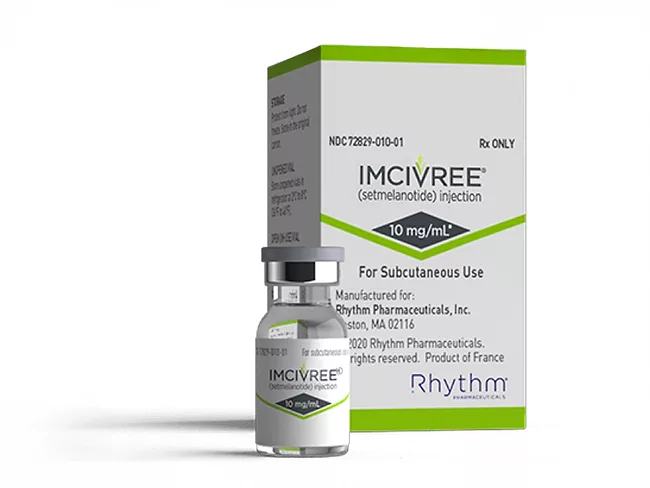
Low expectations for Rhythm Pharmaceuticals Inc.’s phase III study dubbed Emanate with Imcivree (setmelanotide) in a handful of rare genetic obesities meant hardly any share price consequence, and the stock (NASDAQ:RYTM) closed March 17 at $87.68, down $2.83. “We’re not going to file [for approval] on any of these,” CEO David Meeker said, but the latest findings together represent “a solid building block going forward,” he added.
 RSS
RSS