Akeso Pharmaceuticals Inc. scored two approvals from China’s National Medical Products Administration on Sept. 30 before the long Labor Day holiday – one for its PCSK9 inhibitor, ebronucimab, and the second to expand use of PD-1/CTLA4 bispecific antibody cadonilimab in unresectable or metastatic gastric or gastroesophageal junction adenocarcinoma, marking the second indication for cadonilimab in China.
The U.S. FDA has lifted the full clinical hold it imposed in June on Biomea Fusion Inc.’ s phase I/II studies of BMF-219 in types 1 and 2 diabetes. A safety review of the phase IIb expansion study was encouraging and none of the elevated lab values confirmed serious liver injury or impairment, said Biomea’s CEO, Thomas Butler.
Breakthrough – or even better, revolutionary breakthrough – is perhaps the most overused term in drug development. But the discovery and development of GLP-1 receptor agonists (GLP-1RAs), which was honored with the 2024 Lasker-DeBakey Clinical Medical Research Award just last week, is one of the rare innovations that is deserving of the title.
In one of the largest private rounds raised by an Italian biotech, Genespire Srl has closed a €46.6 million (US$51.88 million) series B, enabling it to lay the ground for a phase I/II clinical trial of its lead program, Gene-202, and to further develop its proprietary lentiviral vectors. The vectors are designed to be applicable to a range of liver-related metabolic disorders and, as its first indication, the company intends to treat methylmalonic acidemia, a serious genetic condition that results in impaired metabolism of certain amino acids and lipids.
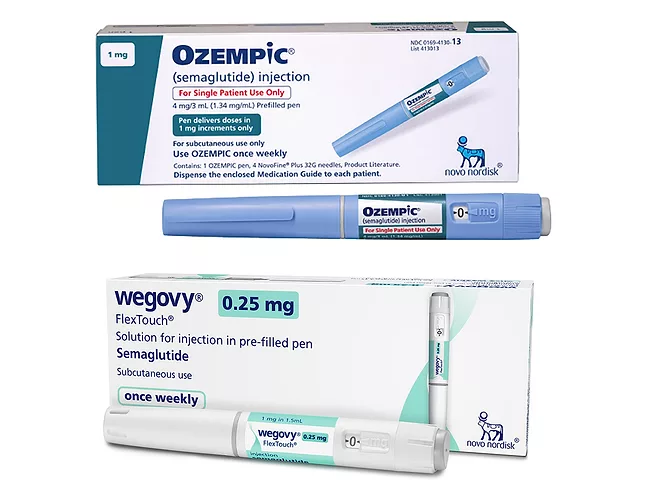
Given the demand for Ozempic and Wegovy and the revenue the GLP-1 drugs are generating for Novo Nordisk A/S in the U.S., a lot of generic companies are clamoring to cash in on the drugs’ current popularity. And there are some U.S. lawmakers more than willing to oblige.
With two drugs cleared by the U.S. FDA for Niemann-Pick disease type C (NPC) in less than seven days, Wall Street was pondering the differences between the compounds, given what’s known so far about each. Most recently, the FDA approved Intrabio Inc.’s Aqneursa (levacetylleucine) on its PDUFA date for the treatment of neurological manifestations of NPC in adults and pediatric patients weighing at least 15 kg, making Aqneursa the only approved stand-alone therapy indicated for NPC. On Sept. 20, Zevra Therapeutics Inc. won FDA clearance for Miplyffa (arimoclomol) as the first treatment for NPC.
While in the hot seat at a Sept. 24 U.S. Senate Health, Education, Labor and Pensions (HELP) Committee hearing, Novo Nordisk A/S President and CEO Lars Fruergaard Jørgensen said he would sit down with Sen. Bernie Sanders (I-Vt.) and the three largest pharmacy benefit managers to discuss lowering the list prices for the company’s popular diabetes and weight-loss drugs, Ozempic and Wegovy.
What the results might mean for the future of other developers in the cannabinoid receptor 1 (CB1) weight-loss arena came into question after Novo Nordisk A/S unveiled phase IIa findings with monlunabant, a small-molecule oral inverse agonist, formerly INV-202.
Ascletis Pharma Inc. is entering the obesity space, announcing it has begun two phase I trials for ASC-30, a small-molecule glucagon-like peptide-1 (GLP-1) receptor agonist that can be dosed once monthly subcutaneously and once daily orally for treating obesity.
An innovation that has kickstarted a revolution in the study and practice of health care is getting even more attention. Three scientists who pioneered the discovery and development of glucagon-like peptide-1 (GLP-1)-based obesity treatments have been named 2024 Lasker Award winners.
 RSS
RSS