The European Commission approved Novo Holding A/S’ acquisition of Catalent Inc., a global contract development and manufacturing organization expected to help Novo Nordisk A/S keep up with increasing demand for its GLP-1 drug, Wegovy (semaglutide).
A ketone body, a molecule derived from the metabolism of acids to obtain energy when glucose is not available, could become an effective ally in treating Alzheimer’s or preventing the effects of aging on the brain. A group of scientists at the Buck Institute for Research on Aging have studied the role of β-hydroxybutyrate as a signaling metabolite of misfolded proteins by interacting with them and altering their solubility, a mechanism that allows their elimination, as observed in preclinical models.
Shares of Relmada Therapeutics Inc. (NASDAQ:RLMD) plummeted 77% to close at 63 cents Dec. 4 after a pre-planned interim analysis prompted the independent data monitoring committee to conclude the phase III Reliance II study testing REL-1017 in major depressive disorder is likely to fail, leaving the future of the NMDA receptor channel blocker in doubt while the company looks ahead to an earlier-stage psilocybin-based program targeting metabolic disease.
Although head-to-head results on tolerability were missing from the company’s data release, Eli Lilly and Co. said its U.S. FDA-approved weight-loss drug Zepbound (tirzepatide) beat the also-cleared Novo Nordic A/S compound Wegovy (semaglutide) in a phase IIIb study comparing the two.
After raising AU$40 million (US$25.9 million) earlier this year to advance lead candidate VP-001 for treating retinitis pigmentosa type 11, PYC Therapeutics is now advancing PYC-003 to the clinic for polycystic kidney disease.
Hangzhou Jiuyuan Gene Engineering Co. Ltd. raised HKD$485.4 million (US$62.38 million) in a November 28 IPO on the main board of the Hong Kong Stock Exchange (HKEX:2566).
Following a late-cycle review meeting with the U.S. FDA in September and the agency’s decision to skip the advisory committee meeting, expectations were high heading toward the PDUFA date for Applied Therapeutics Inc.’s priority NDA for govorestat in galactosemia. So the complete response letter issued by the FDA just ahead of the Nov. 28 PDUFA date, citing deficiencies in the clinical application, caught nearly everyone off guard.
Researchers at the University of Copenhagen have identified a signaling pathway that simultaneously increased energy expenditure and decreased food intake. In both human and primate studies, agonists of the tachykinin NK2 receptor (NK2R) led to both decreased food intake and increased energy expenditure. And in behavioral tests, they were not aversive, suggesting they do not cause the nausea that is a major side effect of GLP-1 agonists.
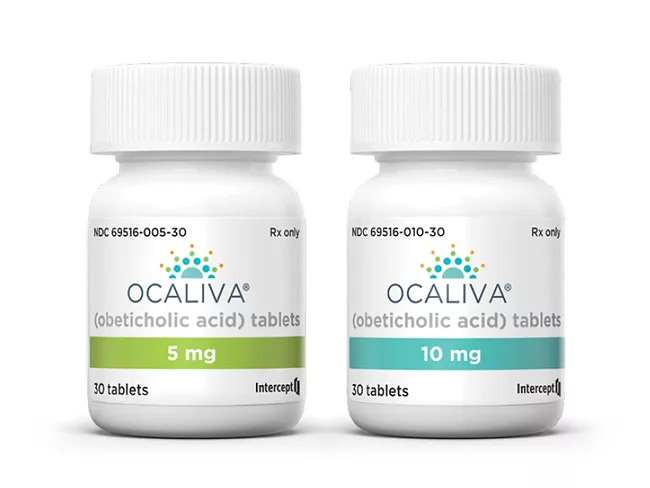
The conditional marketing approval for Ocaliva (obeticholic acid) has been revoked with immediate effect, following a standoff between the EMA and Advanz Pharma Ltd., the company that markets the primary biliary cholangitis (PBC) therapy in Europe. On Sept. 5, London-based Advanz won a short reprieve after challenging the EMA’s June 28 ruling that the marketing authorization for Ocaliva should be revoked, when the General Court of the EU granted a temporary suspension of EMA’s decision. However, on Nov. 27, Advanz announced the court had said it would not be extending the suspension.
Wall Street began comparing and contrasting what’s available after Amgen Inc. rolled out phase II data with weight loss candidate Maritide – a disclosure that led shares of the biotech heavyweight (NASDAQ:AMGN) to close Nov. 26 at $280.01, down $13.99.

 RSS
RSS