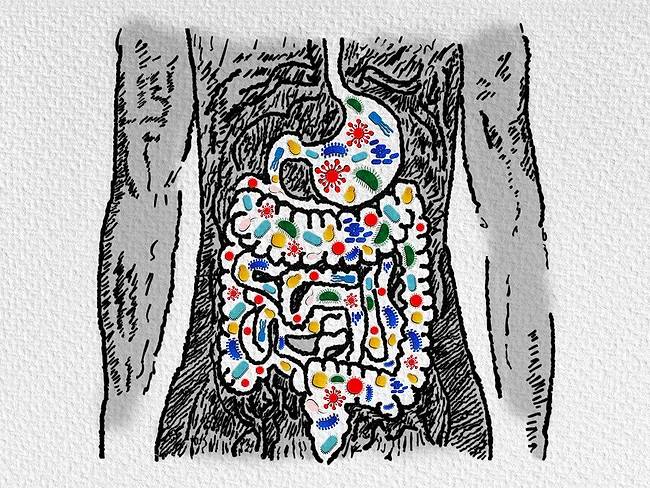
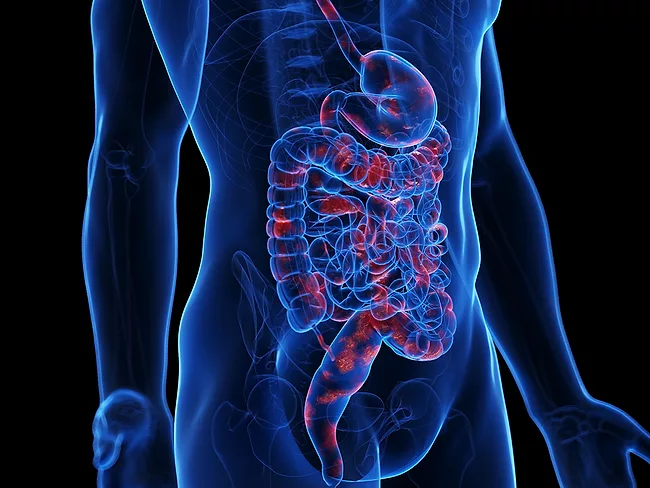
Cancer researchers are increasingly turning to the microbiome to understand why some patients respond well to treatment while others face severe complications. Gut microbial communities shift during intensive therapies such as bone marrow transplantation, and those changes influence infection risk, immune recovery and long‑term survival. New advances in microbial sequencing and engineering redefine this community as a measurable clinical parameter that can be monitored, modeled, and even therapeutically reshaped to improve outcomes in oncology and other conditions.
While the emergence of immune checkpoint inhibitor (ICI) therapy in recent years has significantly improved cancer outcomes, some patients have been unable to experience the full therapeutic benefits of ICIs due to significant gastrointestinal inflammation linked to treatment. Seres Therapeutics Inc. is looking to change that with its live biotherapeutic candidate, SER-155, offering impressive findings from phase I data in ICI-related enterocolitis, or irEC.
Tvardi Therapeutics Inc. rebounded from a phase II blowup last fall in idiopathic pulmonary fibrosis (IPF) with oral STAT3 inhibitor TTI-101 by showing that a next-gen phosphate prodrug dubbed TTI-109 kept its potency in phase I without gastrointestinal (GI) troubles.
Wall Street breathed easier, and shares of Abivax SA found relief as further phase III data from the Abtect maintenance trial were disclosed with obefazimod in ulcerative colitis (UC).
While the U.S. Supreme Court made it clear earlier this month in Hikma v. Amarin that skinny labels are still on the board for generics, the court didn’t resolve all disagreements over the generic carveouts.
The gut microbiota may be altered in people with depression as a result of treatment. These microorganisms reorganize differently in individuals who respond to therapy. In a multiomics study of antidepressant-naive patients presented at the 2026 World Congress of Neuropsychopharmacology (CINP), scientists from National Taiwan University found that patients who improved after antidepressant treatment maintained a more balanced and functional microbial ecosystem, recovered beneficial metabolites, and displayed blood-based biological signals that aligned with these changes.
Spyre Therapeutics Inc.’s striking “two for two” data on ulcerative colitis (UC) candidates, SPY-001 and SPY-002, drew applause from multiple analysts, putting eyes on the Boston biotech’s upcoming top-line data of anti-IL-23 antibody SPY-003 – the third biologic module in a six-strong inflammatory bowel disease (IBD) lineup.
Liraglutide, a glucagon-like peptide 1 (GLP-1) receptor agonist used in diabetes and obesity, could alleviate depression through a pathway that does not depend on the GLP-1 receptor but instead on the gut microbiota, since the treatment increases the presence of the bacterium Lactobacillus delbrueckii.
The microbiome and a frontline innate antimicrobial sensor, Toll-like receptor 5 (TLR5), play an essential role in the development of idiopathic pulmonary fibrosis (IPF). A scientific collaboration led by researchers at the National Institute of Environmental Health Sciences has revealed how TLR5 protects against fibrosis through its ability to modulate the lung microbiome. Their study also shows that activating TLR5 protects against fibrosis and corrects pulmonary dysbiosis.
Genome-wide association studies (GWAS) have identified multiple loci associated with complex diseases, but these are mostly on regulatory genes in the non-coding part of the genome and it has proved difficult to identify the effector genes that they control. Now, researchers in the U.K. have shown how single cell sequencing at scale can be used to precisely link non-coding GWAS loci to specific protein coding genes and cell types.
 RSS
RSS