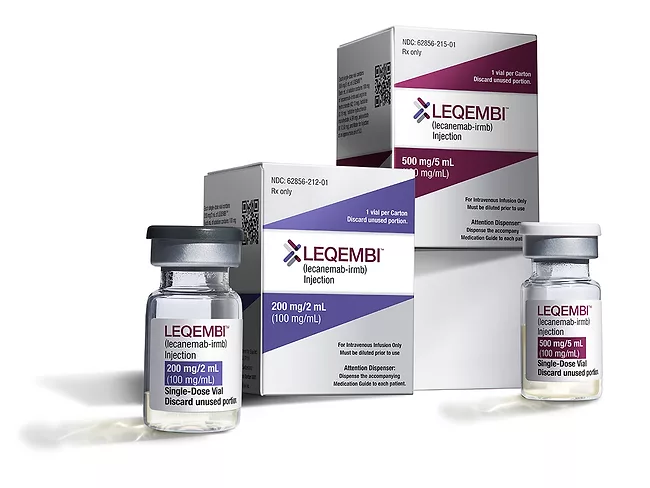
The EMA’s Committee for Medicinal Products for Human Use (CHMP) recommended approval of 14 drugs and the extension of the label of 11 others at its July meeting, but, inevitably, it was the decision to turn down the Alzheimer’s disease therapy Leqembi (lecanemab) that stirred the greatest reaction.
Astellas Pharma Inc.’s claudin (CLDN) 18.2-targeted monoclonal antibody, zolbetuximab, received a positive opinion from the EMA’s Committee for Medicinal Products for Human Use (CHMP) and could be the first CLDN18.2 molecule to be approved in Europe if it receives final approval.
Another failure with allosteric tyrosine kinase 2 (TYK2) inhibitor VTX-958 put an end to internal work with the compound, and shares of Ventyx Biosciences Inc. (NASDAQ:VTYX) fell July 29 to $2.24, down 71 cents or 24%, after the firm disclosed results from the phase II, 109-subject trial in moderately to severely active Crohn’s disease (CD).
Ensho Therapeutics Inc. launched in July after licensing a pipeline of four oral α4β7 inhibitors for inflammatory and gastrointestinal disorders, including inflammatory bowel disease (IBD), from EA Pharma Co. Ltd. “Millions of people worldwide are living with IBD,” Ensho founder, president and executive chair Neena Bitritto-Garg recently told BioWorld, “and while there are a number of approved medications to address the symptoms of IBD, it remains a difficult-to-treat disease with high relapse rates for a considerable proportion of patients.”
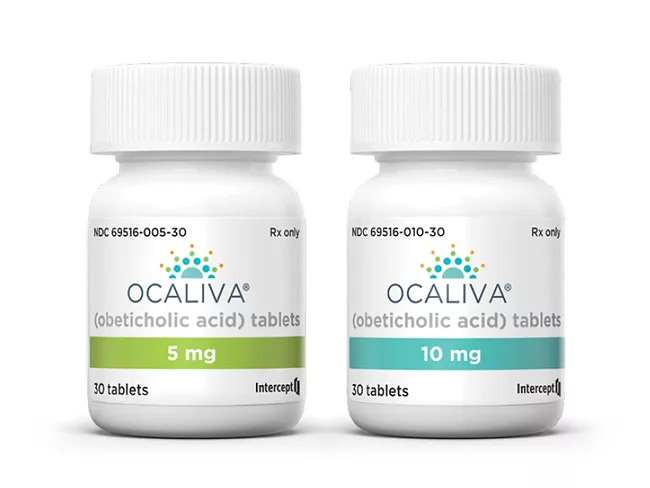
Those affected by primary biliary cholangitis (PBC) are fighting back against the recommendation by the EMA that the marketing authorization for Ocaliva (obeticholic acid), a second-line treatment used by 7,000 patients in Europe, be withdrawn. Earlier today, July 25, patients and their supporters staged a protest outside the European Commission building in Brussels to oppose EMA’s position that Ocaliva’s conditional license should be revoked.
In the third-largest acquisition announced this year, pharma giant Eli Lilly and Co. is buying oral integrin therapies developer Morphic Holding Inc. for $3.2 billion. Morphic stock (NASDAQ:MORF) got a tremendous boost from the acquisition, with shares closing 75% upward at $55.74 each on July 8, the day the deal was announced.
Two drugs were pushed back by the EMA last week, with a recommendation that Ocaliva, currently the only second line standard of care for treating primary biliary cholangitis, be withdrawn from the market, and a refusal to grant conditional approval for masitinib in the treatment of amyotrophic lateral sclerosis.
Positive top-line results from Calcimedica Inc.’s placebo-controlled phase IIb of Auxora in acute pancreatitis couldn’t support the stock for the day. The selective small-molecule inhibitor of Orai1-containing calcium release-activated calcium (CRAC) channels hit the randomized, double-blind, dose-ranging Carpo study’s primary endpoint, the median time it took to tolerate solid food, as patients who received Auxora had a statistically significant dose response compared to those who received placebo.
Innovent Biologics Inc.’s glucagon-like peptide-1 receptor and glucagon receptor dual agonist, mazdutide, saw 80% reduction in liver fat content in patients with more than 10% liver fat content in the phase III Glory-1 obesity trial.
For the time being, Madrigal Pharmaceuticals Inc.’s Rezdiffra (resmetirom) stands alone as the only U.S. FDA approved treatment for treating nonalcoholic steatohepatitis (NASH). But new and positive data from multiple companies show Madrigal may soon have company.
 RSS
RSS