Zag Bio Inc. came out of stealth mode with $80 million in funding so far, including a recently closed series A financing, to develop its platform for autoimmune diseases using drugs targeted to the thymus where thymic regulatory cells are produced.
University of Basel and NXI Therapeutics AG have jointly patented compounds targeting bromodomain-containing protein 3 (BRD3; RING3-like protein) to inhibit expression of coronin-1. They are described as potentially useful for the treatment of transplant rejection, autoimmune diseases, inflammation, infections and lymphoproliferative disorders.
Dianthus Therapeutics Inc. has joined the recent trend of companies licensing therapies in development from China. The company will pay as much as $1 billion to Nanjing Leads Biolabs Co. Ltd. for DNTH-212, a bifunctional BDCA2 and BAFF/APRIL inhibitor to treat autoimmune disorders. The payment comprises $30 million up front and some near-term milestones, plus an $8 million milestone for getting a phase I study underway. Leads Biolabs is in line to bring in another $962 million in milestones and royalties.
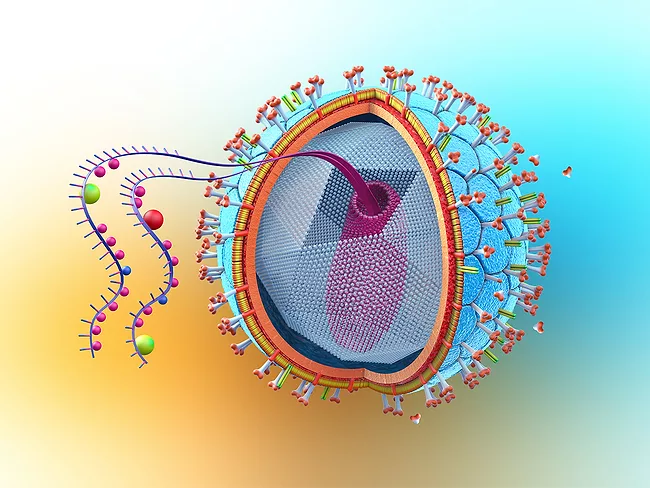
In vaccine development, one might think that targeting multiple epitopes increases the likelihood of improving outcomes. However, when several immunogens are administered together, the immune system does not always generate antibodies against all of them. Two parallel studies have overcome this challenge by using multiple simultaneous immunogens against HIV, effectively triggering various types of broadly neutralizing antibody (bnAb) precursors in two different preclinical animal models.
Moonlight Therapeutics Inc.’s IND application for MOON-101 has been cleared by the FDA, paving the way for a first clinical trial in adults and children with peanut allergy.
Researchers from Cincinnati Children’s Hospital Medical Center and collaborating institutions in the U.S. have developed a novel approach using allergen-encoding mRNA encapsulated in lipid nanoparticles (LNPs) for both therapy and prevention of allergic responses.
With $70 million in hand, Excellergy Inc. is ready to advance its lead candidate for allergic diseases into clinical trials. The series A round was led by Samsara Biocapital with co-investments from Red Tree Venture Capital and Decheng Capital.
Hinge Bio Inc. has obtained IND approval from the FDA to initiate a phase I study of HB-2198 in patients with the B cell-mediated autoimmune diseases systemic lupus erythematosus (SLE) and lupus nephritis. The trial is expected to open this quarter.
Nilo Therapeutics Inc. has launched with a $101 million series A financing and a focus on harnessing neural circuits to restore immune homeostasis in disease.
 RSS
RSS