Is there a link between cellular senescence and multiple sclerosis (MS) progression? Several presentations at this year’s European Committee for Treatment and Research in Multiple Sclerosis 2025 (ECTRIMS 2025) conference, which ends today in Barcelona, addressed this question.
Aera Therapeutics Inc. has nominated AERA-109, a targeted in vivo CAR T therapy designed to treat multiple B cell-mediated autoimmune diseases, as the company’s first development candidate. AERA-109 leverages Aera’s proprietary targeted lipid nanoparticle (tLNP) delivery platform and CAR T technology.
Clarivate plc has unveiled the 2025 Citation Laureates. Widely considered a predictor of the Nobel Prizes, this recognition has highlighted the discovery of biomolecular condensates in chemistry and the innate immunity signaling pathway in physiology or medicine, as well as the identification of leukemia stem cells and ghrelin, the so-called hunger hormone.
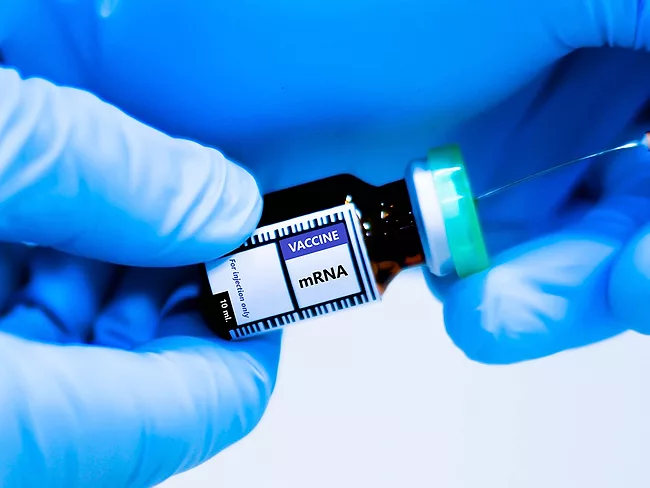
GC Biopharma Corp. has filed an IND application with the South Korean Ministry of Food and Drug Safety (MFDS) for a phase I trial of GC-4006A, an mRNA vaccine candidate for COVID-19.
The FDA has cleared HDT Bio Corp.’s IND application for HDT-321, a first-in-class prophylactic designed to protect against Crimean-Congo hemorrhagic fever (CCHF).
Dualitas Therapeutics Inc. exited stealth mode with a $65 million series A investment that was co-led by Versant Ventures and Qiming Venture Partners USA.
When Robert Kennedy Jr. announced the cancellation of 22 projects related to mRNA vaccines and the end of new investments in that technology, the U.S. Secretary of Health only mentioned their use against respiratory viruses, without referring to other applications. The vaccines whose safety and effectiveness Kennedy is questioning are based on the same molecular principles as cancer vaccines under development. “Continued investment in mRNA technology is essential to fully realize its potential in oncology and ensure that promising strategies like neoantigen-based vaccines reach clinical application.” Kazuhiro Kakimi, professor at the Department of Immunology at Kindai University Faculty of Medicine, told BioWorld.
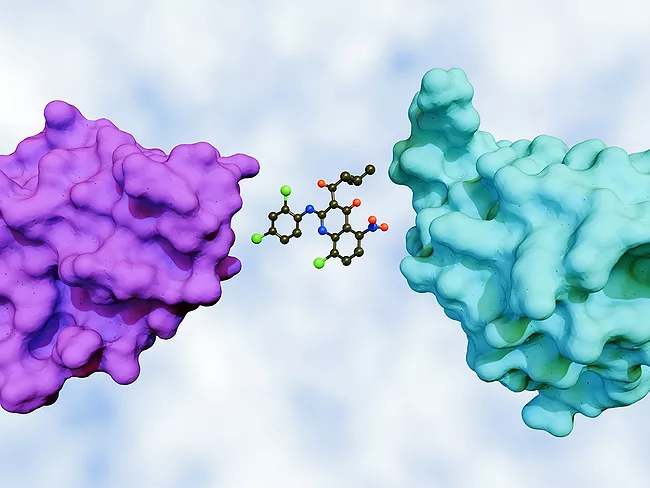
In its second deal with Novartis AG of the past 11 months, Monte Rosa Therapeutics Inc. is getting $120 million up front to collaborate on developing molecular glue degraders to treat immune-mediated diseases. The agreement could swell to $5.7 billion for Monte Rosa.
Auravax Therapeutics Inc. has received funding from the Gates Foundation to evaluate the efficacy of Nanosting-001 in validated swine models of influenza infection at Kansas State University College of Veterinary Medicine and The Pirbright Institute.
 RSS
RSS