Newco Kyron Bio is showing its colors after sealing a research agreement with Servier SA, underpinning a claim that it has overcome one of the longest-running challenges of the biotech industry, and developing technology to precisely control the glycosylation of therapeutic proteins.
Excellergy Inc. has presented data for Exl-111, an investigational allergic effector cell response inhibitor (ECRI) targeting the IgE axis that is designed to disarm allergic effector cells at the source of activation.
The activation of mast cells in the lungs and skin is involved in diseases such as asthma and chronic spontaneous urticaria, where the KIT receptor tyrosine kinase is a key regulator of mast cell function.
A study involving a small cohort of women who have received womb transplants has cast fresh light on how the immune system shapes pregnancy outcomes, opening up new avenues of research into implantation failure, preeclampsia and preterm birth. Using an array of single cell analyses, scientists at the University of Alabama at Birmingham (UAB) studied the composition and gene expression profiles of immune cells in tissue samples from five women who had received womb transplants.
Humanwell Healthcare (Group) Co. Ltd. has divulged molecular glue degraders comprising cereblon (CRBN)-binding agents acting as proto-oncogene Vav (VAV1) degradation inducers. They are reported to be useful for the treatment of autoimmune disease, cancer, inflammatory bowel disease, multiple sclerosis, myasthenia gravis, periodontitis, psoriasis, rheumatoid arthritis and type I diabetes, among others.
Atopic dermatitis (AD) is an inflammatory skin disease accompanied by pruritus, for which IL-13 and IL-31 are clinically validated targets. Earendil Labs Inc. has developed a bispecific antibody targeting both IL-13 and IL-31, HX-16108, with an extended half-life.
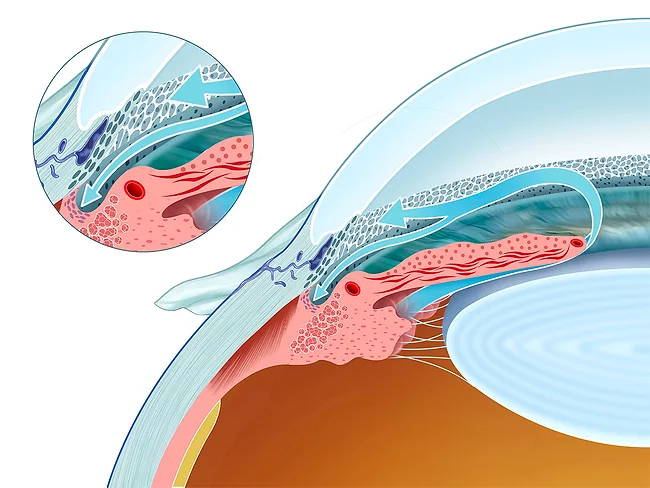
Scientists at Duke University have uncovered how macrophages help maintain intraocular pressure and have found that a specific type, resident macrophages, is essential for proper drainage of intraocular fluid. When these cells are removed, drainage becomes impaired and intraocular pressure rises, contributing to the development of glaucoma.
Aiming to develop a vaccine candidate against human adenovirus-55 (HAdV-55) infections, researchers from the First Affiliated Hospital of Guangzhou Medical University (China) and collaborators have generated a replication-incompetent rAd55-5E4.
The signaling axis orchestrated by OX40L-OX40 is a T-cell costimulatory pathway implicated in multiple autoimmune diseases, such as atopic dermatitis (AD). Antibodies targeting this pathway have proven useful at treating AD in the clinical setting. Earendil Labs recently presented data regarding HXN-1021, an anti-OX40L antibody with potent activity and extended half-life, in vivo.
Scientists from Fu Wai Hospital of the Chinese Academy of Medical Sciences and Shenzhen Bay Laboratory have divulged cAMP-specific 3',5'-cyclic phosphodiesterase 4B (PDE4B) inhibitors. They are reported to be useful for the treatment of autoimmune diseases, cancer, neurological disorder, diabetes, inflammatory bowel disease, pulmonary fibrosis, psoriasis and arthritis, among others.
 RSS
RSS