Benevolentai Ltd. has signed a strategic collaboration with Merck KGaA to identify novel drug candidates, initially for three targets in oncology, neurology and immunology.
Magnet Biomedicine Inc. emerged from stealth mode and pulled down a $50 million series A round co-led by founding investor Newpath Partners alongside Arch Venture Partners. The firm is advancing molecular glue discovery by way of rational selection and design, looking past known protein-protein interactions and what Magnet calls “tangential” degradation approaches to analyze the broader protein landscape and ultimately pair targets with rationally chosen presenters in the tissue where the disease manifests.
Evaxion Biotech A/S has announced the initiation of a novel pipeline program, EVX-B3, an artificial intelligence (AI)-designed vaccine candidate against an undisclosed bacterial pathogen. The new vaccine project will be the subject of a co-funded collaboration between Evaxion and an undisclosed partner.
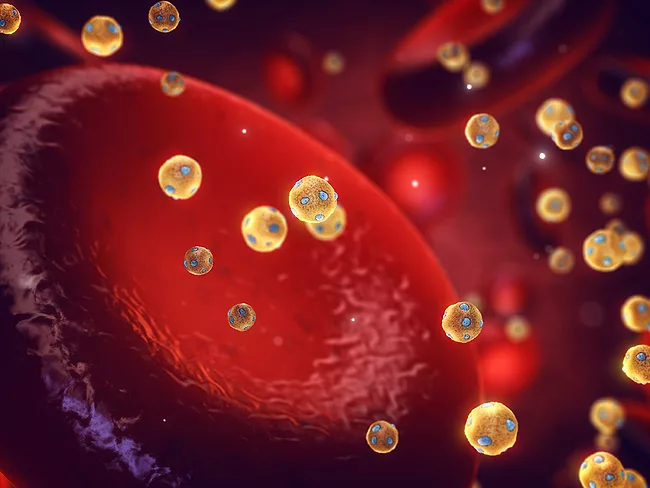
Biontech SE and the Coalition for Epidemic Preparedness Innovations (CEPI) have established a strategic partnership to advance mRNA-based vaccine candidates with the development of BNT-166 for the prevention of mpox (formerly monkeypox).
Research at Sunshine Lake Pharma Co. Ltd. has led to the identification of Toll-like receptor 8 (TLR8) agonists reported to be useful for the treatment of multiple sclerosis, allergy, cancer, influenza, hepatitis B virus, hepatitis C virus, herpes virus, and HIV infections, among others.
Lipids are “very diverse, but also vastly understudied,” Anne Brunet told the audience at the recent meeting on Aging Research and Drug Discovery. Advances in the ability to predict protein structures have fueled a much better understanding of the human proteome and its estimated 20,000 members. The lipidome is much larger, numbering maybe 100,000 total. And what those lipids do remains much more fuzzy. “Very little is known about their function, and especially their function during aging,” Brunet said. Slowly, however, technological advances are enabling researchers to understand the roles of lipids as well.
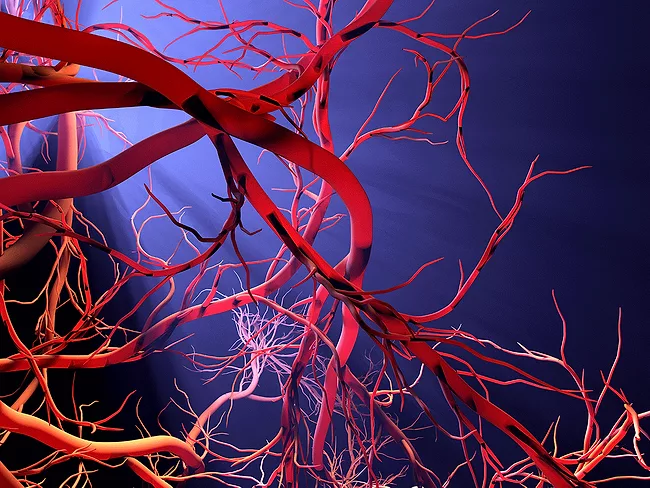
Regenerative tissue developer Humacyte Inc. has posted positive top-line phase II/III results for its Human Acellular Vessel, a tissue-engineered graft consisting entirely of decellularized extracellular matrix, for vascular trauma repair. The data showed higher rates of patency, a measure of the lack of vascular obstruction, when compared to synthetic graft benchmarks.
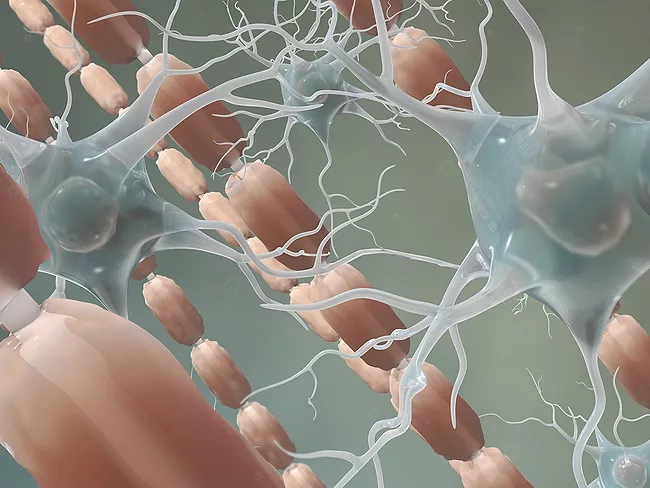
In multiple sclerosis (MS), macrophages and microglia play a dual role that could be used to treat this neurodegenerative disease. These cells promote inflammation that demyelinates neurons but also sweep away the debris of damaged myelin and produce neurotrophic factors that would allow its restoration. According to a group of scientists from the University of Hasselt in Belgium, damage or repair depends on a double switch that combines the action of two enzymes, one that desaturates and another that elongates fatty acids. By reducing the levels of these enzymes, phagocytic cells would replenish the myelin instead of engulfing it.
The interleukin-17 (IL-17) family is involved in innate immunity regulation and plays a crucial role in inflammatory and autoimmune disorders by sustaining inflammation during the onset and progression of diseases such as rheumatoid arthritis (RA), psoriasis or inflammatory bowel disease (IBD). Researchers from the University of Naples have reported on a new biological entity, Ab-IPL-IL-17, that displays potent anti-inflammatory activity in preclinical testing.

 RSS
RSS