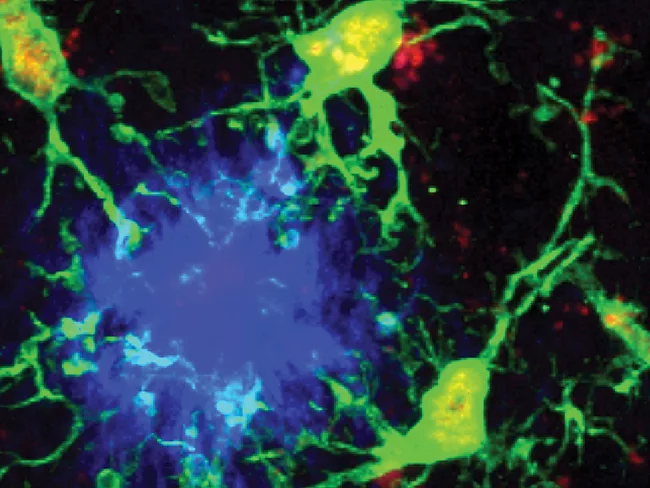
In Alzheimer’s disease, microglia act as a double-edged sword. They can either protect the brain or worsen the damage, depending on their activation state. Inflammatory activation harms healthy neurons. However, a study reveals that a special type of microglia expressing specific receptors and behaving like T cells may help mitigate this neurodegenerative condition.
A primary endpoint failure but with outstanding estimated glomerular filtration rates and impressive safety data in the phase II trial called Bestow are adding up to plans for later-stage work with Eledon Pharmaceuticals Inc.’s tegoprubart (tego) for preventing rejection in de novo kidney transplant.
Takeda Pharmaceutical Co. Ltd.’s anti-CD38 antibody, mezagitamab (TAK-079), sustained kidney function up to 18 months after treatment ended in patients with primary immunoglobulin A (IgA) nephropathy, showing early signs of disease modification in a phase Ib study presented at the American Society of Nephrology’s Kidney Week 2025 in Houston.
San Francisco Bay Area researchers from UC Berkeley, UC San Francisco and Stanford University have combined their technologies to create Azalea Therapeutics Inc., a company focused on editing cells in vivo.
Jiangsu Hansoh Pharmaceutical Group Co. Ltd. and Shanghai Hansoh Biomedical Co. Ltd. have divulged pentacyclic derivatives reported to be useful for the treatment of autoimmune disease.
Celltrion Inc. scored a hat-trick of deals to license new antibody candidates, including a $744 million deal with Kaigene Inc. Nov. 3, and a near $500 million deal with Mustbio Co. Ltd. Oct. 31.
Boehringer Ingelheim Pharma GmbH & Co KG and CDR-Life Inc. have entered into a new global licensing agreement to develop CDR-111 for autoimmune diseases.
Qyuns Therapeutics Co. Ltd. signed a potential $1.07 billion license deal with Roche Holding AG, granting the latter exclusive rights to QX-031N – a human thymic stromal lymphopoietin and interleukin-33)-targeting bispecific antibody.
Boehringer Ingelheim GmbH has licensed an unnamed small-molecule preclinical candidate from Kyowa Kirin Co. Ltd. in the autoimmune disease space in a deal worth up to €640 million (US$739 million).
 RSS
RSS