Nrx Pharmaceuticals Inc. has announced FDA clearance of its IND application for the use of NRX-101 (lurasidone hydrochloride/D-cycloserine) for the treatment of complicated urinary tract infections (cUTI).
Recce Pharmaceuticals Ltd. has announced preclinical results from an in vivo study evaluating the antibacterial efficacy of its lead synthetic anti-infective candidate, R-327 (RECCE-327), against Neisseria gonorrhoeae in a mouse vaginal infection model.
The Novo Nordisk Foundation is committing up to DKK1.8 billion (US$260 million) to establish a research and vaccine development initiative that aims to create new or improved vaccines for respiratory diseases, including tuberculosis (TB) and influenza.
Leishmaniasis is a vector-borne infectious disease caused by several protozoan Leishmania species with diverse clinical manifestations and limited treatment options to date. Researchers at Drugs for Neglected Diseases initiative have reported on the discovery and preclinical characterization of DNDI-6174, a novel inhibitor of the Leishmania cytochrome bc1 complex.
Gilead Sciences Inc. has synthesized indoline compounds acting as viral replication inhibitors reported to be useful for the treatment of herpes simplex virus infection and herpes simplex virus encephalitis.
Ginkgo Bioworks Inc. has received a grant from the Bill & Melinda Gates Foundation to develop a novel cell-based technology for improving protein therapeutics delivery for patients in low- and middle-income countries.
Merck Sharp & Dohme LLC has divulged compounds acting as lipid A export ATP-binding/permease protein (MsbA) inhibitors reported to be useful for the treatment of gram-negative (multidrug-resistant) bacterial infections.
The emergence of Staphylococcus aureus strains resistant to almost all approved antibiotics in the clinic poses an urgent public health concern. Thus, new antibiotics exploiting alternative antibacterial mechanisms or molecular structures are critically needed to address the long-term threat of multidrug-resistant S. aureus, particularly methicillin-resistant S. aureus (MRSA).
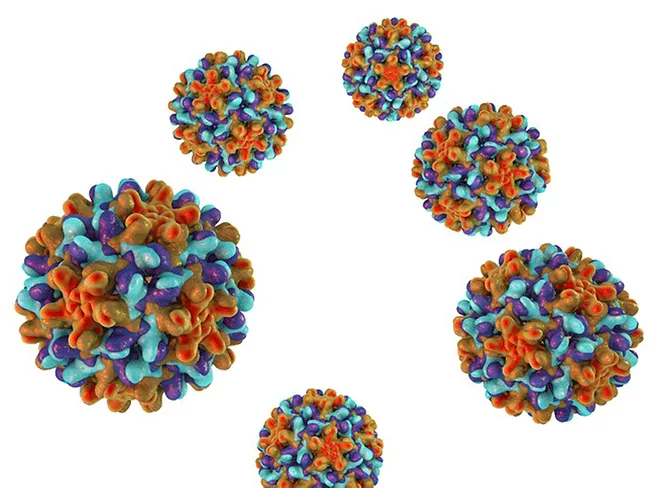
Astrivax NV has been awarded a €3 million grant by Flanders Innovation & Entrepreneurship (VLAIO) to advance development of the company’s therapeutic vaccine targeting chronic hepatitis B.
The Nobel Prize-winning modification that prevents the innate immune system from recognizing injected mRNA as foreign and blocking transcription of the protein it encodes has been found on some occasions to cause ribosomal frameshifting.
 RSS
RSS