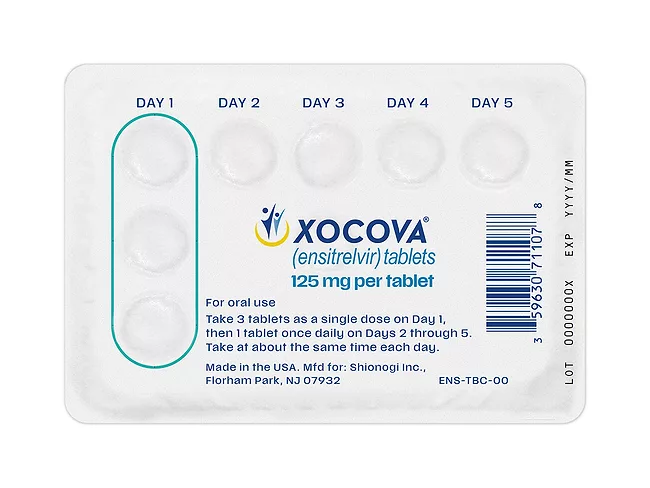
The U.S. FDA approved Shionogi & Co. Ltd.’s Xocova (ensitrelvir) as the first oral post-exposure prophylactic option in the U.S. to prevent COVID-19, with the decision coming ahead of a PDUFA target date of June 16.
Antimicrobial-focused Tennor Therapeutics Ltd. will debut in Hong Kong May 22, having priced a HK$626.84 million (US$80 million) IPO. The Suzhou, China-based biotech is waiting on China’s National Medical Products Administration approval of lead asset rifasutenizol (TNP-2198), which has potential to become the first targeted combination regimen to treat H. pylori infection.
The threat posed by the Ebola outbreak in the Democratic Republic of Congo has intensified, with the confirmation that it is caused by the Bundibugyo species of the virus, for which there are no approved vaccines or antiviral therapies. At the same time, the high positivity rate, with eight laboratory confirmed cases out of 13 samples collected in various areas, and more reports of suspected cases and clusters of deaths, all point to a potentially much larger outbreak than currently is being detected and reported.
On Sunday, May 17th, 2026, the World Health Organization classified the ongoing Bundibugyo ebolavirus outbreak in the Democratic Republic of Congo (DRC) as a public health emergency of international concern (PHEIC). The rapid escalation to PHEIC is due to several factors. Given the high number of cases, the outbreak has likely been going undetected for some time, and may be a “much larger outbreak than what is currently being detected and reported, with significant local and regional risk of spread,” according to the WHO statement. The outbreak appears to already have crossed the border from the DRC into Uganda at least twice. And all this is happening with a virus for which there are no approved treatments or vaccines.
The threat posed by the Ebola outbreak in the Democratic Republic of Congo has intensified, with the confirmation that it is caused by the Bundibugyo species of the virus, for which there are no approved vaccines or antiviral therapies. At the same time, the high positivity rate, with eight laboratory confirmed cases out of 13 samples collected in various areas, and more reports of suspected cases and clusters of deaths, all point to a potentially much larger outbreak than currently is being detected and reported.
Singapore’s Communicable Diseases Agency on May 7 said that it isolated two residents for hantavirus testing after the individuals disembarked from an Atlantic cruise ship on May 2 and May 6, respectively. The measure comes in response to the cluster of cases from the cruise ship, MV Hondius, that has resulted in three deaths so far.
Twelve years on from the World Health Organization formally raising the alarm, antimicrobial resistance continues to grow, and despite numerous public and private incentives and initiatives, the pipeline of antibiotics in development is thinner than ever.
In an all-cash transaction valued at €780 million (US$920 million), Asahi Kasei Corp. offered to buy Aicuris Anti-infective Cures AG, expanding its infectious disease portfolio with a marketed cytomegalovirus product and a herpes treatment nearing an NDA.
Shionogi & Co. Ltd. and Fosun Pharmaceutical (Group) Co. Ltd. were involved in separate divestment transactions this week, with Shionogi buying out Pfizer Inc.’s stake in Viiv Healthcare Ltd. to lift its holding to 21.7%.
2025 has been the most challenging year in the efforts to fight HIV since at least the advent of antiretroviral therapy. In a report on “Overcoming disruption, transforming the AIDS response,” released last week ahead of World AIDS Day on Dec. 1, the Joint United Nations Program on HIV/AIDS (UNAIDS) described “a global system in shock” by sharply reduced funding from the U.S. and other wealthy nations. Scientifically, for now, progress is ongoing.
 RSS
RSS