Newco T-Therapeutics Ltd. has raised £48 million (US$59 million) in a series A to advance development of T-cell receptors generated by its transgenic mouse platform for the treatment of solid tumors, autoimmune diseases and infections.
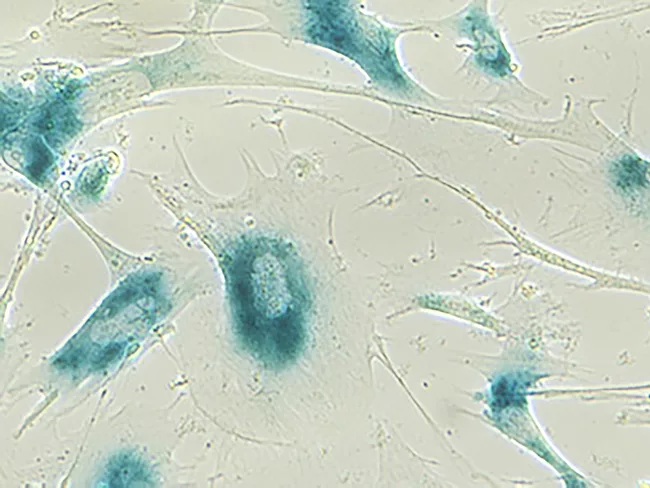
Researchers from the University of Queensland discovered that senolytic therapies can suppress long-COVID neuropathology and long-term disorders caused by viral infections by reducing senescent cells, thereby reducing inflammation. Published Nov. 13, 2023, in Nature, the study examined the use of human pluripotent stem cells to generate small mini human brain organoids to screen for antiaging interventions called senolytics that selectively eliminate senescent cells that accumulate with age, lead author Julio Aguado told BioWorld.
After Cormedix Inc. navigated manufacturing issues that slowed the process, the U.S. FDA approved the antibacterial and antifungal solution Defencath to reduce catheter-related bloodstream infections adults with kidney failure.
Aligos Therapeutics Inc. has divulged bicyclic compounds acting as viral replication inhibitors reported to be useful for the treatment of hepatitis B (HBV) and hepatitis D virus infections.
After Cormedix Inc. navigated manufacturing issues that slowed the process, the U.S. FDA approved the antibacterial and antifungal solution Defencath to reduce catheter-related bloodstream infections adults with kidney failure.
Researchers from Aligos Therapeutics Inc. have presented the discovery and preclinical evaluation of a novel next-generation liver targeted PD-L1 small molecule inhibitor, ALG-094103, which is being developed for the treatment of chronic hepatitis B and liver cancer.
It’s known that interferon-alpha (IFNα) activates interferon-stimulated genes (ISGs) and disrupts the hepatitis B virus (HBV) replication cycle. Pegylated (PEG)-IFNα has been widely used for its immunomodulatory and antiviral properties but it is not always well tolerated and thus its use is limited.
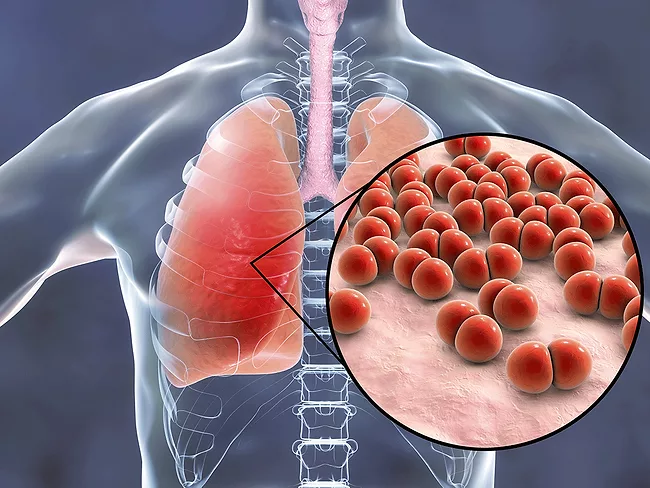
The Innovative Medicines Initiative’s COMBINE (COllaboration for prevention and treatment of MDR Bacterial INfEctions) project is developing a standardized in vivo pneumonia model to test small-molecule antibiotics.
South Korea may soon gain its first domestically developed anthrax vaccine by GC Biopharma Corp., with the Korean biotech having filed Nov. 1 with the MFDS for approval of its novel recombinant protein anthrax vaccine called GC-1109.
The BioWorld Infectious Disease Index (BIDI) jumped 13.04% at the end of January and has been mostly on a downturn since, echoing trends that BioWorld analysis noted last year. BIDI ended October down 47.98%, lower than the Nasdaq Biotechnology Index and the Dow Jones Industrial Average, which were down 12.31% and 0.28%, respectively.
 RSS
RSS