Suzhou Spring-Sea Bio-Pharmaceuticals Co. Ltd. has prepared and tested prodrugs of N4-hydroxycytidine (NHC) that are reported to be useful for the treatment of SARS-CoV-2 infection (COVID-19).
Qilu Regor Therapeutics Inc. has divulged protein-arginine deiminase type-4 (PADI4) inhibitors reported to be useful for the treatment of sepsis, cancer, bacterial, viral infections, inflammatory disorders, autoimmune diseases and metabolic diseases.
Becoming the second approved respiratory syncytial virus (RSV) vaccine for the 60 and older crowd, Pfizer Inc.’s Abrysvo (RSVpreF; PF-06928316) received a U.S. FDA nod on May 31 for RSV lower respiratory tract disease. In February, the agency’s Vaccines and Related Biological Products Advisory Committee voted 7-4 that data support both the safety and efficacy of the vaccine. Behind this approval for the senior population is another potential approval, expected in August, for infants via maternal inoculation.
Insilico Medicine IP Ltd. has synthesized 3C-like proteinase (3CLpro; Mpro; nsp5) (SARS-CoV-2; COVID-19 virus) inhibitors reported to be useful for the treatment of SARS-CoV-2 infection (COVID-19).
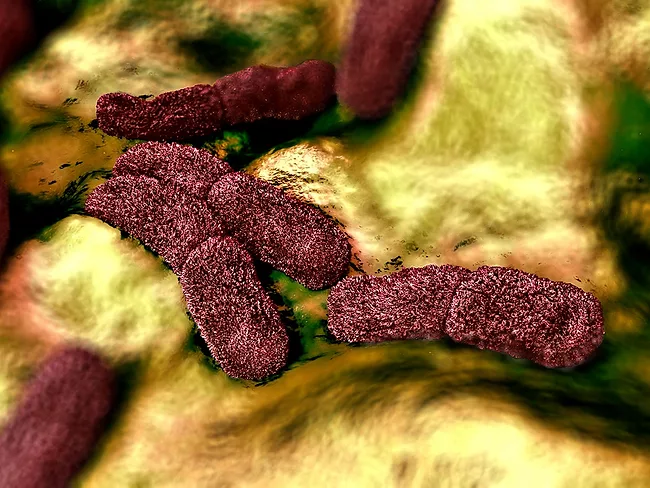
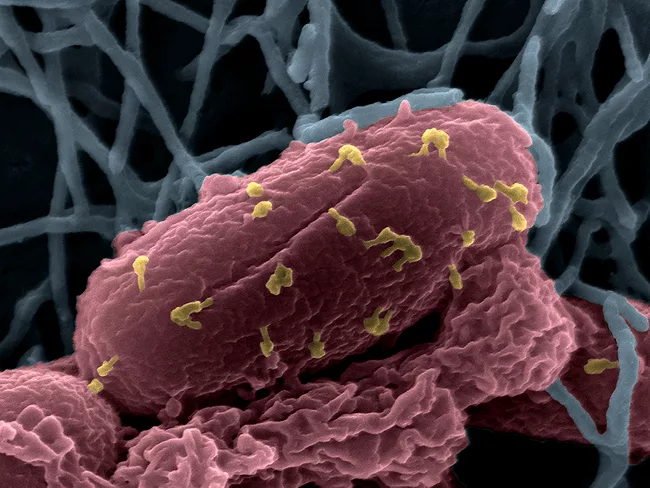
With the rise of antibiotic resistance, treatment options against Yersinia pestis bacteria that cause pneumonic plague could also become limited. Antibody treatment has been effective in animal models of plague, but no approved human vaccine exists against this fatal disease.
Researchers from NYU Grossman School of Medicine reported on a new strategy intended to provide long-term protection against the SARS-CoV-2 virus using an experimental decoy.
Snipr Biome ApS has published initial clinical data showing its Crispr-Cas modified bacteriophage product selectively kills Escherichia coli – including strains that are resistant to antibiotics – with no effect on the rest of the gut microbiome. That paves the way to test Snipr-001 in the prevention of bloodstream infections in hematological cancer patients who, as a result of increased intestinal permeability caused by chemotherapy, are at high risk of gut bacteria getting into the bloodstream.
Aridis Pharmaceuticals Inc. has taken a few knocks in the past year but its new agreement with the U.S. FDA is giving it an opportunity to move forward. The company’s stock (NASDAQ:ARDS) rose 115% on May 31 to close at 39 cents per share as the company and agency agreed on the design of a single confirmatory phase III superiority study of AR-301 (tosatoxumab), an adjunctive therapy for treating pneumonia caused by gram-positive bacteria Staphylococcus aureus in mechanically ventilated hospitalized patients.

 RSS
RSS