Researchers from the University of Florida have published preclinical data for the novel indoleamine 2,3-dioxygenase (IDO) and galectin-3 (Gal3) fusion protein (IDO-Gal3), being evaluated for the treatment of osteoarthritis (OA).
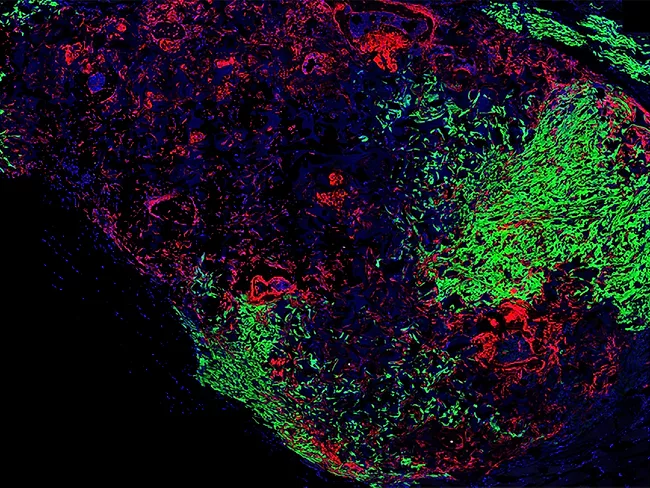
Long bones, vertebrae and skull bones have distinct types of stem cells, and new insights into those stem cells could lead to new ways to treat both rare developmental disorders of skull formation and the all-too-common phenomenon of bone metastases. Scientifically, the work, which was published in two papers by Matthew Greenblatt and colleagues in Nature, adds to the increasing understanding of bone’s complexities. “Bone may serve as an endocrine organ that is secreting factors throughout the body,” Greenblatt said.
Di-cyclopropyl based interleukin-17A (IL-17A) production inhibitors have been reported in a Dice Alpha Inc. patent as potentially useful for the treatment of psoriasis, radiographic axial spondyloarthritis (ankylosing spondylitis), hidradenitis suppurativa, spondyloarthritis, psoriatic and rheumatoid arthritis.
The interleukin-17 (IL-17) family is involved in innate immunity regulation and plays a crucial role in inflammatory and autoimmune disorders by sustaining inflammation during the onset and progression of diseases such as rheumatoid arthritis (RA), psoriasis or inflammatory bowel disease (IBD). Researchers from the University of Naples have reported on a new biological entity, Ab-IPL-IL-17, that displays potent anti-inflammatory activity in preclinical testing.
Astrazeneca AB has synthesized IL-1 receptor-associated kinase 4 (IRAK4) inhibitors reported to be useful for the treatment of cancer, systemic lupus erythematosus, gout, rheumatoid arthritis, psoriasis, Sjögren’s syndrome, myositis and atopic dermatitis, among others.
Boston Immune Technologies and Therapeutics Inc. (BITT) has been awarded funding by the National Institutes of Health (NIH) to support the preclinical development of BITT-101, its CD40 antagonist antibody for treating Sjögren’s syndrome. The award will help support steps toward an IND filing next year.
Researchers at F. Hoffmann-La Roche Ltd. and Hoffmann-La Roche Inc. have synthesized benzimidazole derivatives acting as serine/threonine-protein kinase SIK2 (QIK) and/or SIK1 (SNF1LK) and/or SIK3 (QSK) inhibitors reported to be useful for the treatment of rheumatoid arthritis, juvenile idiopathic arthritis, nonalcoholic steatohepatitis, primary sclerosing cholangitis, inflammatory bowel disease, atherosclerosis, type 2 diabetes and glomerulonephritis, among others.
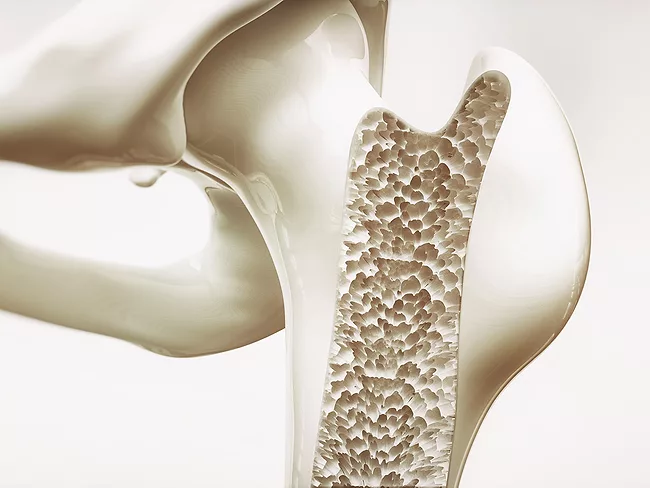
Researchers working at the Lady Davis Institute, Jewish General Hospital, McGill University, have combined whole-exome sequencing (WES) from nearly 300,000 samples from the multiancestry UK Biobank, with ultrasound-derived heel estimated bone mineral density (eBMD) and genome-wide association (GWAS) data to identify potential future therapeutic targets for patients with osteoporosis.

 RSS
RSS