Researchers at Daping Hospital in China have reported that liver-targeted delivery of the APOE3-Christchurch (APOE3Ch) variant, a rare protective form of apolipoprotein E, can indirectly reduce brain pathology, highlighting the therapeutic potential of peripheral approaches to Alzheimer’s disease.
Mobia Medical Inc. began trading on Nasdaq under the ticker MOBI on May 8. The company priced its IPO at the midpoint of its proposed $14 to $16 range, selling 10 million shares at $15 each and raising approximately $150 million. The stock closed at $11.75 its first day of trading, down 21.7%.
Italian family-owned Angelini Pharma SpA is making its first move into the U.S. market, acquiring rare diseases specialist Catalyst Pharma Inc. in an all-cash deal worth $4.1 billion. The acquisition gives Angelini ownership of three marketed drugs for treating epilepsy and neuromuscular diseases that had combined sales of $589 million in 2025, a 19.8% increase over 2024.
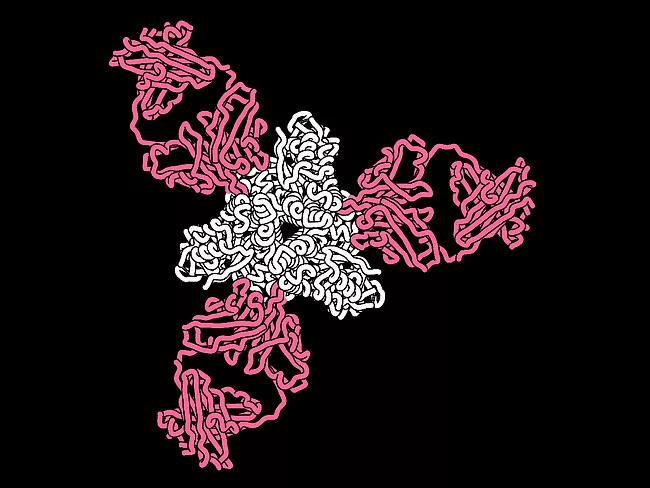
Scientists at the La Jolla Institute for Immunology have identified and characterized human antibodies that neutralize the measles virus by blocking its entry into the cell. This is the first time that antibodies have been shown to bind effectively to two essential viral proteins, creating a dual blockade that prevents infection. Unlike the current vaccine, which is based on an attenuated virus and is not recommended for immunocompromised individuals, these monoclonal antibodies could be used both as a new vaccine approach and as a treatment for the entire population.
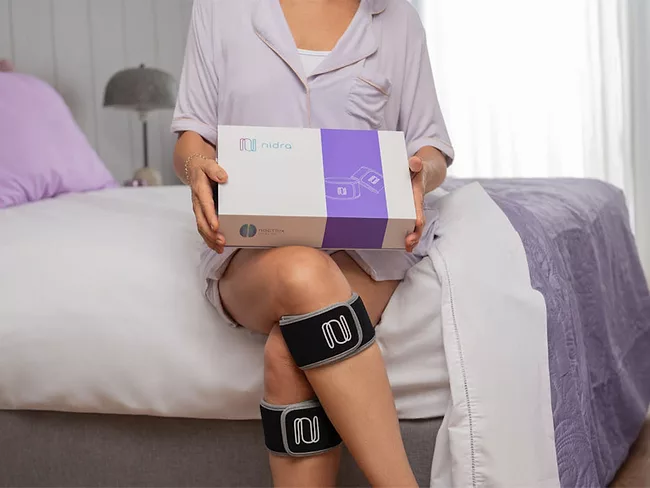
Resmed Corp. has agreed to acquire Noctrix Health Inc. for $340 million, boosting its sleep health portfolio. Noctrix has developed Nidra, a wearable neuromodulation device which treats restless legs syndrome (RLS) without disrupting sleep. With RLS impacting approximately 7% of adults globally, including about 17 million people in the U.S., the technology offers a non-drug option that could potentially treat a significant proportion of this patient population.
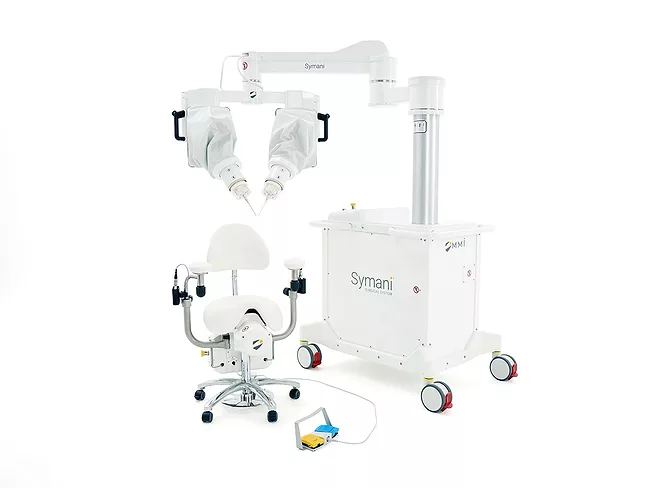
Medical Microinstruments Inc.’s (MMI) Symani surgical system was used to treat a patient with Alzheimer’s disease as part of a study evaluating robotic-enabled microsurgery for the condition. The procedure investigated whether restoring lymphatic drainage pathways in the deep cervical lymph nodes could improve the clearance of harmful neurotoxins believed to contribute to the progression of Alzheimer’s.
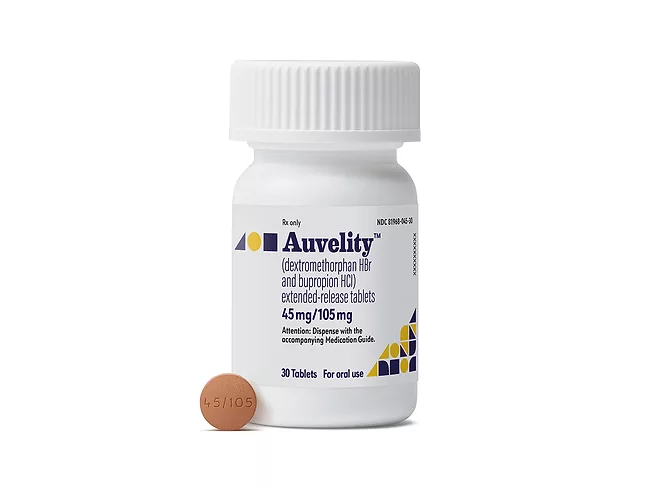
Axsome Therapeutics Inc. won U.S. FDA approval for Auvelity (AXS-05) to treat Alzheimer’s disease agitation, a condition that affects up to three-quarters of patients, gaining access to a $1 billion-plus market and a clean label that counters the boxed warning of a competitor. The agency accepted the supplemental NDA under priority review on Dec. 31, 2025, and the breakthrough therapy approval, specifically for agitation associated with dementia due to Alzheimer’s disease, came on the April 30, 2026, PDUFA date.
Three decades of trial-and-error, and the resulting safety data, in the oligonucleotide-based therapeutic space have paved way for the present-day innovations and the promise of “programmable,” precision medicine for patients, speakers at Bio Korea 2026 said April 28.
What PTC Therapeutics Inc.’s latest data with votoplam might mean in the Huntington’s disease (HD) landscape became grist for Wall Street after the firm unveiled top-line results from the phase II Pivot-HD study, sharing data from the 24-month interim analysis of the long-term extension effort.
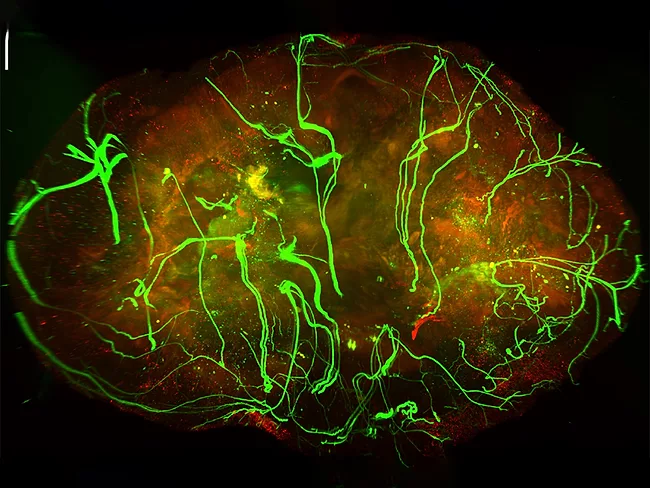
Innervation by the sympathetic nervous system is typically a boon to tumors. But researchers from Weill Cornell Medicine and colleagues have shown that in some cases, the relationship between tumors and the nervous system is more complex. Depending on context, innervation can either assist or obstruct tumor growth. “The nervous system typically has been considered as a driver of cancer growth, but here we’ve found that it can be a brake on cancer growth in some contexts,” said David Simon, an assistant professor of biochemistry and biophysics at Weill Cornell Medicine.
 RSS
RSS