Chinese pharmaceutical and biotech companies are leading development of glucagon-like peptide-1 receptor agonists as Novo Nordisk A/S and Eli Lilly and Co. edge closer to launching blockbuster therapies in China. At the heart of the GLP-1 boom is a nationwide obesity problem driven by a confluence of factors, including the rise of a modern, sedentary lifestyle, according to Clarivate. Despite the rising prevalence of obesity and type 2 diabetes, the gap in obesity therapeutics is “substantial and leaves a solid market opportunity for weight loss drugs,” Karan Verma, principal analyst of healthcare research & data analytics at Clarivate, said.
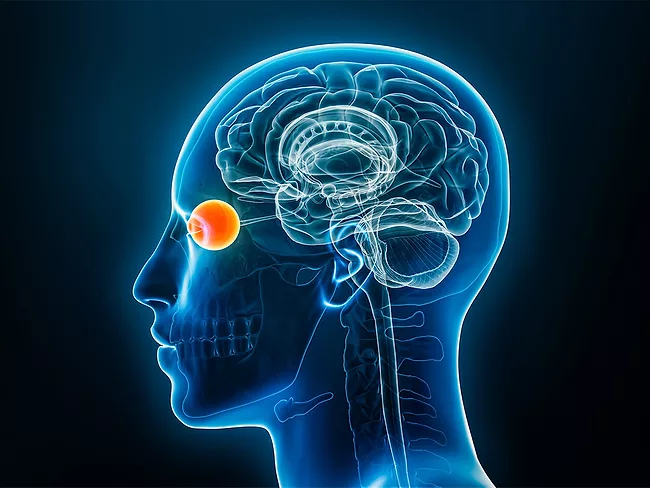
A novel gene therapy that leads to cellular rejuvenation could restore vision after non-arteritic anterior ischemic optic neuropathy (NAION) and glaucoma. The technique is based on a reprogramming process that reverses the epigenetic DNA alterations caused by aging. Preclinical studies in glaucoma mice and nonhuman primates (NHP) models for this stroke-like disorder that affects the eye, showed an improvement of vision and restoration of the damaged axons of the optic nerve.
Two leading glucagon-like peptide-1 (GLP-1) receptor agonists for obesity and type 2 diabetes – Novo Nordisk A/S’s semaglutide (Wegovy/Ozempic) and Eli Lilly and Co.’s tirzepatide (Mounjaro/Zepbound) – are advancing in China after taking the U.S. market by storm. China represents the world’s largest population of diabetes and obesity patients. Its GLP-1 market, valued at about $1.7 billion in 2023 according to Clarivate, is expected to grow as the number of obesity patients is projected to exceed 500 million by 2033.
By looking at the electrical activity of tumor cells, rather than the neurons that innervate them, investigators at Baylor College of Medicine have added both basic and translational insights to the emerging field of cancer neuroscience. In their studies, which were published in Cancer Cell on Sept. 5, 2024, the researchers identified the cell of origin for IDH-mutated gliomas.
Athira CEO Mark Litton said the firm is “evaluating all the options” after disclosing top-line results from its phase II/III Lift-AD clinical trial of fosgonimeton (fosgo), a hepatocyte growth factor-positive modulator, in patients with mild to moderate Alzheimer’s disease (AD). Javier San Martin, chief medical officer, said the company will schedule “a conversation at the right time” with the U.S. FDA.
Sanofi SA’s brain-penetrant Bruton's tyrosine kinase (BTK) inhibitor, tolebrutinib, met the primary endpoint in the phase III Hercules trial in non-relapsing secondary progressive multiple sclerosis (nrSPMS). The first compound to show reduction in disability accumulation in MS, tolebrutinib delayed the time to onset of confirmed disability progression in people with nrSPMS, a population for which there are currently no approved therapies.
After initially reporting that Xanamem failed to meet the primary endpoint in cognitive attention in the phase IIa Xanacidd cognition and depression trial, Actinogen Medical Ltd. CEO Steven Gourlay said a new analysis shows clinically and statistically significant benefits in depression.
Since the publication of The Hallmarks of Aging in 2013, aging research has exploded. The field now has more than 300,000 articles on the biological signals of the effect of time on the body. What would Marty McFly, the legendary character from the Back to the Future saga who traveled with his DeLorean time machine from the ‘80s to the ‘50s, think if he visited 2024 and saw laboratories experimenting with techniques to turn back the biological clocks of cells or increase the lifespan of rejuvenated mice?
Neurocrine Biosciences Inc.’s top-line phase II data, though billed as promising, wasn’t enough to please observers on Wall Street, who stacked the data in schizophrenia with NBI-1117568 (NBI-'568) against others in the space. Shares (NASDAQ:NBIX) closed Aug. 28 at $123.76, down $28.79, or 18.9%.
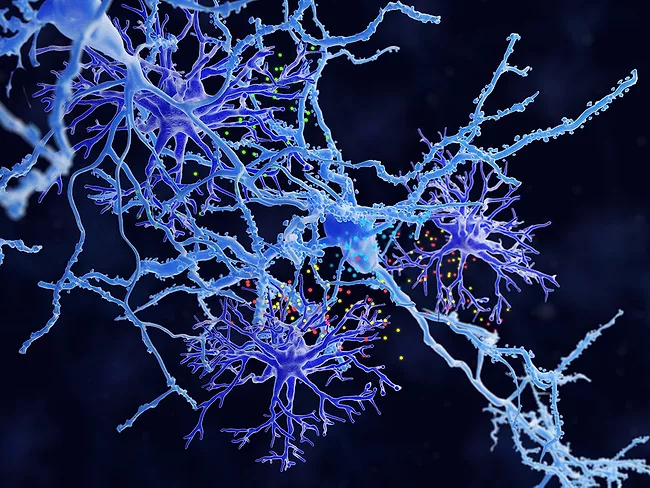
Restoring glucose metabolism in astrocytes, which is impaired in Alzheimer’s disease (AD), has a direct effect on neurons, which replenish their fuel supply and resume synaptic activity. A group of scientists from Stanford University School of Medicine has revealed the pathway that explains where this efflux is interrupted and which molecules restore it in mouse models with amyloid and tau pathology. Their findings could help prevent the progression of this neurodegenerative disease.
 RSS
RSS