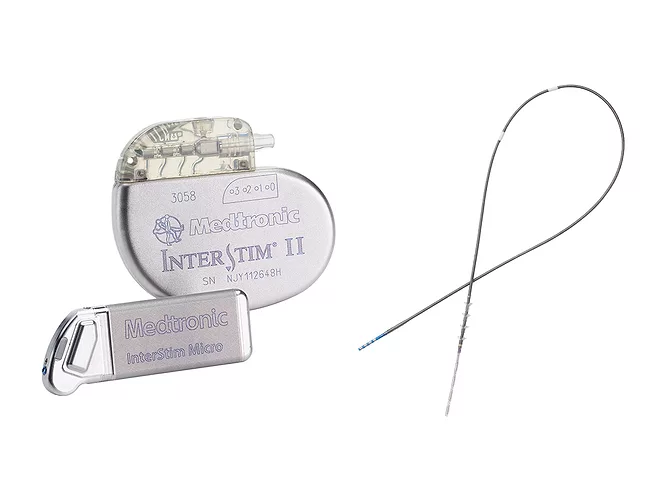
Medtronic plc has won U.S. FDA approval of its Interstim Micro rechargeable sacral nerve stimulator and Interstim Surescan MRI leads for the treatment of urinary and bowel dysfunctions. The new products make Medtronic the only company to offer a choice between rechargeable and recharge-free sacral neuromodulation (SNM) systems, allowing patients to align their treatment with personal lifestyle preferences.
The U.S. FDA expanded the indications for Stryker Corp.’s Neuroform Atlas stent system to include use in the posterior circulation or back of the brain, making the device the only adjunctive stent approved for aneurysms in this challenging location. The Kalamazoo, Mich.-based company’s intracranial coil-assist stent gained its initial indication for the more common aneurysms in the anterior circulation of the neurovasculature in May 2019.
Keeping you up to date on recent developments in neurology, including: Quanterix biomarker technology used to measure neuronal injury in COVID-19 patients; AI could speed up and improve Alzheimer's diagnosis; Mental fatigue of MS linked to inefficient recruitment of neural resources.
More than 70% of individuals using Big Health’s newest digital therapeutic, Daylight, achieved remission of generalized anxiety disorder (GAD) within 10 weeks, and the benefit persisted for at least six months, according to results published in Depression and Anxiety.
CYBERSPACE – Data presented at the virtual 2020 Alzheimer's Association International Conference (AAIC) and reported in the July 28, 2020, online issue of the Journal of the American Medical Association (JAMA) demonstrated that blood levels of phosphorylated tau-217 (Ptau-217) did as well as cerebrospinal (CSF)- and PET-based biomarkers, and significantly better than other blood-based biomarkers, at discriminating individuals with Alzheimer’s disease (AD) from those with other neurodegenerative disorders.
Cancer treatment has been transformed, at its root, by a transformational change in how it is classified. Those successes have not escaped the notice of researchers in other areas of biomedicine, and diseases including heart failure, asthma and polycystic ovarian syndrome are being looked at with an eye to subdividing them in ways that brings diagnostics into the molecular era.
Keeping you up to date on recent developments in neurology, including: Novel drug delivery particles use neurotransmitters as a 'passport' into the brain; SARS-CoV-2 infection of non-neuronal cells, not neurons, may drive loss of smell in patients with COVID-19; Pandemic to accelerate adoption of electronic patient portal for epilepsy.
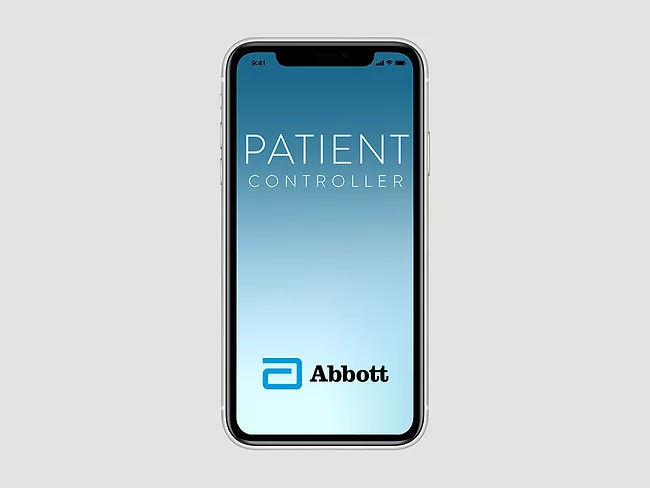
Abbott Laboratories has won the U.S. FDA’s nod for an iOS-compatible app that is designed to optimize care for people using the company’s neuromodulation devices to manage their chronic pain and movement disorders. The digital tool, which can be used on several Apple devices, is part of Abbott’s Neurosphere Digital Care connected care management platform, which launched in May.
HONG KONG – Seoul, South Korea-based 3D inspection device maker Koh Young Technology Inc. is looking to expand into the global market with its neurosurgical robotics system Kymero after securing its first client in its home country in June.
Keeping you up to date on recent developments in neurology, including: Phantom-limb pain reduced through brain-computer interface training; Anxiety, depression in COVID-19 patients with loss of smell and taste; HBOT improves cognitive function of older adults.
 RSS
RSS