Click Therapeutics Inc. and Boehringer Ingelheim GmbH inked a deal valued at more than $500 million to collaborate on the development and commercialization of a prescription-based digital therapeutic for schizophrenia. The mobile application, currently called CT-155, uses cognitive and neurobehavioral techniques to reduce the symptoms of schizophrenia, such as cognitive deficits and impaired social functioning.
Keeping you up to date on recent developments in neurology, including: New molecule restores lost connections in the spinal cord, brain of mice; Brain stimulation reduces dyslexia deficits; Nerivio wearable piloted for relief in patients with chronic migraine.
RapidAI, which focuses on imaging for stroke, has launched the Rapid Web App to help stroke teams stay updated on imaging results and communicate securely. Using the app, team members can receive real-time browser notifications of new cases, preview Rapid results and source files and engage in workflow communications via a desktop or laptop computer.
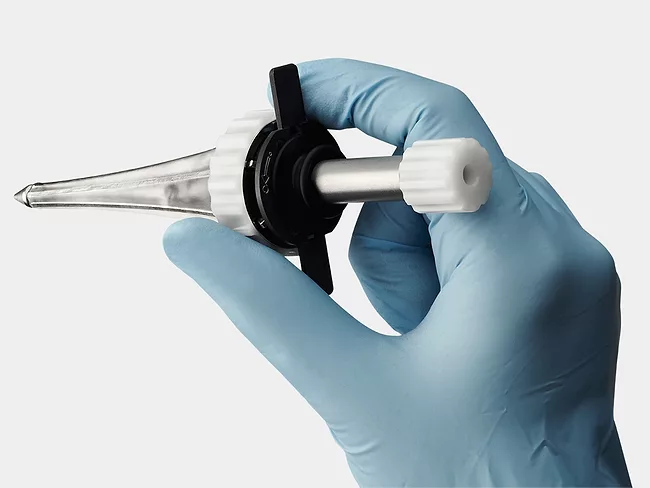
Minnetronix Medical Inc. has won the U.S. FDA’s nod for its Mindseye Expandable Port for neurosurgical procedures. The company touts the device as the first minimally invasive, retractable deep brain access system for use in the treatment of stroke, cancer and other conditions.
Keeping you up to date on recent developments in neurology, including: Sleep quality linked to onset; progression of Alzheimer's; Using magnetic resonance elastography to detect epilepsy; How can hearing loss cause dementia?
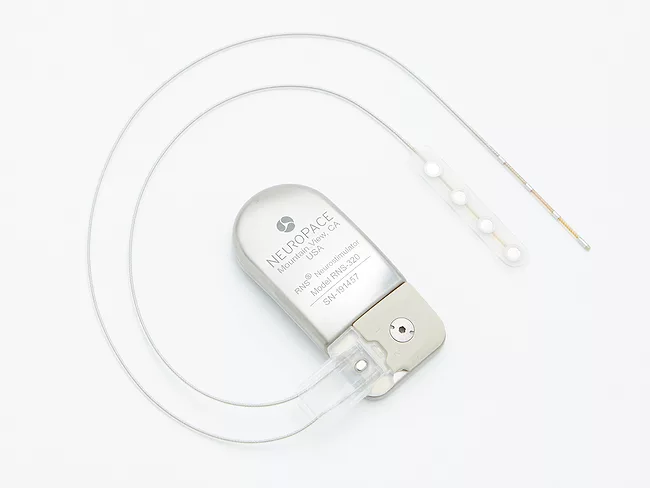
Neuropace Inc. has scooped up $67 million in a financing round that was led by Accelmed Partners. The funds will be used to accelerate commercial growth of its brain-responsive neurostimulator (RNS), as well as to advance new indications for the U.S. FDA-cleared system.
The FDA came through at last for Athlone, Ireland-based Innocoll Holdings Ltd., greenlighting the drug-device combo Xaracoll (bupivacaine HCl) for acute postsurgical pain relief for up to 24 hours in adults after open inguinal hernia repair.
Neurovascular bioelectronics medicine company Synchron Inc. has received good news in the form of a breakthrough device designation for its Stentrode. The U.S. FDA granted the designation for the fully implantable medical device that can translate brain activity or stimulate the nervous system from inside a blood vessel. As a bonus for patients, the device does not require open brain surgery. “As this is a first-of-its-kind device, we look forward to working closely with the FDA to prioritize development of the Stentrode and ensure access for patients with paralysis, as well as lay the groundwork for future indications for brain-computer interfaces,” said Thomas Oxley, CEO of Synchron.
Keeping you up to date on recent developments in neurology, including: Blood-based test used to predict who is likely to develop psychotic disorders; Study could lead to more personalized choices for OCD treatment; Nerve cells differ before birth in people with ASD.
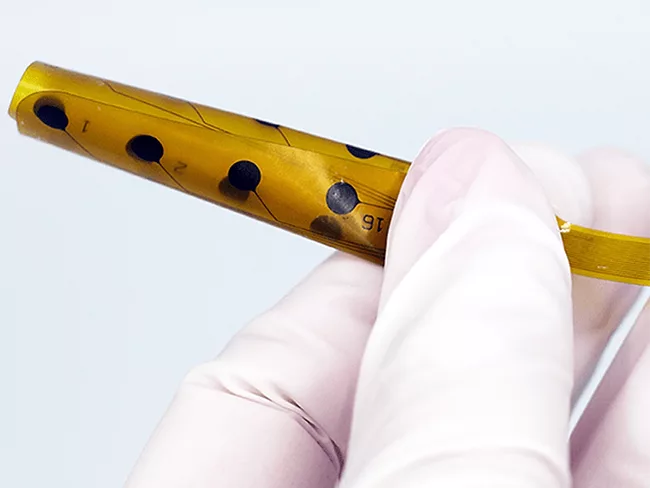
Neuroone Medical Technology Corp.’s thin film, high definition cortical electrode technology, Evo, can record, monitor, ablate, and stimulate brain tissue for up to 30 days, potentially transforming neurosurgical procedures used to treat epilepsy, Parkinson’s disease, chronic pain, and other conditions.
 RSS
RSS