Otsuka Pharmaceutical Co. Ltd. is taking a neuroplastogen approach to posttraumatic stress disorder (PTSD) through its planned $1.22 billion acquisition of Transcend Therapeutics Inc. The deal gives Tokyo-headquartered Otsuka access to Transcend’s lead asset, TSND-201, an oral neuroplastogen that has begun patient recruitment for a phase III study in the U.S.
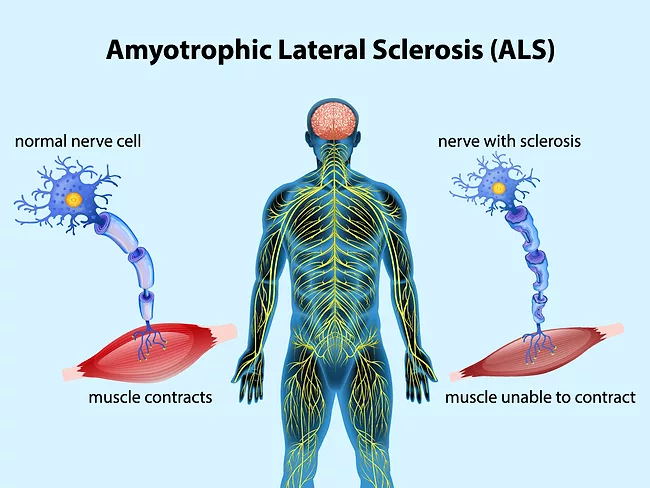
Amyotrophic lateral sclerosis (ALS) is a fatal neurodegenerative disease characterized by the progressive degeneration of motor neurons, leading to muscle wasting and paralysis, among others. Due to its high clinical heterogeneity, effective therapies are still not available.
Parkinson’s disease is a progressive neurodegenerative disorder best known for its motor symptoms. However, a proportion of patients also develop dementia as the condition advances. Yet the biological divide between those who experience this cognitive decline and those who do not has remained an open question. Are they different conditions or simply stages of the same disease?
Microglia play a central role in the neuroinflammation associated with Alzheimer’s disease (AD). At the 20th International Conference on Alzheimer’s and Parkinson’s Diseases (AD/PD), scientists focused on TREM2, a microglial receptor that regulates immune responses, exploring new ways to address neuroinflammation.
As robotic-assisted surgery platforms increasingly demonstrate that they can perform telesurgery safely, the question now is how soon remote operations will become part of routine clinical care. Eduardo Fonseca, CEO of Xcath Robotics Inc., reckons that within a decade the company’s Iris Surgical Robotic System could be in widespread use.
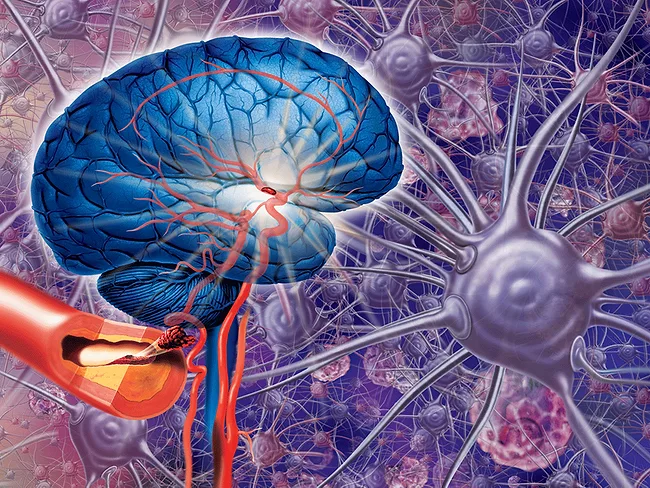
Sichuan Primed Shines Bio-Tech Co. Ltd. researchers have published results on their investigation regarding SYW-06 oral dosing and its impact on cognitive function in monkeys submitted to middle-cerebral artery occlusion (MCAO).
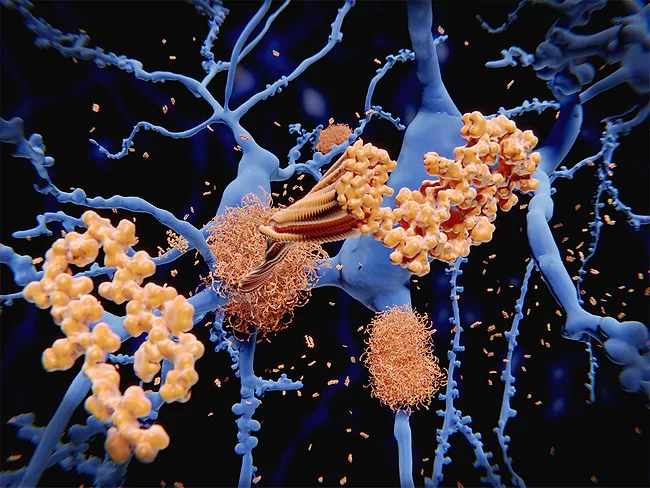
The potent carboxypeptidase enzyme protective protein cathepsin A (PPCA) is known to cleave the C-terminus of amyloid-β42, responsible for aggregation and oligomer stability, and may reduce both intracellular and extracellular amyloid-β aggregates in the brain. Amlogenyx Inc. has presented data regarding their approach based on PPCA delivery through an adenoviral vector (AAV9), namely AM-805, for the potential treatment of Alzheimer’s disease (AD).
Microglia play a central role in the neuroinflammation associated with Alzheimer’s disease (AD). These cells act as the brain’s immune system and respond to damage signals such as amyloid accumulation. When the process starts, the initial microglial response can be protective. However, in later stages, this response becomes dysfunctional and contributes to disease progression. At the 20th International Conference on Alzheimer’s and Parkinson’s Diseases (AD/PD), scientists focused on TREM2, a microglial receptor that regulates immune responses, exploring new ways to address neuroinflammation.
The Institute of Materia Medica Chinese Academy of Medical Sciences and the Peking Union Medical College have reported magnolol/honokiol nitrone derivatives acting as nitric oxide (NO) production inhibitors for the potential treatment of amyotrophic lateral sclerosis, traumatic brain injury, cerebral infarction, autoimmune disease, and respiratory tract and skin inflammation, among others.
 RSS
RSS