Cannabidiol (CBD) is a nonpsychoactive cannabinoid with potential therapeutic use in several diseases such as epilepsy or anxiety, but shows poor solubility, erratic absorption and structural polymorphisms that limit its bioavailability. Researchers from Artelo Biosciences Inc. presented the pharmacokinetic profile of ART12.11, a proprietary co-crystallization of CBD and co-former tetramethylpyrazine (TMP), formulated to achieve improved bioavailability and stability and to overcome polymorphism of CBD.
Scientists at the University of Copenhagen have demonstrated that the trigeminal nerve, a cranial nerve whose activation underlies migraine pain, has direct access to cerebrospinal fluid (CSF) transported by the glymph system. Furthermore, in the run-up to a migraine, levels of multiple proteins in the CSF changed. One of them was calcitonin gene-related peptide (CGRP), a driver of migraine pain and target of several approved drugs for both treatment and prevention of migraine.
NMD Pharma ApS has described chloride channel protein 1 (CLCN1; ClC-1) channel blockers reported to be useful for the treatment of myasthenia gravis, Lambert-Eaton syndrome, critical illness myopathy, amyotrophic lateral sclerosis, spinal muscular atrophy, Guillain-Barré syndrome, post-poliomyelitic and chronic fatigue syndrome, among others.
Less than a month after the U.S. FDA’s Peripheral and Central Nervous System Drugs Advisory Committee handed down a unanimous vote in favor of Eli Lilly and Co.’s Alzheimer’s disease candidate (AD), donanemab, the agency approved the drug as a once-monthly injection for adults with early symptomatic disease. Branded Kisunla, the beta-amyloid antagonist marks the second approved AD drug that has demonstrated in clinical trials an ability to slow cognitive decline, going up against Leqembi (lecanemab) from Biogen Inc. and Eisai Co. Ltd., which won full approval in July 2023, only six months after nabbing an accelerated nod.
At the Congress of the European Academy of Neurology, researchers from Dianthus Therapeutics Inc. presented preclinical data on DNTH-103, a monoclonal antibody engineered to selectively target the active form of complement C1s.
Entheogenix Biosciences Inc. has described 5-HT2A receptor agonists reported to be useful for the treatment of post-traumatic stress, depression and anxiety disorders.
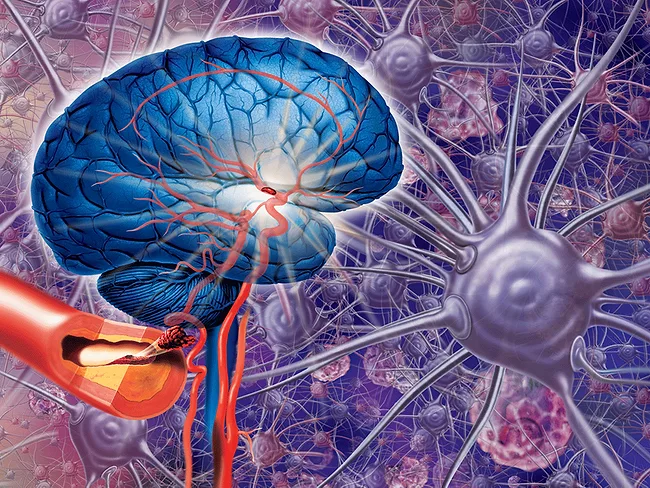
Glycoprotein VI (GPVI) is a platelet collagen receptor involved in platelet activation and an emerging target for treating thrombotic disorders such as ischemic stroke. Data have been presented by University of Würzburg scientists regarding a humanized anti-GPVI Fab antibody, EMA-601, with unprecedented potency in vitro and in vivo.
Alzheimer’s disease (AD) is a neurodegenerative condition in which amyloid plaques and neurofibrillary tangles accumulate in the brain. In addition to genetic factors, DNA damage and epigenetic alterations also play a key role in the pathogenesis and progression of this disease, altering gene expression, the functioning and maintenance of brain cells. DNA double-strand breaks (DSBs) and chromatin accessibility are two hallmarks of AD whose study could reveal new ways of approaching this disease.
Following a data-cleaning delay and mixed results in Alzheimer’s disease, Annovis Bio Inc. reported phase III Parkinson’s disease data showing treatment with buntanetap stops cognitive decline and improves motor and other functions, including postural instability and gait difficulty, meeting all primary and secondary endpoints.
Senya Pharmaceuticals Inc. has described NAD(+) hydrolase SARM1 (SAMD2; MyD88-5) inhibitors reported to be useful for the treatment of neurological disorders.

 RSS
RSS