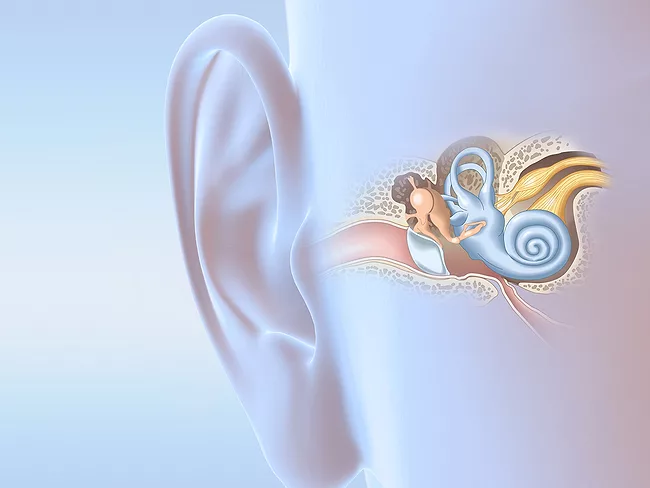
Patients with congenital hearing loss could benefit from a gene therapy currently in development. Although there are approaches that could reverse the process in children and young people before it becomes severe, so far, adults do not have any treatment that prevents the progressive deterioration of auditory sensory cells caused by this disease.
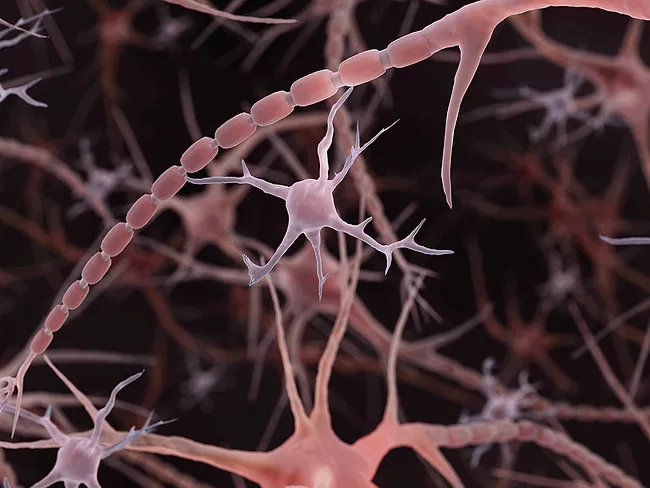
Researchers from the Chinese Academy of Sciences evaluated the highly potent and selective inhibitor of the second bromodomain (BD2) of the bromodomain and extra-terminal (BET) family of proteins, ABBV-744, with the aim of assessing its preclinical efficacy and exploring the pathways by which the compound regulates microglia-mediated neuroinflammation.
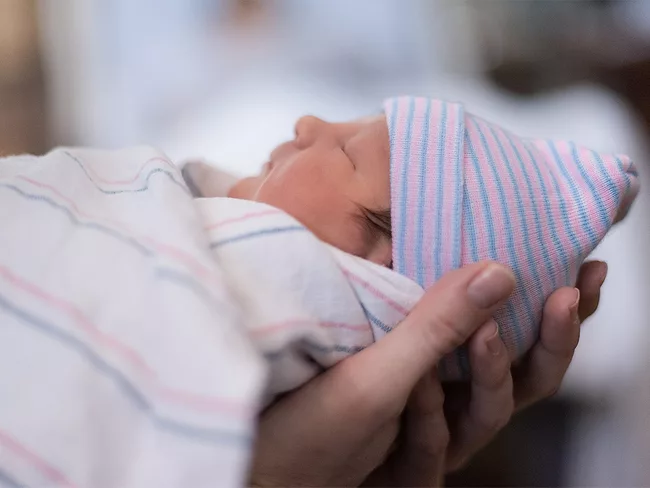
One of the most common causes of adverse neurological disabilities in newborns is neonatal hypoxic-ischemic encephalopathy. Therapeutic hypothermia (TH) is the standard therapy, but it is not efficient in all cases. Cannabinoids have raised interest as therapeutics as they are neuroprotective.
Satellos Bioscience Inc. has submitted a clinical research proposal to a Human Research Ethics Committee (HREC) in Australia seeking regulatory authorization under the Therapeutic Goods Administration (TGA)’s clinical trial notification scheme to conduct a first-in-human phase I trial of SAT-3247.
Targeting the endocannabinoid system and, specifically, inhibiting the degradation of endocannabinoid 2-arachidonoylglycerol (2-AG) has demonstrated a neuroprotective effect in multiple sclerosis (MS). In this sense, monoacylglycerol lipase (MAGL), the enzyme that regulates 2-AG in the brain, has been proposed as a therapeutic target for MS.
The word “niche” implies a specialized environment. But to Fiona Doetsch, the stem cell niche is anything but. For brain stem cells, “the whole organism is the niche,” Doetsch told the audience at the third plenary session of the International Society for Stem Cell Research (ISSCR) annual meeting in Hamburg this week. It’s a surprising idea at first, given the brain’s protection from many circulating substances via a series of barriers, including the blood-brain barrier and the blood-cerebrospinal fluid barrier.
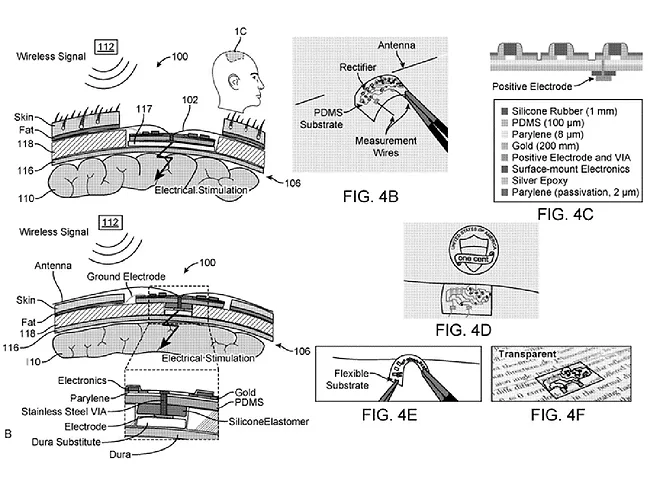
Researchers from Arizona State University and Mayo Clinic have filed for protection of wireless, battery-free brain implants which may be used in the monitoring, stimulation, and treatment of epilepsy, tumors, neurodegenerative disorders, neuroinflammatory conditions and trauma.
Sironax Ltd. has discovered (+) hydrolase SARM1 (SAMD2; MyD88-5) inhibitors reported to be useful for the treatment of amyotrophic lateral sclerosis, diabetic neuropathy, multiple sclerosis, Parkinson's disease, chemotherapy-induced peripheral neuropathy and traumatic brain injury.
Zhejiang University of Technology has reported preclinical safety data for the novel multitargeting compound XYY-CP1106, being developed for the treatment of Alzheimer’s disease (AD). XYY-CP1106 is a multitargeted anti-AD compound that has previously demonstrated strong monoamine oxidase B (MAO-B) inhibition (IC50=14.7 nM), high Fe3+ chelation (pFe3+=18.04), no in vitro cytotoxicity and protection against cellular oxidative damage.
 RSS
RSS