The U.S. FDA has cleared Centessa Pharmaceuticals plc’s IND to initiate a phase I first-in-human, clinical trial of ORX-750 for the treatment of narcolepsy.
The generation of pathogenic autoantibodies is a crucial event in the development of inflammation and complement activation, leading to immune cell responses.
Ipsen SA and Skyhawk Therapeutics Inc. have entered an exclusive worldwide collaboration to discover and develop small molecules that modulate RNA for rare neurological diseases. Skyhawk has a unique platform that accelerates building RNA-targeting small molecules across several therapeutic areas.
Vanishing white matter disease (VWM) is a rare and progressive leukoencephalopathy caused by loss-of-function mutations, in a recessive pattern of inheritance, in any of the genes encoding eIF2B, a guanine nucleotide exchange factor for eIF2 and an effector of the integrated stress response (ISR). At last week’s American Academy of Neurology meeting, Calico Life Sciences LLC and Abbvie Inc. presented preclinical results for their brain-penetrant compound ABBV-CLS-7262 (fosigotifator sodium tromethamine) in VWM.
Researchers from the U.K. reported seeking protection for a device and method that combines electromyography (EMG) and Raman spectroscopy to improve the diagnostic pathway for patients with neuromuscular disorders, and that may be used as a minimally invasive bedside test of muscle health.
South Korea’s SK Biopharmaceuticals Co. Ltd. and Shanghai-based Ignis Therapeutic Co. Ltd. signed a ₩804 billion (US$58 million) licensing deal on April 18, granting the latter global rights to a non-narcotic pain treatment candidate dubbed SKL-22544. A sodium channel blocker, SKL-22544 is in late discovery.
Cerevel Therapeutics Inc.’s positive results from the long-shot pivotal phase III Tempo-3 trial with tavapadon – the first D1/D5 receptor partial agonist being studied as a once-daily treatment for Parkinson’s disease – added gravy to the $8.7 billion takeover by Abbvie Inc., disclosed late last year. The buyout’s centerpiece was the late-stage asset emraclidine, a positive allosteric modulator of the muscarinic M4 receptor, touted as a potential best-in-class, next-generation antipsychotic for schizophrenia, which strikes more than 5 million people in the G7 (U.S., France, Germany, Italy, Spain, U.K. and Japan).
Wista Laboratories Ltd. has disclosed thiazole-containing compounds acting as microtubule-associated protein tau (PHF-tau; MAPT) aggregation inhibitors reported to be useful for the treatment of corticobasal syndrome, Alzheimer’s disease, Down syndrome and more.
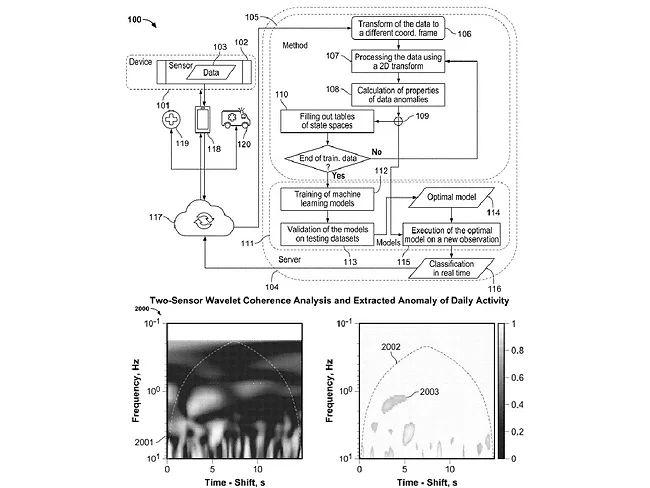
In what represents its first patenting, Alva Health Inc. has been granted protection for a method for detecting stroke from falls using a combination of wearable motion sensors and artificial intelligence.
“The development of psychedelic medicines should adhere to the current European regulatory framework, at both the pan-European and member state level. It is imperative that developers understand and thoroughly apply the regulatory guidance and requirements that are in place.” That was the somewhat discouraging opening statement at the stakeholder workshop convened by the EMA to discuss the development and therapeutic use of psychedelic substances to address unmet medical needs in the area of mental health.
 RSS
RSS