Jaguar Gene Therapy LLC’s IND application for JAG-201, a gene therapy for a genetic form of autism spectrum disorder (ASD) and Phelan-McDermid syndrome (PMS; 22q13.3 deletion syndrome), has been cleared by the FDA.
Vivet Therapeutics SAS has been awarded financing of €4.9 million (US$5.3 million) from the French government to advance the development of a gene therapy for the treatment of the neurodegenerative disease cerebrotendinous xanthomatosis (CTX).
Perioperative neurocognitive disorders (PNDs) refer to a variety of cognitive abnormalities mainly experienced by elderly patients after anesthesia procedures and include cognitive impairment and disorientation linked to oxidative stress and neuroinflammation. Insulin-like growth factor-1 (IGF-1), a neurotrophic hormone that regulates microglia-mediated neuroinflammation, may represent a therapeutic target in this context.
Halia Therapeutics Inc. has, its CEO confidently asserts, taken an atypical road to building its infrastructure and financing. The Lehi, Utah-based company just completed a $30 million series C financing to further develop its lead asset, a selective and orally bioavailable first-in-class NLRP3/NEK7 inflammasome inhibitor.
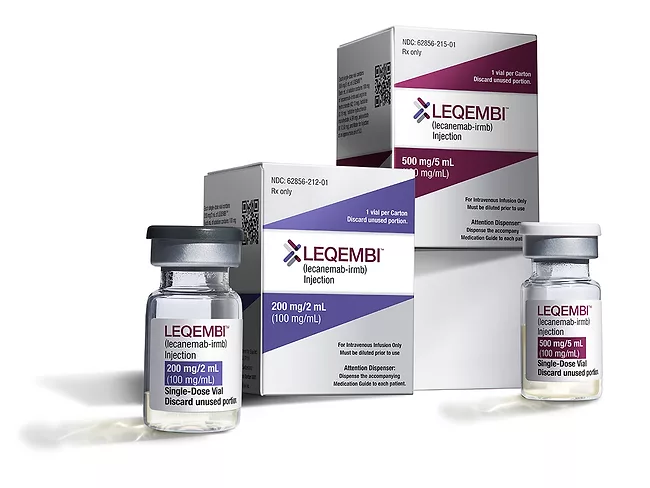
Biogen Inc.’s problematic trip with Aduhelm (aducanumab-avwa) for Alzheimer’s disease (AD) at last came to an end as the company, probably surprising few on Wall Street, said it’s quitting sales and development of the amyloid-beta directed antibody. The drug won accelerated approval by the U.S. FDA in July 2021. The phase III Envision study with Aduhelm will be stopped, and Cambridge, Mass.-based Biogen chalked a one-time charge of about $60 million related to close-out costs for the program in the fourth quarter of 2023. AD efforts have turned toward Leqembi (lecanemab-irmb), also an amyloid-beta directed antibody.
Vect-Horus SAS has entered into a license agreement providing Ionis Pharmaceuticals Inc. with a worldwide, exclusive license for a specified number of targets using Vect-Horus’ platform technology Vectrans for systemic delivery of RNA-targeted therapeutics that can cross the blood-brain barrier and address targets in the central nervous system.
Vaxxinity Inc. has announced a research collaboration with the University of Florida’s (UF) Center for Translational Research in Neurodegenerative Disease (CTRND) to support its work on the development of vaccines for neurodegenerative diseases.
Researchers from Institute of Materia Medica Chinese Academy of Medical Sciences & Peking Union Medical College have discovered novel selective Kv2.1 inhibitors as potential therapeutic candidates for the treatment of ischemic stroke.
Acurastem Inc. has raised nearly $7 million in grant funding from the National Institutes of Health (NIH) and the Department of Defense (DoD) to advance research in amyotrophic lateral sclerosis (ALS) and frontotemporal dementia.
Despite Vertex Pharmaceuticals Inc.’s mostly positive phase III study results of a non-opioid for treating moderate to severe acute pain, the data for a key secondary endpoint show VX-548 is not as effective as Vicodin (hydrocodone, Abbvie Inc.).
 RSS
RSS