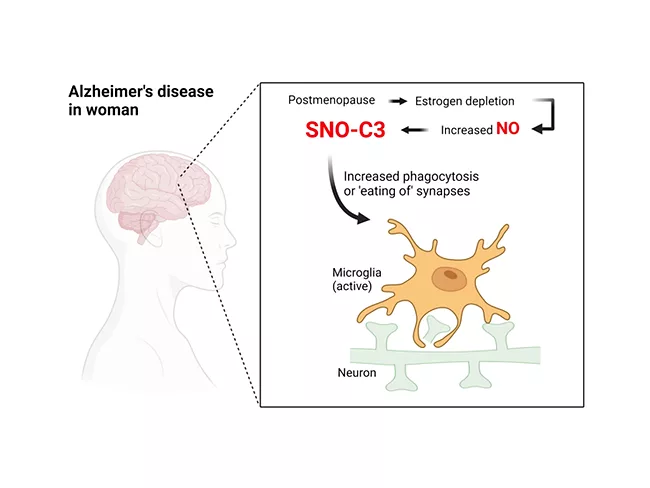
Alzheimer’s disease has a higher incidence in women. This sex difference was associated with a modification of certain proteins of the immune system. According to a recent study, the drop in estrogen with menopause increased the expression in the brain of a neurotransmitter, nitric oxide (NO), generating the S-nitrosylation of complement factor C3 (abbreviated SNO-C3), which activated the microglia.
Seelos Therapeutics Inc. has announced in vivo data demonstrating that a single dose of SLS-004 downregulated the production of α-synuclein in an established α-synuclein overexpressing animal model of Parkinson's disease.
Repeat expansions of two or more base pairs cause dozens of neurological disorders – Huntington’s disease, which is caused by an expansion of the triplet CAG in the coding sequence for huntingtin, is perhaps the most famous one. Now, investigators at Stanford University have shown that cancer genomes, too, frequently feature repeat expansions.
Investigators from Cerevance Inc. have reported the discovery and preclinical characterization of a novel tandem pore domain halothane-inhibited K+ channel 1 (THIK-1) inhibitor, C-101248, being developed for the treatment of neuroinflammation in Alzheimer’s disease (AD). NETSseq and histological analysis revealed that THIK-1 expression was up-regulated in microglia from different cortical regions of AD donors compared with aged matched nondemented control brains.
Tuberous sclerosis complex (TSC) is a multisystemic disorder caused by loss-of-function mutations in the TSC1 or TSC2 genes. Its clinical phenotype is heterogenous, but most patients with TSC have epilepsy.
Qrons Inc. has established a collaboration with scientists at a public research university in Israel, by which Tellurium-based compounds in combination with Qrons' QS-200 product candidate and other configurations will be explored as treatment for diffused axonal injuries (concussions), which accounts for approximately 89% of traumatic brain injuries (TBIs).
The HIV regulatory protein transactivator of transcription (Tat) is a viral protein believed to play a key role in the neurotoxicity and cognitive impairment seen in HIV-associated neurocognitive disorders. Tat allosterically modulates dopamine (DA) reuptake through the human DA transporter (hDAT). In the current study, researchers from University of South Carolina and affiliated organizations aimed to assess the effects of the novel allosteric modulator of DAT, SRI-32743, on the Tat-DAT interaction.
Abata Therapeutics Inc. has selected its first development candidate, ABA-101, an autologous regulatory T cell (Treg) therapy for the treatment of progressive multiple sclerosis (MS). ABA-101 targets MS patients with nonrelapsing progressive disease who have a DRB1*15:01 genetic haplotype and for whom imaging evidence of ongoing inflammatory tissue injury has been observed.

 RSS
RSS