Pepgen Inc. has announced new preclinical data supporting the progression into clinical trials of PGN-EDODM1, its product candidate in development for the treatment of myotonic dystrophy type 1 (DM1).
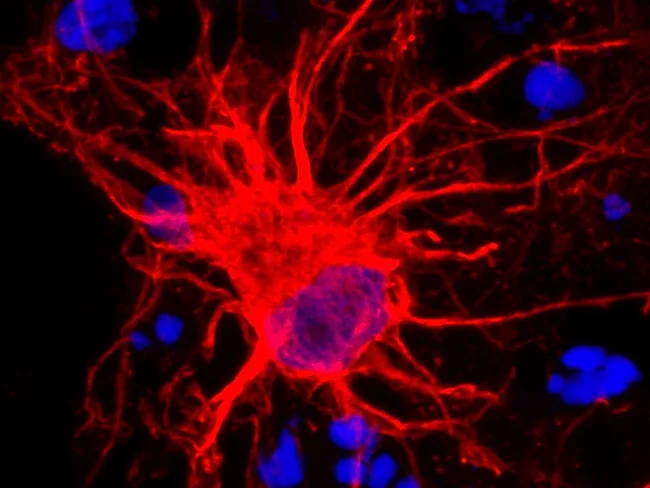
Major depressive disorder (MDD) was linked to impaired neural connectivity caused by astrocyte dysfunction, according to a study from the Southern Medical University in Guangzhou in collaboration with the University of Hong Kong.
Metrion Biosciences Ltd. and The KCNC1 Foundation have established a collaboration to progress a hit identification research project for small-molecule modulators of the potassium ion channel Kv3.1, targeting KCNC1-related disorders.
Investigators at Relmada Therapeutics Inc. believe the same problem that plagued an earlier phase III effort called Reliance-3 – an “implausibly” high placebo response at certain sites – also foiled the latest phase III study (conducted at overlapping sites) known as Reliance-1, testing REL-1017 (esmethadone), meant as an adjunctive treatment for major depressive disorder.
A research team based at the University of California, San Diego presented data from a study that evaluated the novel cyclophilin D (CypD) inhibitor CC-2055 in preclinical models of epilepsy.
Researchers have identified a link between amyloid plaques and dysfunctional neuronal conduction in animal models of Alzheimer’s disease (AD). Their study, which was published in the Dec. 1, 2022, issue of Nature, suggests new ways to think about AD, as well as badly needed potential alternatives to plaque removal to fight the disease.
Eisai Co. Ltd. and Biogen Inc. presented the full data set for the Clarity Alzheimer’s disease trial of lecanemab at the 2022 Clinical Trials on Alzheimer’s Disease, which was simultaneously published in the New England Journal of Medicine. The data supported the top-line results released in September 2022.
Following the tone set in an October U.S. FDA Oncologic Drugs Advisory Committee meeting, the agency has issued a complete response letter (CRL) to Y-mabs Therapeutics Inc.’s BLA for Omblastys (131I-omburtamab) to treat central nervous system/leptomeningeal metastasis arising from neuroblastoma.
Axon loss is an initiating event common to several neurodegenerative disorders. In healthy axons, SARM1 (sterile α and Toll/IL-1 receptor motif-containing 1) activity, crucial for programmed axon degeneration, is restrained by the NAD+ biosynthetic enzyme NMNAT2.
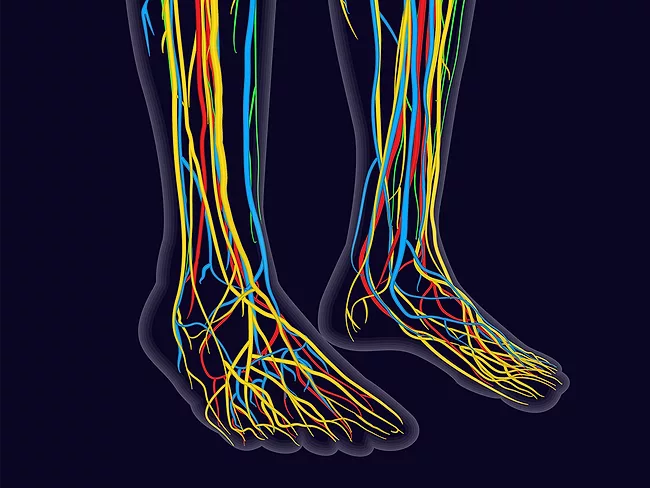
Charcot-Marie-Tooth disease 2A (CMT2A) is a common hereditary motor and sensory neuropathy of the peripheral nervous system caused by mutations in the mitofusin 2 gene (MFN2). CMT2A is characterized by progressive axonal degeneration without myelin involvement, predominantly affecting the distal limbs, but the mechanisms underlying the axonal pathology remain unclear.
 RSS
RSS