Jiangsu Nhwa Pharmaceutical Co. Ltd. has patented substituted imidazole derivatives acting as α2-adrenoceptor agonists with sedative and/or analgesic and/or anesthetic and/or anxiolytic activity. As such, they are reported to be potentially useful for the treatment of pain, insomnia and psychiatric disorders.
Having 35 copies of the CAG triplet in the gene that causes Huntington’s disease is not a problem. Inheriting 40 could be a sign that goes unnoticed for decades, until reaching 80. From there, the process accelerates and neural death occurs when reaching 150 repeats. Huntington’s disease neurodegeneration is not determined by what, but by how much, according to a study conducted at the Broad Institute.
A Vanderbilt University patent discloses new muscarinic M4 receptor positive allosteric modulators and agonists reported to be useful for the treatment of Alzheimer’s disease, pain, schizophrenia, sleep disorders and cognitive disorder.
Among the companies to provide updates at the J.P. Morgan Healthcare Conference in San Francisco was Vigil Neuroscience Inc., which has intrigued Wall Street more since the deal signed in December by Muna Therapeutics ApS, of Copenhagen, Denmark, with London-based GSK plc.
T-cell leukemia homeobox protein 3 (TLX3) is a key regulator of fate specification of excitatory neurons and found expressed in proliferating granule neuron progenitors (GNPs) of the cerebellum, but its main role is not well known.
Pheno Therapeutics Ltd. has received clinical trial authorization (CTA) from the UK’s Medicines and Healthcare products Regulatory Agency (MHRA) for its lead candidate, PTD-802. The program will progress to a first-in-human phase I trial.
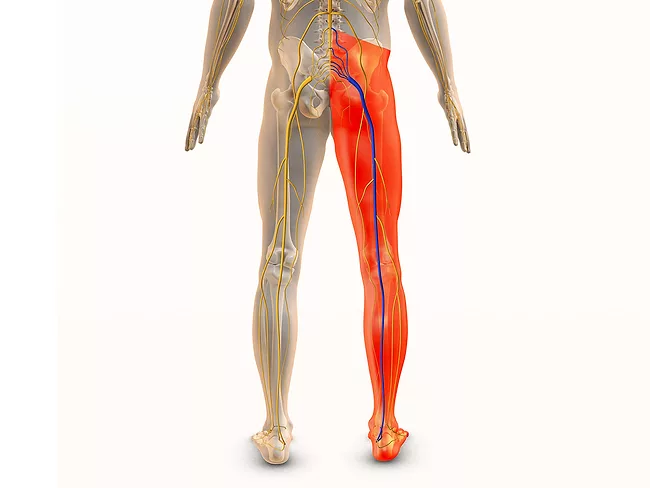
Data from two out of three positive studies faced the U.S. FDA’s Anesthetic and Analgesic Drug Products Advisory Committee as members examined the package submitted by Seikagaku Corp., of Tokyo, for SI-6603 (condoliase), a chemonucleolytic drug for radicular leg pain associated with lumbar disc hernia.
Roche AG’s disclosure in December that prasinezumab, partnered with Prothena plc, fell short of its primary phase IIb endpoint put the spotlight on microtubule binding region (MTBR)-targeting therapies in neurological disorders.
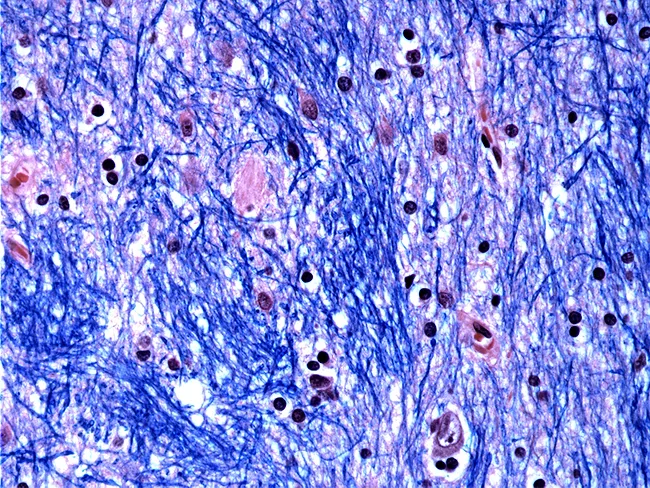
2024 saw the completion of several cellular-resolution brain maps, including the entire fly brain and a comprehensive connections map of a cubic centimeter of human brain. 2025 began with the addition of another important map. In the Jan. 1, 2025, issue of Nature, researchers from the Allen Institute presented a map of areas and cell types where aging most affected the mouse brain.

 RSS
RSS