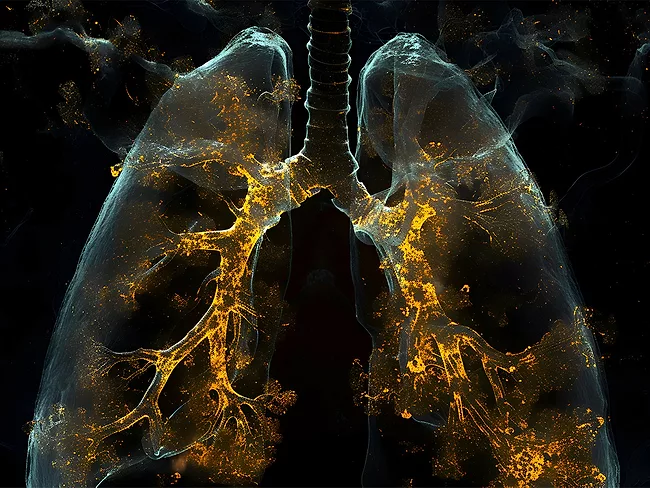
Idiopathic pulmonary fibrosis (IPF), a chronic, progressive disease of unknown etiology, is the most common and fatal interstitial lung disease. Currently available treatments for IPF, such as pirfenidone and nintedanib, can slow disease progression and reduce mortality in patients who can tolerate them. However, these drugs frequently cause significant side effects and have been unable to improve quality of life in pivotal trials, which highlights the critical need for discovering novel IPF treatment strategies.
After raising HK$1.255 billion (US$160 million) in its IPO on the Hong Kong Stock Exchange earlier this month, Longbio Pharma Co. Ltd.’s lead candidate, LP-003, met the primary endpoint of total nasal symptom scores during peak pollen season in moderate to severe seasonal allergic rhinitis.
After raising HK$1.255 billion (US$160 million) in its IPO on the Hong Kong Stock Exchange earlier this month, Longbio Pharma Co. Ltd.’s lead candidate, LP-003, met the primary endpoint of total nasal symptom scores during peak pollen season in moderate to severe seasonal allergic rhinitis.
The microbiome and a frontline innate antimicrobial sensor, Toll-like receptor 5 (TLR5), play an essential role in the development of idiopathic pulmonary fibrosis (IPF). A scientific collaboration led by researchers at the National Institute of Environmental Health Sciences has revealed how TLR5 protects against fibrosis through its ability to modulate the lung microbiome. Their study also shows that activating TLR5 protects against fibrosis and corrects pulmonary dysbiosis.
Chinese biotech Longbio Pharma Co. Ltd. announced its IPO on the Hong Kong Stock Exchange to raise HK$1.362 billion (US$174 million) to progress its lead candidate, LP-003, a next-generation anti-IgE antibody.
Multiple updates on TROP2-directed antibody-drug conjugates (ADCs) for lung and breast cancers highlight both progress made and opportunities for improvement for the targeted class of cancer therapeutics.
Chinese biotech Longbio Pharma Co. Ltd. announced its IPO on the Hong Kong Stock Exchange to raise HK$1.362 billion (US$174 million) to progress its lead candidate, LP-003, a next-generation anti-IgE antibody.
Multiple updates on TROP2-directed antibody-drug conjugates (ADCs) for lung and breast cancers highlight both progress made and opportunities for improvement for the targeted class of cancer therapeutics.
Recent findings are reshaping current understanding of the post-infection landscape of SARS-CoV-2. Although previous studies had already suggested that autoimmunity might underlie the persistent neurological symptoms seen in long COVID, researchers at Yale University and Mount Sinai now reinforce this hypothesis. SARS-CoV-2 infection appears to trigger an autoimmune mechanism that drives chronic pain, fatigue and cognitive impairment in some patients.
Oorja Bio Inc., named after the phonetic spelling of “energy” in Sanskrit, secured $30 million from founding investor Westlake Biopartners in a series A financing round to advance its in-licensing approach to develop drugs for idiopathic pulmonary fibrosis (IPF) and other fibrotic and cardiopulmonary diseases.
 RSS
RSS